Search
for
Sort by
Research
510-540 / 1000+ resultsresearch Collagen/Chitosan Gels Cross-Linked with Genipin for Wound Healing in Mice with Induced Diabetes
The gels improved wound healing in diabetic mice but need human trials.
research Double Network Physical Crosslinked Hydrogel for Healing Skin Wounds: New Formulation Based on Polysaccharides and Zn2+
The new hydrogel with zinc and polysaccharides improves wound healing and has antibacterial properties.
research Transglutaminase-mediated cross-linking in mammalian epidermis
research Glycoconjugate expression of cells of human anagen hair follicles during keratinization
Human anagen hair follicles have unique carbohydrate patterns during keratinization.
research Facile strategy for gelatin-based hydrogel with multifunctionalities to remodel wound microenvironment and accelerate healing of acute and diabetic wounds
The gelatin-based hydrogel helps heal acute and diabetic wounds faster by improving healing conditions.

research Self-healing and shape-adaptive nanocomposite hydrogels with anti-inflammatory, antioxidant, antibacterial activities and hemostasis for real-time visual regeneration of diabetic wounds
The nanocomposite hydrogels can repair themselves, change shape, reduce inflammation, protect against oxidation, kill bacteria, stop bleeding, and help heal diabetic wounds while allowing for wound monitoring.
research Hydrogel crosslinking modulates macrophages, fibroblasts, and their communication, during wound healing
Softer hydrogels help wounds heal better with less scarring.
research A GelMA hydrogel co-loaded with resveratrol, 18-β-glycyrrhetinic acid, and berberine for the combination therapy of infected wounds
The hydrogel dressing with combined ingredients greatly improves wound healing and skin regeneration.
research Green Regenerative Hydrogel Wound Dressing Functionalized by Natural Drug‐Food Homologous Small Molecule Self‐Assembled Nanospheres
The new hydrogel dressing with natural molecules helps heal wounds faster and improves skin repair.
research Engineering a skin-mimicking asymmetric poly(L-lactic acid/gelatin bioscaffold for skin repair
The engineered scaffold shows promise for effective skin repair.
research The Effect of Chitosan/Alginate/Graphene Oxide Nanocomposites on Proliferation of Mouse Spermatogonial Stem Cells
The ALGCS/GO30 scaffold effectively boosts mouse spermatogonial stem cell growth.
research Zinc‐Coordinated Trienzyme Nanogel Cascade Therapy for Accelerated Post‐Pancreatectomy Cutaneous Wound Healing
The zinc-coordinated nanogel therapy speeds up wound healing after pancreas surgery by balancing metabolism and fighting bacteria.
research Ultrasound-activated piezoelectric hydrogel scaffold for synergistic immunomodulation and angiogenesis in accelerated wound healing
The new hydrogel speeds up wound healing by reducing inflammation and promoting tissue growth.
research Hyaluronic acid (HA)-based hydrogels for full-thickness wound repairing and skin regeneration
Hyaluronic acid-based HA2 hydrogel helps heal skin wounds better with less scarring.
research Mechanoregulative hydrogel enables scar-reduced and functional healing of infected diabetic mobile wounds
The hydrogel helps diabetic wounds heal better with less scarring.
research A Facile and Biocompatible Hydrogel Based on Oxidized Brachybotrys paridiformis Polysaccharide for Enhanced Wound Healing
The hydrogel significantly speeds up wound healing and improves skin recovery.
research Epidermal and hair follicle trans glutaminases and crosslinking in skin
research Rapid angiogenic hydrogel nanofiber scaffold promotes random flap regeneration and modulates inflammation
The hydrogel scaffold improved skin flap healing and reduced inflammation.
research Effect of injectable calcium alginate-amelogenin hydrogel on macrophage polarization and promotion of jaw bone osteogenesis
The hydrogel helps bone growth and healing in jaw and facial defects.
research Enhanced cutaneous wound healing by functional injectable thermo-sensitive chitosan-based hydrogel encapsulated human umbilical cord-mesenchymal stem cells
A new hydrogel with stem cells from human umbilical cords improves skin wound healing and reduces inflammation.
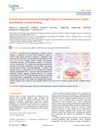
research Protein-based functional hydrogel improves cutaneous nerve repair and diabetic wound healing
A protein-based hydrogel helps heal diabetic wounds and repair nerves.
research Melanocytes from the outer root sheath of human hair and epidermal melanocytes display improved melanotic features in the niche provided by cGEL, oligomer-cross-linked gelatin-based hydrogel
cGEL hydrogel improves melanin production in skin cells, making it a promising option for skin treatments.
research Multifunctional and immunoregulatory microenvironment-responsive hydrogel for whole course management of infected diabetic wounds
The ATAN-Met hydrogel helps heal infected diabetic wounds by promoting tissue regeneration and fighting bacteria.
research Fabrication of Bilayer Nanofibrous-Hydrogel Scaffold from Bacterial Cellulose, PVA, and Gelatin as Advanced Dressing for Wound Healing and Soft Tissue Engineering
The scaffold is a promising material for wound healing and tissue engineering.
research N,N-Dimethylglycine Sodium Salt Exerts Marked Anti-Inflammatory Effects in Various Dermatitis Models and Activates Human Epidermal Keratinocytes by Increasing Proliferation, Migration, and Growth Factor Release
N,N-Dimethylglycine Sodium Salt helps reduce skin inflammation and improves skin cell growth and healing.
research The effects of sodium metasilicate on the spinal motoneuron recovery following sciatic nerve injury
Sodium metasilicate improved spinal motoneuron recovery after sciatic nerve injury in rats.
research Activation of Astrocytes <i>in Vitro</i> by Macrophages Polarized with Keratin Biomaterial Treatment
Keratin treatment reduces astrocyte reactivity and inflammation.
research Alignment control and softness creation in hair with glycylglycine.
Glycylglycine makes hair softer by improving alignment and changing hair's internal properties.

research Helminth TGF-β mimic, TGM, increases leukocyte migration and activation while also enhancing cutaneous wound healing and tissue regeneration.
A parasite molecule can speed up skin healing and reduce scarring.