Polyglutamic acid is a valuable, sustainable ingredient for skincare and haircare products.
 28 citations
,
November 2013 in “The journal of investigative dermatology/Journal of investigative dermatology”
28 citations
,
November 2013 in “The journal of investigative dermatology/Journal of investigative dermatology” GMG-43AC may help reduce unwanted hair growth and treat certain hair loss conditions.
4 citations
,
August 2023 in “Journal of Cosmetic Dermatology” Gynostemma pentaphyllum extract may help grow hair and prevent graying.
 June 2026 in “Frontiers in Oncology”
 GSDMA deficiency slows skin cancer growth.
 105 citations
,
February 1996 in “Journal of biological chemistry/The Journal of biological chemistry”
105 citations
,
February 1996 in “Journal of biological chemistry/The Journal of biological chemistry” The TGM3 gene's promoter region is key for skin and hair cell function and may aid gene therapy.
10 citations
,
March 2010 Green technologies can make the pharmaceutical industry more sustainable by reducing waste.
 3 citations
,
January 2005 in “Biological & Pharmaceutical Bulletin”
3 citations
,
January 2005 in “Biological & Pharmaceutical Bulletin” The peptide GPIGS helps hair cells grow and speeds up hair regrowth in mice.
GPC1 is important for hair growth by helping blood vessels form around hair follicles.
Researchers created a new mouse model, G4, that mimics human PCOS symptoms and links the condition to a specific gene.
12 citations
,
June 2025 in “Gut Microbes” BroadAMP-GPT effectively creates antimicrobial peptides to fight drug-resistant bacteria.
44 citations
,
January 1984 in “Molecular and Cellular Biochemistry” 1 citations
,
October 2025 in “International Journal of Molecular Sciences” Mutating the gmds gene in zebrafish increases hair cell numbers and regeneration.
 19 citations
,
November 1971 in “Clinica Chimica Acta”
19 citations
,
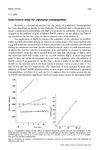
November 1971 in “Clinica Chimica Acta” The document concludes that measuring γ-glutamyl transpeptidase activity is more accurate with a higher substrate concentration and using diluted acetic acid to stop the reaction.
 7 citations
,
July 2019 in “International Journal of Molecular Sciences”
7 citations
,
July 2019 in “International Journal of Molecular Sciences” PGA-4HGF may help treat hair loss by activating hair growth pathways and extending the hair growth phase.
January 2025 in “Catalysts” High-temperature gelatinization of ginkgo seeds effectively increases β-cyclodextrin production.
October 2019 in “DOAJ (DOAJ: Directory of Open Access Journals)” The nanoparticles effectively deliver herbal extract to enhance hair growth.
 12 citations
,
April 2019 in “Scientific Reports”
12 citations
,
April 2019 in “Scientific Reports” A protein called HMGB1 helps hair grow by affecting prostaglandin metabolism.
 April 2019 in “Journal of Investigative Dermatology”
 Eating grape powder may reduce the severity of skin allergy symptoms.
7 citations
,
April 2019 in “Animal biotechnology” The POMP gene is active in various goat tissues and affects hair growth, with certain treatments influencing its expression.
3 citations
,
July 2023 in “Cells” MG53 helps reduce skin damage caused by nitrogen mustard.
 May 2022 in “Journal of Immunology”
 A parasite molecule can speed up skin healing and reduce scarring.
 1 citations
,
April 2023 in “Biomaterials advances”
1 citations
,
April 2023 in “Biomaterials advances” Gellan gum hydrogels help recreate the environment needed for hair growth cell function.
7 citations
,
July 2016 in “Journal of Biomedical Materials Research Part A” cGEL hydrogel improves melanin production in skin cells, making it a promising option for skin treatments.
4 citations
,
February 2025 in “Nutrients” Gynostemma pentaphyllum extract improves hair elasticity, density, and thickness safely.
 May 2017 in “bioRxiv (Cold Spring Harbor Laboratory)”
 The peach gene pCTG134 helps control the interaction between auxin and ethylene hormones during fruit ripening.
 7 citations
,
June 2011 in “Movement Disorders”
7 citations
,
June 2011 in “Movement Disorders” A specific gene mutation is linked to a hereditary form of dystonia that responds well to certain medications.
 39 citations
,
January 2019 in “Cells”
39 citations
,
January 2019 in “Cells” Gene therapy has potential as a future treatment for Hutchinson-Gilford progeria syndrome.
3 citations
,
July 2025 in “Gels” Engineered protein hydrogels improve medical treatments by mimicking natural body structures.
9 citations
,
October 2017 in “Frontiers in plant science” The peach gene CTG134 helps control the interaction between auxin and ethylene, which could lead to new agricultural chemicals.
 April 2016 in “Journal of Investigative Dermatology”
 Gypenosides from Gynostemma pentaphyllum were found to have anti-aging effects, increasing skin collagen and reducing wrinkles.