 September 2017 in “Journal of Investigative Dermatology”
 HIF-1A may aid hair growth, Backhousia citriodora improves skin, autologous cells stabilize hair loss, infrared thermography assesses alopecia, and a new treatment preserves hair.

Younger goats produce more cashmere and have healthier hair follicles due to better antioxidant capacity.
November 2009 in “Universiti Putra Malaysia Institutional Repository (Universiti Putra Malaysia)” The composition helps hair growth and prevents baldness.
 1 citations
,
September 2017 in “Journal of Investigative Dermatology”
1 citations
,
September 2017 in “Journal of Investigative Dermatology” Hair care products reduced hair roughness, a combination of Stemoxydine and Resveratrol increased hair density, fermented mackerel oil promoted hair growth, and genes TERT and Bmi-1 helped create new hair follicles.
 3 citations
,
February 2023 in “ACS omega”
3 citations
,
February 2023 in “ACS omega” Grape seed oil improved hair quality the most, followed by rosehip and safflower seed oils, and reduced damage from shampoo.
 August 2025 in “Journal of Applied Pharmaceutical Research”
 F4 and F6 hair gels showed promise for improving hair care but need more testing.
7 citations
,
April 1996 in “British Journal of Dermatology” Hair structural proteins are synthesized sequentially in specific cells, offering a new way to study hair proteins and defects.
9 citations
,
January 1975 in “The Histochemical Journal” Dog hair follicles contain important molecules that may affect hair growth.
2 citations
,
December 2017 in “Korean Journal of Medicinal Crop Science” Houttuynia cordata extract promotes hair growth and could be useful in hair care products.
February 1989 in “PubMed” A genetic hair protein variant is more common in Japanese people and is inherited.
 79 citations
,
March 1999 in “The journal of investigative dermatology/Journal of investigative dermatology”
79 citations
,
March 1999 in “The journal of investigative dermatology/Journal of investigative dermatology” Procyanidin compounds from grape seeds were found to significantly increase mouse hair growth.
June 1996 in “Journal of Dermatological Science”  1 citations
,
February 2022 in “Scholars international journal of traditional and complementary medicine”
1 citations
,
February 2022 in “Scholars international journal of traditional and complementary medicine” The herbal hair gel is effective, eco-friendly, and non-irritating with antifungal properties.
 12 citations
,
February 1998 in “Gene”
12 citations
,
February 1998 in “Gene” The B2 genes are crucial for hair growth in rats.
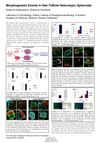
Researchers developed a method to create artificial hair follicles that may help with hair loss treatment and research.
Curly wool has more orthocortex than straight wool.
25 citations
,
May 2006 in “Annals of Botany” Root hair growth in wheat needs a specific G-actin gradient and high Ca2+ concentration at the tips.
 4 citations
,
November 2022 in “Journal of biomedical materials research. Part B, Applied biomaterials”
4 citations
,
November 2022 in “Journal of biomedical materials research. Part B, Applied biomaterials” Human hair proteins, especially keratins, can protect cells from oxidative stress in lab settings.
 January 2026 in “Saudi Journal of Medical and Pharmaceutical Sciences”
 Gel D shows promise as a natural hair care solution for traction alopecia.
 13 citations
,
December 2011 in “Korean Journal of Food Science and Technology”
13 citations
,
December 2011 in “Korean Journal of Food Science and Technology” Black soybean extract helps promote hair growth and could prevent hair loss.
 3 citations
,
January 2016 in “International Journal of Trichology”
3 citations
,
January 2016 in “International Journal of Trichology” Sheep-derived factors improve human hair cell clustering, which may help hair growth.
 11 citations
,
February 2002 in “International Journal of Cosmetic Science”
11 citations
,
February 2002 in “International Journal of Cosmetic Science” Recent findings show that hair growth and color are controlled by a complex network of signals in the hair follicle.
January 2013 in “Wageningen Academic Publishers eBooks” Proteomics helps understand protein changes in wool fiber development.
January 2026 in “Biochemical Pharmacology” 
Germinated hemp seed extracts help prevent hair loss and promote hair growth.
 10 citations
,
January 2002 in “Nihon Keshouhin Gijutsushakaishi/Journal of S C C./Nihon Keshouhin Gijutsushakai kaishi”
10 citations
,
January 2002 in “Nihon Keshouhin Gijutsushakaishi/Journal of S C C./Nihon Keshouhin Gijutsushakai kaishi” The cuticle significantly contributes to hair stiffness, making up about 60% of the total bending stress.
20 citations
,
February 1994 in “In vitro cellular & developmental biology. Animal” Wool follicles can grow in a lab with the right nutrients and conditions.
March 2014 in “CRC Press eBooks” Human head hair can grow very long and is thicker than most body hair.
4 citations
,
June 1990 in “PubMed” Hair protein differences help identify species and individuals in forensic science.
 January 2025 in “bioRxiv (Cold Spring Harbor Laboratory)”
 Rhamnose may help hair growth and pigmentation, making it a potential treatment for hair loss.