December 2019 in “Thèses en ligne de l'Université Toulouse III (Université Toulouse III)” EGM2 and SOX2 help form beige adipocytes by maintaining ASC immaturity and activating brown adipocytes.
March 2026 in “Bioengineering & Translational Medicine” PEGylated thymosin β4 shows promise for treating heart attacks effectively.
52 citations
,
September 2012 in “Oncogene” 1 citations
,
October 2021 in “The journal of investigative dermatology/Journal of investigative dermatology” Removing HIF-P4H-2 from certain skin cells in mice causes hair loss on the body but not the head.
36 citations
,
November 2005 in “Forensic Science International” BioPlex-11 improves DNA profiling from telogen hair roots in forensic work.
372 citations
,
December 2004 in “Nature Genetics” 1 citations
,
January 2019 in “PubMed” cgVEGF164 boosts hair follicle growth in mice.
 April 2023 in “Journal of Investigative Dermatology”
 Changing YBX1 protein activity affects skin stem cell function and aging.
SMAD4 is crucial for muscle repair in young adults but not in aged mice.
 1 citations
,
December 2020 in “bioRxiv (Cold Spring Harbor Laboratory)”
1 citations
,
December 2020 in “bioRxiv (Cold Spring Harbor Laboratory)” Sox9 levels in brain stem cells affect whether they stay as stem cells or become neurons.
14 citations
,
April 2013 in “Journal of dermatological science” Hairless protein reduces Msx2 gene activity, affecting hair follicle development.
1 citations
,
January 2015 in “China Animal Husbandry & Veterinary Medicine” Four keratin genes are crucial for hair growth in Xinji fine wool sheep.
 7 citations
,
June 2015 in “The anatomical record”
7 citations
,
June 2015 in “The anatomical record” Hexi cashmere goats' hair growth varies by stage, with Hoxc13 linked to hair activity.
 August 2015 in “MOJ proteomics & bioinformatics”
 ePUKs could be valuable for regenerative medicine due to their wound healing abilities.
 March 2024 in “bioRxiv (Cold Spring Harbor Laboratory)”
 Minoxidil treatment improves heart defects in a DiGeorge syndrome model.
19 citations
,
November 2012 in “Cell Communication and Signaling” FGF-9 speeds up the early development of certain organs, showing potential for organ regeneration.
July 2023 in “Clinical Cosmetic and Investigational Dermatology” Accurate diagnosis of granular parakeratosis is crucial for effective treatment and improvement.
7 citations
,
November 1997 in “Reproduction Fertility and Development” Epidermal growth factor disrupts hair and gland formation in bandicoots.
 1 citations
,
January 2023 in “Journal of Drugs in Dermatology”
1 citations
,
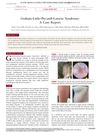
January 2023 in “Journal of Drugs in Dermatology” Early detection of Graham-Little-Piccardi-Lasseur syndrome is key for better management.
9 citations
,
August 2022 in “Frontiers in Pharmacology” Kangfuxin (KFX) extract speeds up wound healing and improves skin regeneration.
 July 2023 in “British journal of dermatology/British journal of dermatology, Supplement”
 HPV8 E6 gene causes growth of certain skin stem cells.
 June 2026 in “Institutional Repositories DataBase (IRDB)”
 Crickets have genetically controlled hair plates that help them sense and move their antennae.
24 citations
,
November 1997 in “Journal of Biological Chemistry” Mouse high-glycine/tyrosine proteins have distinct patterns in hair follicles, peaking at specific hair cycle days.
1 citations
,
November 2023 in “International Journal of Molecular Sciences” SOX18 helps sheep hair cells grow by activating a specific cell growth pathway.
1 citations
,
March 2022 in “Journal of biological chemistry/The Journal of biological chemistry” Removing a specific gene in certain skin cells causes hair loss in mice by disrupting hair follicle development.
32 citations
,
August 2020 in “American Journal Of Pathology” S100A4 promotes aggressive ovarian cancer and is a potential treatment target.
 November 2022 in “Journal of Investigative Dermatology”
 Neutrophils quickly respond to skin injury.
 March 2026 in “bioRxiv (Cold Spring Harbor Laboratory)”
 The Enriched-GF method efficiently produces high-yield growth factors for tissue repair.
June 2026 in “British Journal of Dermatology” A rare genetic mutation in the EGFR gene caused severe skin issues and other health problems in a Slovakian girl, who is now 4 years old and receiving care.