 18 citations
,
December 2021 in “Foods”
18 citations
,
December 2021 in “Foods” Seaweeds contain beneficial compounds with potential uses in food, cosmetics, and health, but more research is needed to improve extraction and safety.

Cold-pressed rapeseed oil is most resistant to oxidation and certain oils may reduce chronic disease risk; consumers like the taste of pumpkin oil best.

Nanocarriers with plant extracts show promise for safe and effective hair growth treatment.
 November 2024 in “Journal of Natural Remedies”
 Herbal ingredients can effectively promote hair growth and improve hair health.
 11 citations
,
January 2024 in “Indian Journal of Pharmaceutical Sciences”
11 citations
,
January 2024 in “Indian Journal of Pharmaceutical Sciences” Phytosomes improve the body's absorption of plant extracts for better health benefits.
 15 citations
,
January 2022 in “Journal of Oleo Science”
15 citations
,
January 2022 in “Journal of Oleo Science” Phytosomal nanocarriers can significantly increase the bioavailability of Cuscuta reflexa extract.
19 citations
,
March 2023 in “Resources” Solid-state fermentation is an eco-friendly way to extract valuable compounds from agro-wastes for use in various industries.
 15 citations
,
September 2018 in “Indian Research Journal of Pharmacy and Science”
15 citations
,
September 2018 in “Indian Research Journal of Pharmacy and Science” Aromatherapy uses essential oils to improve mood and well-being.
 1 citations
,
September 2023 in “Molecules (Basel. Online)”
1 citations
,
September 2023 in “Molecules (Basel. Online)” Plant sterols have health benefits like lowering cholesterol, but more research is needed to understand their effects and improve their extraction and sustainability.
 6 citations
,
October 2017
6 citations
,
October 2017 Indian Gooseberry has potential for cancer prevention and treatment and promotes hair growth.

Vinegar-processed black soybean helps hair growth and prevents hair loss.
July 2025 in “Derecho y cambio social.” Policosanol biorefining shows promise for heart health, needing better academic-industrial collaboration.
September 2025 in “Molecules” Camellia oleifera leaves have compounds beneficial for cosmetics and medicine.
 November 2022 in “Cosmetics”
 Red pigmented rice, like Sang-Yod rice, could help promote hair growth and prevent hair loss.
February 2026 in “Molecular and Cellular Probes” Stem cell and plant exosomes may help heal and regenerate skin.
 August 2023 in “Journal of Cosmetic Dermatology”
 Some plants like spinach, broccoli, and matcha may boost the effectiveness of the hair growth drug minoxidil.
48 citations
,
April 2023 in “Aging Cell” Targeting cellular senescence may improve skin aging and disorders.
25 citations
,
March 2024 in “Sustainability” Using food industry waste and fermentation can create sustainable cosmetics.
9 citations
,
June 2022 in “Microorganisms” We need safe, affordable drugs to fight coronaviruses effectively.
2 citations
,
November 2025 in “Comprehensive Reviews in Food Science and Food Safety” Combining advanced sensors with portable devices could enhance on-site food safety monitoring.
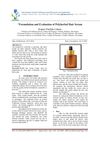 June 2024 in “International Journal of Pharmaceutical Research and Applications”
 Polyherbal hair serum can hydrate the scalp and promote hair growth safely.
 67 citations
,
January 2007 in “Environmental health perspectives”
67 citations
,
January 2007 in “Environmental health perspectives” A woman's health issues were caused by arsenic poisoning from kelp supplements.
 10 citations
,
November 2014 in “Journal of Dermatological Treatment”
10 citations
,
November 2014 in “Journal of Dermatological Treatment” Polyphenols may help treat skin conditions like warts, hair loss, acne, and dark spots, but more research is needed.
 14 citations
,
October 2020 in “Natural Products and Bioprospecting”
14 citations
,
October 2020 in “Natural Products and Bioprospecting” Various treatments, including FDA-approved drugs, natural products, and oral supplements, can help with hair loss, but a patient's medical history and potential allergies should be considered when choosing a treatment.
 2 citations
,
July 2020 in “Journal of Applied Pharmaceutical Science”
2 citations
,
July 2020 in “Journal of Applied Pharmaceutical Science” Natural ingredients can improve skin and hair, but more research is needed.
 January 2015 in “Springer eBooks”
 Some alternative treatments may help with hair loss, but more evidence is needed to confirm their effectiveness.
 December 2025 in “International Journal of Ayurvedic Medicine”
 Fenugreek seeds help with diabetes and cholesterol, while leaves fight microbes and dandruff.
 170 citations
,
September 2019 in “Evidence-based Complementary and Alternative Medicine”
170 citations
,
September 2019 in “Evidence-based Complementary and Alternative Medicine” Some medicinal plants can help heal wounds and may lead to new treatments.
 73 citations
,
July 2016 in “Cosmetics”
73 citations
,
July 2016 in “Cosmetics” Mushrooms have beneficial properties for skin and hair care products and have great potential for future cosmetic use.
 14 citations
,
December 2013 in “Molecules”
14 citations
,
December 2013 in “Molecules” Two compounds from Asiasarum heterotropoides roots show potential as lung cancer treatments without harming normal cells.