 January 2025 in “Cellular and Molecular Life Sciences”
 BMP4 helps stem cells turn into pigment-producing cells, affecting hair color and growth.
January 2025 in “Pharmaceuticals” Peptide-based hydrogels are promising for healing chronic wounds effectively.
 November 2024 in “International Journal of Research in Medical Sciences”
 Hypoalbuminemia can cause pleural effusion and needs careful treatment.
August 2024 in “Journal of Clinical Medicine” PRP shows promise but lacks consistent evidence and regulation.
April 2024 in “Journal of clinical medicine” Effective treatment guidelines for frontal fibrosing alopecia are still unclear.
January 2024 in “Medicina” Statins may help treat PCOS by lowering androgen levels and improving cholesterol.
January 2024 in “Biomedicines” The review shows that skin symptoms like chronic fungal infections, hair loss, and skin depigmentation are key for early detection and management of APECED.
 November 2023 in “Journal of Dermatological Science”
 Cells that move well may improve hair loss treatments by entering hair follicles.

Peptide hydrogels show promise for healing skin, bone, and nerves but need improvement in stability and compatibility.
 May 2023 in “International Journal of Molecular Sciences”
 Mesenchymal stem cells could help treat radiation-induced bladder damage but more research is needed to overcome current limitations.
January 2023 in “Archives of Internal Medicine Research” Covid-19 worsens existing health issues and long-term effects are predictable.
ISX9 helps regrow hair by activating a specific cell signaling pathway.
 February 2022 in “Research Square (Research Square)”
 LGR5 is a marker found in hair follicle stem cells in various species and is important for hair growth and skin repair.
28 citations
,
March 2020 in “Journal of ethnopharmacology” Ginsenoside Rb1 slows down aging in mice by affecting cell growth, cell death, and metabolism.
35 citations
,
February 2023 in “Biomolecules” Granzyme B is important in autoimmune skin diseases and could be a new treatment target.
 835 citations
,
October 2008 in “Nature Genetics”
835 citations
,
October 2008 in “Nature Genetics” Lgr5 is a marker for active, long-lasting stem cells in mouse hair follicles.
14 citations
,
July 2021 in “Bioscience Reports” Activating Tgr5 may help treat hair loss and bone loss.
 April 2016 in “Journal of Investigative Dermatology”
 The Engrailed-1 gene plays a key role in the development of sweat glands in mice.
 September 2021 in “Research Square (Research Square)”
 Not having enough or having too much of the protein Grainyhead-like 3 leads to various developmental problems.
25 citations
,
October 2002 in “The journal of investigative dermatology/Journal of investigative dermatology” Mouse profilaggrin helps in skin cell differentiation and may be involved in calcium signaling.
2 citations
,
January 1997 in “Mapping” Gambogic Amide may prevent hair greying and promote hair growth by maintaining hair pigmentation.
 14 citations
,
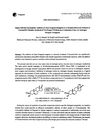
February 1994 in “Tetrahedron Letters”
14 citations
,
February 1994 in “Tetrahedron Letters” Adding cerium(III) chloride to Grignard reagents improves the making of compounds that could treat prostate issues and hair loss.
4 citations
,
August 2023 in “Journal of Cosmetic Dermatology” Gynostemma pentaphyllum extract may help grow hair and prevent graying.
4 citations
,
October 2001 in “Mycoses” A young cat had a rare fungal infection caused by Microsporum gypseum.
 April 2013 in “Developmental Cell”
 Brg1 is crucial for keeping hair follicle stem cells and repairing skin, working with the Sonic Hedgehog pathway to promote hair growth.
27 citations
,
February 2020 in “EMBO Reports” MEX3A is crucial for maintaining intestinal stem cells in mice.
34 citations
,
March 2007 in “Biochemical and Biophysical Research Communications” Thioredoxin reductase 1 does not affect glucocorticoid receptor activity in hair follicle cells.
2 citations
,
November 1996 in “Transplantation” Injecting recipient splenocytes into donors' thymus can prevent graft-versus-host disease.
2 citations
,
March 1942 in “JAMA”  March 2024 in “Plant physiology”
 GLABRA 2 controls ethylene production to help root hair growth during nutrient deficiency.