 September 2025 in “Journal of International Medical Research”
 Chlorine gas exposure can cause long-term skin issues.
 January 2024 in “Bright Sky Publications eBooks”
 Helicobacter pylori infection is common in Southern Iraq gastritis patients, affecting 64.1%.
 June 2020 in “Research Square (Research Square)”
 Non-Kuwaitis with COVID-19 had higher chances of severe outcomes than Kuwaitis.
 1 citations
,
November 2022 in “F1000Research”
1 citations
,
November 2022 in “F1000Research” The skin conditions of Iraqi women changed during the COVID-19 pandemic, with more hair loss and skin irritation but fewer contagious skin infections.
 May 2012 in “Surgery (oxford)”
 Patients who survive critical illness often face long-lasting physical, mental, and cognitive issues, with many unable to return to work within a year.
 June 2016 in “The Egyptian Journal of Forensic Sciences and Applied Toxicology”
 Long-term exposure to benzene increases skin diseases, blood disorders, and liver problems.
 February 1938 in “Journal of the American Medical Association”
 Washing can prevent cancer from lubricating oils, extreme body temperatures need more study, Sulfomid is not recognized, no reliable diphtheria carrier treatment except surgery, eyelid injuries should heal before repair, heterophile antibody test is specific for mononucleosis, chlorine inhalations for colds are outdated, and wheat germ is safe.
1 citations
,
January 2023 in “OALib” Fatigue, loss of taste and smell, and cough are common long-term symptoms after COVID-19.
 April 2024 in “Public health”
 Vaccination and timely treatment reduce the risk of long COVID.
January 2020 in “Emergency Medicine News” Early diagnosis, decontamination, and supportive care are crucial for managing acute radiation syndrome.
 April 2016 in “Journal of The American Academy of Dermatology”
 Certain skin diseases are linked to Agent Orange and similar chemicals; veterans should be screened and informed about uncertain risks, and current data doesn't link spironolactone with breast cancer.
 39 citations
,
March 2022 in “Infection”
39 citations
,
March 2022 in “Infection” Many recovered COVID-19 patients in Saudi Arabia still experience symptoms like fatigue and anxiety, especially older adults and those with other health issues.
 March 2025 in “Health Science Reports”
 SLE in Iraqi patients often involves hair loss and photosensitivity, with common treatments being corticosteroids and immunosuppressants.
 3 citations
,
August 2017 in “Al-Qadisiah medical journal”
3 citations
,
August 2017 in “Al-Qadisiah medical journal” Focus on common skin diseases like eczema and infections to improve diagnosis and management.
 January 2024 in “International Journal of Biology Sciences”
 Targeted interventions based on gender, education, and age can improve COVID-19 healthcare responses.
 October 2016 in “Mağallaẗ Kulliyyaẗ al-ṭibb Baġdād”
 Most Iraqi women with telogen effluvium had no clear cause for their hair loss, and few had significant thinning.
 1 citations
,
November 2021 in “F1000Research”
1 citations
,
November 2021 in “F1000Research” The COVID-19 pandemic led to more hair loss and skin irritation among Iraqi women, with some skin conditions increasing and others decreasing.
 October 2016 in “Mağallaẗ Kulliyyaẗ al-ṭibb Baġdād”
 Most Iraqi women with telogen effluvium did not have a clear cause for their hair loss, and few had significant thinning.
 March 2015 in “Surgery (oxford)”
 Critical illness can lead to long-lasting physical and psychological problems, requiring ongoing, specialized care and rehabilitation.
 1 citations
,
June 2023 in “BMC Pediatrics”
1 citations
,
June 2023 in “BMC Pediatrics” Most children recovered from COVID-19 in 4 weeks, but some experienced long-term symptoms, especially older kids.
 May 2022 in “F1000Research”
 During the COVID-19 pandemic, Iraqi women experienced more hair loss and certain skin conditions, while contagious skin infections decreased.
January 2022 in “Faculty of 1000 Research Ltd” During COVID-19, Iraqi women experienced more hair loss and skin issues like acne, likely due to stress and mask-wearing.
 March 2022 in “Journal of clinical case studies reviews & reports”
 COVID-19 can cause different skin issues, including rashes and hair loss.
 21 citations
,
June 2004 in “International Journal of Dermatology”
21 citations
,
June 2004 in “International Journal of Dermatology” Most skin diseases in Hajjah, Yemen, were dermatitis, infections, and acne, influenced by local socioeconomic and environmental factors.
7 citations
,
September 1999 in “PubMed” Eating grouper fish liver can cause vitamin A poisoning with severe symptoms.
 6 citations
,
June 2022 in “Frontiers in Psychiatry”
6 citations
,
June 2022 in “Frontiers in Psychiatry” Many patients with various medical conditions experience anxiety, which worsens their quality of life and raises healthcare costs.
1 citations
,
October 2024 in “The American Journal of Gastroenterology” Khat use may worsen liver conditions and increase the risk of liver damage.
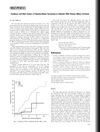 10 citations
,
October 2010 in “Hepatology”
10 citations
,
October 2010 in “Hepatology” Certain liver diseases respond well to specific treatments and have varying risks for liver cancer.
SLE symptoms in Dubai are similar to those in other Arab and Western countries.
 33 citations
,
November 2014 in “Military Medicine”
33 citations
,
November 2014 in “Military Medicine” The U.S. military's teledermatology program was effective in providing fast and successful skin care in remote locations, preventing unnecessary evacuations.