 June 2026 in “Nano Research”
 3D bioprinted skin using liver cell exosomes helps heal wounds better.
 November 2025 in “Journal of Pioneering Medical Science”
 Dietary interventions improved hair density and reduced dandruff by balancing scalp microbiota and reducing inflammation.
 October 2025 in “International Journal of Nutrology”
 Improving gut health can enhance skin health and aid in treating skin diseases.
 August 2025 in “Archiv Euromedica”
 Gut microbiota changes might play a role in alopecia areata, and microbiome-targeted treatments show promise.
 May 2024 in “International journal of nanomedicine”
 Plant-derived extracellular vesicles show promise for treating diseases like cancer and inflammation.
Certain gut microbes are linked to better health in 14 conditions.
 5 citations
,
March 2024 in “Acta Scientiarum Polonorum Technologia Alimentaria”
5 citations
,
March 2024 in “Acta Scientiarum Polonorum Technologia Alimentaria” Underutilized seeds like jackfruit, Indian almond, and tamarind have valuable nutrients and compounds that can be used sustainably in various industries.
 January 2026 in “Frontiers in Pharmacology”
 Cedrol may help treat inflammatory bowel disease by improving gut health and function.
 271 citations
,
May 2019 in “Cells”
271 citations
,
May 2019 in “Cells” The secretome from mesenchymal stem cells is a promising treatment that may repair tissue and avoid side effects of stem cell transplantation.
 120 citations
,
April 2009 in “Food Chemistry”
120 citations
,
April 2009 in “Food Chemistry” Hibiscus plant extracts may have health benefits like lowering blood pressure and protecting the heart.
 26 citations
,
May 2021 in “International Journal of Molecular Sciences”
26 citations
,
May 2021 in “International Journal of Molecular Sciences” Cheonggukjang may help prevent and manage various diseases and improve overall health, but its odor and safety concerns need addressing.
 75 citations
,
November 2016 in “Medicines”
75 citations
,
November 2016 in “Medicines” Beta-sitosterol has potential health benefits but needs more research to fully understand its effects and improve its use in treatments.
A very low-calorie ketogenic diet led to weight loss and improved metabolic and hormonal health in obese men, with better sperm motility.
Phytochemicals from plants may help improve hormonal health naturally.
 August 2019 in “Journal of Investigative Dermatology”
 Frog skin cells need the protein desmoplakin for proper development and cell layer formation.
 12 citations
,
May 2017 in “Pharmacology & therapeutics”
12 citations
,
May 2017 in “Pharmacology & therapeutics” Targeting immune tolerance issues in Alopecia Areata could restore hair growth and maintain remission.
 March 2026 in “Aging Research”
 Personalized anti-aging strategies are important, considering genetics and lifestyle.
Combining nanotechnology with herbal medicine may improve PCOS treatment.
 82 citations
,
August 2017 in “Cell Reports”
82 citations
,
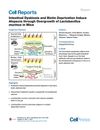
August 2017 in “Cell Reports” An imbalanced gut and lack of biotin can cause hair loss in mice.
 July 2025 in “Journal of Pharmacognosy and Phytochemistry”
 Plant-based therapies, like Aloe Vera and Cinnamon, may help manage PCOS symptoms with fewer side effects.
 17 citations
,
April 2020 in “Dermatology and Therapy”
17 citations
,
April 2020 in “Dermatology and Therapy” The PRP-like cosmetic product with postbiotics effectively treats hair loss in Alopecia areata.
8 citations
,
November 2024 in “Journal of Neuroendocrinology” Gut bacteria affect steroid levels, influencing health conditions and potential treatments.
Allopregnanolone may help reduce inflammation and symptoms related to post-finasteride syndrome.
 April 2026 in “Nanomaterials”
 Plant-derived vesicles from Ayurvedic plants may improve treatment delivery for hair growth and other conditions.
 December 2024 in “Medicine”
 Gut bacteria may affect hair loss risk.
December 2025 in “Cosmetics” Gut bacteria differences could help diagnose and treat alopecia areata.

Rosacea may be linked to gut and brain issues, not just a skin problem.
 September 2025 in “Frontiers in Cell and Developmental Biology”
 TCM-derived nanovesicles show promise for wound healing and skin regeneration but need more research.
4 citations
,
July 2024 in “Skin Research and Technology” Certain bacteria may influence alopecia areata risk, but skin bacteria don't mediate gut-skin effects.
9 citations
,
July 2025 in “Pharmaceuticals” Plant-derived exosomes can help deliver drugs and enable communication between different organisms.