 6 citations
,
January 2018 in “PubMed”
6 citations
,
January 2018 in “PubMed” Heavy metals might contribute to hair loss in Telogen Effluvium.
January 2006 in “Heilongjiang yiyao kexue” Children with frequent respiratory infections may have low levels of zinc, iron, and copper.
 August 2022 in “JAAD case reports”
 A woman with a long-term skin condition developed a serious skin cancer that led to her death.
September 2007 in “The American Journal of Gastroenterology” Cronkhite-Canada syndrome causes chronic diarrhea and has a poor prognosis despite treatment.
25 citations
,
April 2008 in “Clinical and experimental dermatology” EFFC might be common but underreported.
 9 citations
,
July 2016 in “The Journal of Dermatology”
9 citations
,
July 2016 in “The Journal of Dermatology” An 82-year-old man's white hair regained color after taking etretinate for psoriasis.
January 1962 in “Archives of Dermatology” A 5-year-old girl has lipoid proteinosis, causing voice issues, hair thinning, skin lesions, and tongue movement problems.
 28 citations
,
August 2003 in “Steroids”
28 citations
,
August 2003 in “Steroids” Hirsute women have lower type 2 17β-HSD enzyme levels, which improve with treatment.
2 citations
,
August 2022 in “World Journal of Clinical Cases” Albumin and prednisone improved symptoms in a woman with Cronkhite-Canada syndrome, revealing potential genetic causes.
23 citations
,
December 1990 in “PubMed” SLE should be considered in horses with immune-related skin issues.
13 citations
,
January 2018 in “Skin Appendage Disorders” Dermoscopy improves diagnosis and treatment planning for trichostasis spinulosa.
January 2006 in “Dianzi xianwei xuebao” Netherton syndrome causes specific skin and hair changes that help in early diagnosis.
 2 citations
,
March 2022 in “Portuguese Journal of Nephrology & Hypertension”
2 citations
,
March 2022 in “Portuguese Journal of Nephrology & Hypertension” A rare EGFR mutation in newborns leads to severe health issues and early death.
17 citations
,
January 2015 in “JOURNAL OF CLINICAL AND DIAGNOSTIC RESEARCH” Cronkhite-Canada syndrome is a rare, non-inherited condition causing various symptoms like polyps, hair loss, and weight loss.
1 citations
,
January 2016 in “Journal of Advanced Plastic Surgery Research” The laser treatment effectively reduced hair growth in women with hirsutism, with temporary side effects.
 February 2010 in “Journal of the American Academy of Dermatology”
 Umbilical cord blood transplantation improved the boy's symptoms despite complications.
 71 citations
,
May 1975 in “The American journal of surgery”
71 citations
,
May 1975 in “The American journal of surgery” The patient's liver did not fully grow back and she had serious temporary side effects after a very large liver surgery.
 September 2023 in “Translational medicine reports”
 Minoxidil ingestion can raise liver enzyme levels.

Exosome therapy successfully regrew and restored natural hair color in a man with stress-related hair loss.
June 2018 in “Korean Journal of Family Practice” 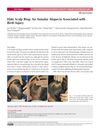 2 citations
,
January 2023 in “Annals of Dermatology”
2 citations
,
January 2023 in “Annals of Dermatology” A hairless patch on a boy's scalp from birth injury improved with minoxidil treatment.
 4 citations
,
June 2016 in “Rossiiskii Zhurnal Kozhnykh i Venericheskikh Boleznei”
4 citations
,
June 2016 in “Rossiiskii Zhurnal Kozhnykh i Venericheskikh Boleznei” Combining iron supplements with Qilib lotion is more effective for treating hair loss from iron deficiency.
 January 2015 in “British journal of medicine and medical research”
 A woman with severe hair loss due to systemic sclerosis regrew her hair in 4 months using a combination of treatments.
 October 2024 in “Journal of Cutaneous Immunology and Allergy”
 Steroid injections improved symptoms and hair regrowth in a woman with a reaction to permanent makeup.
April 2024 in “International Journal of Advanced Research” Vitamin B12 deficiency is linked to hair loss and skin pigmentation changes.
 February 2024 in “Journal of Cosmetic Dermatology”
 White hair patch repigmented and hair regrew in a balding patient after treatment with exosomes and laser.
34 citations
,
June 1992 in “Journal of Cutaneous Pathology” Harlequin ichthyosis involves abnormal skin cell structures and giant mitochondria, affecting skin and hair.
December 1990 in “PubMed” Hirsutism and androgenetic alopecia in women are often due to increased androgen effects, and antiandrogen treatment is recommended to prevent further issues.
September 2016 in “Journal of dermatological science” The conclusion is that the variation in hair thinness in patients is mostly due to the amount of underdeveloped hairs, and treatments that thicken fine hairs might work for those with mild to severe conditions.

Hair can accurately predict iron levels in cattle muscle, helping diagnose mineral imbalances.