 July 2026 in “Zenodo (CERN European Organization for Nuclear Research)”
 Herbal cosmetics are beneficial but need more testing and standardization for global use.
July 2026 in “Clinics in Dermatology” Topical melatonin may help protect and rejuvenate skin.
 March 2026 in “SHILAP Revista de lepidopterología”
 Cosmeceuticals effectively treat skin issues but need better regulation and safety measures.
February 2026 in “Molecular and Cellular Probes” Stem cell and plant exosomes may help heal and regenerate skin.
 December 2025 in “Frontiers in Nutrition”
 Collagen supplements may improve skin, joints, and recovery, especially with added nutrients.
 December 2025 in “Open Repository of the University of Porto (University of Porto)”
 Pharmacists play a crucial role in improving patient outcomes through personalized care and staying updated with scientific advancements.
 December 2025 in “Zenodo (CERN European Organization for Nuclear Research)”
 The treatment improved hair density and scalp coverage in an elderly woman with hair loss.
 December 2025 in “Zenodo (CERN European Organization for Nuclear Research)”
 The treatment improved hair density and scalp coverage in an elderly woman with hair loss.
 October 2025 in “Editora Pasteur eBooks”
 Peptides improve skin health and treatments for hair loss and pregnancy-related skin issues are evolving.
August 2025 in “Texila international journal of management” PRP is a promising, popular treatment in cosmetics with growing demand and business potential.
July 2025 in “Zagazig University Medical Journal” Exosomes can be used for diagnosing and treating skin conditions and improving skin health.
 June 2025 in “International Journal of Dermatology”
 Exosomes could transform skin treatments but face technical and regulatory hurdles.
 November 2024 in “Journal of Scientific Agriculture”
 Silk proteins are great for cosmetics because they protect and improve skin and hair while being eco-friendly.
 August 2024 in “Journal of Dermatology & Cosmetology”
 Acitretin effectively prevented skin cancer in a patient with late-onset Rothmund-Thomson syndrome.
 August 2024 in “Quality in Sport”
 PRP helps with skin, hair, and wound treatments but needs more research for standard use.
 August 2024 in “Indian Journal of Skin Allergy”
 Stem-cell therapy shows promise for skin conditions but needs more research.
May 2024 in “NATIONS UNIVERSITY INTERNATIONAL JOURNAL OF MULTI-DISCIPLINARY STUDIES” Horsetail extracts contain phenolic compounds that may help with hair health.
 April 2024 in “BMB Reports”
 Lack of Cisd2 disrupts calcium balance in cells, leading to poorly functioning neutrophils.
 March 2024 in “Indian Journal of Dermatology/Indian journal of dermatology”
 Exosomes could be key in treating skin conditions and healing wounds.
 March 2024 in “Journal of Microbiology and Biotechnology”
 Phloroglucinol may help improve hair loss by promoting hair growth and reducing oxidative stress.
January 2024 in “Cosmetics” Menopause worsens skin, hair, and nails, affecting self-esteem and quality of life.

Thermal spring waters and their microbes could be good for skin health and treating some skin conditions in skincare products.

Custom skincare can be made based on genes, fewer cats in Lublin have FeLV/FIV than national average, and studies also looked at small water bodies, river pollution, guppy growth, toxins in biochars, palm oil issues, and pumpkin seed oil for hair strength.
 August 2022 in “Journal of drugs in dermatology”
 Hormone therapy might help improve women's appearance as they age.

Vitamin D is crucial for skin health and managing skin diseases.
 August 2020 in “Research Square (Research Square)”
 Oxygen levels affect hair growth and color cells differently when they interact directly.
January 2019 in “Estudo Geral (Universidade de Coimbra)” Algae are promising for skincare due to their antioxidant, anti-inflammatory, and moisturizing properties.
January 2019 in “Springer eBooks” PLGA nanospheres in cosmetics improve skin and hair treatment effectiveness.
 June 2015 in “Biomedical and biopharmaceutical research”
 The congress showed advancements in skin hydration, barrier function, and safe, effective new cosmetic formulations.
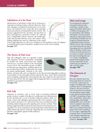 May 2015 in “Journal of Investigative Dermatology”
 Melanoma risk tools need improvement, a gene mutation causes a hair disorder that might be treated by managing cell stress, a potential therapy for a skin-ear disorder involves blocking cell channels, skin wrinkling may indicate lung aging regardless of smoking, and oxidative stress might contribute to common baldness.