April 2026 in “The FASEB Journal” Exosomal miR-199a-3p from dermal papilla cells helps control hair color by affecting melanocytes.
 March 2026 in “Zenodo (CERN European Organization for Nuclear Research)”
 Ratanjot root oil helps hair grow and conditions and colors it naturally.
 March 2026 in “International Journal of Advanced Biochemistry Research”
 German shepherd hair varies in color and pattern but is flat with a consistent internal structure.
October 2025 in “International Journal of Homoeopathic Sciences” Homeopathy helped restore normal hair color in a 5-year-old with premature greying.
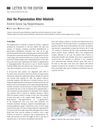 April 2025 in “Turkish Journal of Hematology”
 Nilotinib may cause gray hair to return to its original color.
 November 2022 in “The journal of investigative dermatology/Journal of investigative dermatology”
 The study found markers indicating that cells responsible for hair color are differentiating in specific areas of the hair follicle.
11 citations
,
May 2012 in “Genesis” Bmpr2 and Acvr2a receptors are crucial for hair retention and color.
 3 citations
,
January 2019 in “Advances in stem cells and their niches”
3 citations
,
January 2019 in “Advances in stem cells and their niches” Dermal papilla cells are key for hair growth and color, influencing hair type and size, and their interaction with stem cells could help treat hair loss and color disorders.
December 2025 in “International Journal of Advanced Biochemistry Research” Malvi cattle hair varies in color and pattern across different body regions.
November 2013 in “Institutional Repositories DataBase (IRDB)” Gamma-ray exposure during hair rest phase harms hair growth and color in mice.
3 citations
,
June 2025 in “Stem Cell Research & Therapy” Hair follicle-derived melanocyte transplant could effectively treat vitiligo by restoring skin color.
 June 2026 in “Zenodo (CERN European Organization for Nuclear Research)”
 Henna is a safer alternative to synthetic hair dyes but has limited color options.
 November 2022 in “Brazilian journal of veterinary pathology”
 The Yorkshire terrier has a genetic hair loss condition not improved by treatment.
May 2015 in “Journal of the American Academy of Dermatology” New hair after alopecia areata can be thinner and change color but usually keeps the same shape.
 January 2000 in “Optics Letters”
 Laser treatment can inhibit hair growth and different hair colors reach different temperatures when lasered.
 9 citations
,
July 2016 in “The Journal of Dermatology”
9 citations
,
July 2016 in “The Journal of Dermatology” An 82-year-old man's white hair regained color after taking etretinate for psoriasis.

A natural hair dye from cuttlefish ink and chitosan effectively colors hair black without harmful chemicals.
December 2025 in “International Journal of Research in Dermatology” The Ayurvedic treatment safely and effectively restores natural hair color by increasing black hair and reducing grey hair.
June 2025 in “Clinical and Experimental Dermatology” A 76-year-old man's grey hair turned back to its original color after radiotherapy.
October 2023 in “Biomimetics” The new hair-dyeing shampoo is safe, colors hair evenly, and strengthens it.
90 citations
,
December 2008 in “Journal of Investigative Dermatology” Thyroid-stimulating hormone affects hair follicles but doesn't change hair growth or color.
8 citations
,
May 2003 in “Clinical and Experimental Dermatology” A 14-year-old girl's black hair showed unique color changes, suggesting early greying.
 6 citations
,
November 2013 in “International Journal of Radiation Biology”
6 citations
,
November 2013 in “International Journal of Radiation Biology” Gamma-rays exposure during the resting phase of hair growth can damage hair regeneration and color in mice.
 July 2023 in “Biomolecules”
 The new "whisker follicle microinjection assay" can test how different biomolecules affect hair growth and color.
October 2019 in “European Journal of Dermatology” The boy's hair and skin color differences are due to a pigmentation disorder.
August 2022 in “Zenodo (CERN European Organization for Nuclear Research)” The herbal hair dye effectively provides a natural reddish-brown color without synthetic chemicals.
March 2021 in “Faculty Opinions – Post-Publication Peer Review of the Biomedical Literature” Fat tissue around hair follicles releases a growth factor that helps hair grow and develop color.
 3 citations
,
April 2022 in “Dermatologic Surgery”
3 citations
,
April 2022 in “Dermatologic Surgery” Light therapy with various colors helps treat hair loss.
77 citations
,
August 1986 in “Archives of Dermatology” Vitamin B12 deficiency can cause skin and hair color changes, which are reversible with treatment.
24 citations
,
October 2008 in “PubMed” Excessive sun exposure damages hair, causing protein loss and color changes.