 88 citations
,
January 2019 in “Journal of Tissue Engineering and Regenerative Medicine”
88 citations
,
January 2019 in “Journal of Tissue Engineering and Regenerative Medicine” Conditioned media from mesenchymal stem cell cultures could be a more effective alternative for regenerative therapies, but more research is needed.
 81 citations
,
December 2009 in “Journal of Dermatological Science”
81 citations
,
December 2009 in “Journal of Dermatological Science” Fat tissue stem cells may help increase hair growth.
 57 citations
,
November 1998 in “Wound Repair and Regeneration”
57 citations
,
November 1998 in “Wound Repair and Regeneration” Hair papilla cells can create and regenerate hair bulbs under the right conditions.
52 citations
,
September 2017 in “Current Stem Cell Research & Therapy” Adipose-derived stem cells can help treat hair loss.
 32 citations
,
May 2020 in “European Journal of Pharmacology”
32 citations
,
May 2020 in “European Journal of Pharmacology” Stem cell therapies show promise for hair regrowth but face production and application challenges.
30 citations
,
November 2020 in “Journal of Advanced Research” Conditioned medium from keratinocytes can improve hair growth potential in cultured dermal papilla cells.
 23 citations
,
June 2015 in “Journal of Tissue Engineering and Regenerative Medicine”
23 citations
,
June 2015 in “Journal of Tissue Engineering and Regenerative Medicine” Wnt1a helps keep cells that can grow hair effective for potential hair loss treatments.
 13 citations
,
September 2010 in “Journal of Dermatological Science”
13 citations
,
September 2010 in “Journal of Dermatological Science” Researchers made a cell line that grows quickly and can help with hair growth research.
 9 citations
,
January 2018 in “Stem Cells International”
9 citations
,
January 2018 in “Stem Cells International” Deer antler stem cell fluid helps regenerate tissue better than fat-derived stem cell fluid.
5 citations
,
December 2024 in “Bioengineering” Modified stem cell medium improves healing in diabetic wounds.
 4 citations
,
June 2022 in “Journal of Cosmetic Dermatology”
4 citations
,
June 2022 in “Journal of Cosmetic Dermatology” Multi-peptide factors from fibroblasts may stimulate hair growth by increasing growth factors and β-catenin in hair cells.
4 citations
,
June 2021 in “Frontiers in Pharmacology” Bone marrow stem cells and their medium help hair regrowth.
 3 citations
,
January 2023 in “Physiological Research”
3 citations
,
January 2023 in “Physiological Research” Conditioned media from mesenchymal stem cells show promise for tissue repair and disease treatment, but more research is needed on their safety and effectiveness.
1 citations
,
November 2025 in “Stem Cell Research & Therapy” Immortalized hair follicle cells could be useful for regenerative medicine and treating inflammation and oxidative stress.
June 2026 in “Journal of Cosmetic Dermatology” The treatment improved hair growth and was safe, with hair number per follicle indicating success.
 April 2026 in “Stem Cell Research & Therapy”
 Regenerative treatments improve hair growth in androgenetic alopecia with mild side effects.
 February 2026 in “Scientific Reports”
 The gel is safe and effective for treating oral mucositis from chemotherapy and radiation.
 July 2024 in “Journal of Dermatology Research Reviews & Reports”
 Stem cell therapy shows promise for treating hair loss by promoting hair growth.

Dexamethasone-primed stem cell media shows promise in treating lupus by reducing symptoms and inflammation.
 June 2024 in “Skin Appendage Disorders”
 Both PRP and MZT treatments can significantly improve hair growth in patients with androgenetic alopecia.
 November 2023 in “PubMed”
 Combining stem cell-conditioned media with anti-androgen drugs can improve hair growth in male pattern baldness.

Hair loss treatment using stem cells from baby teeth was effective for 75% of men tested, with mild side effects. A scoring system may predict how well this treatment works.

New treatments for hair loss show promise, including plasma, stem cells, and hair-stimulating complexes, but more research is needed to fully understand them.
January 2010 in “Seoul National University Open Repository (Seoul National University)” The medium from stem cells in fat tissue may boost hair growth.
September 2008 in “Acta Ophthalmologica” Hair follicle stem cells can become corneal-like cells with the right environment.
 January 2008 in “Durham e-Theses (Durham University)”
 Hair follicle stem cells are similar to mesenchymal stem cells and can become neural-like cells under certain conditions.
28 citations
,
October 2010 in “Targeted Oncology” Trastuzumab may cause tufted hair folliculitis as a side effect.
 1 citations
,
January 2023 in “Skin appendage disorders”
1 citations
,
January 2023 in “Skin appendage disorders” Hair oils can worsen seborrheic dermatitis in black patients.
 1 citations
,
February 2013 in “Clinical pediatrics”
1 citations
,
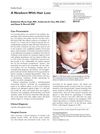
February 2013 in “Clinical pediatrics” The baby’s hair loss was due to a rare genetic condition, not treatable by usual methods.
 1 citations
,
August 2023 in “Clinical, Cosmetic and Investigational Dermatology”
1 citations
,
August 2023 in “Clinical, Cosmetic and Investigational Dermatology” A condition with certain scalp changes may come before acne keloidalis nuchae and other similar hair loss disorders.