DPC-Exos can help regenerate hair follicles and heal wounds by activating the Wnt/β-catenin pathway.
PDGF signaling is crucial for cell development, wound healing, and fluid regulation in the body.
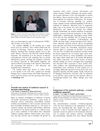 June 2008 in “Experimental dermatology”
 Melatonin protects skin and hair from damage and stress by acting as an antioxidant and influencing cell growth.
January 2010 in “International Journal of Dermatology and Venereology” Dermal papilla cells play a key role in hair loss by responding to androgens.
 788 citations
,
February 2007 in “Nature”
788 citations
,
February 2007 in “Nature” The document concludes that skin stem cells are important for hair growth and wound healing, and could be used in regenerative medicine.
 243 citations
,
October 2003 in “Developmental biology”
243 citations
,
October 2003 in “Developmental biology” Ectodin integrates BMP, SHH, and FGF signals in developing ectodermal organs.
209 citations
,
October 2008 in “The Journal of Pathology” Stem cell niches are essential for tissue health and repair.
158 citations
,
November 1998 in “Cell” β-catenin affects hair growth and can lead to tumors, needing more research for better understanding.
 86 citations
,
May 2008 in “Cytokine & growth factor reviews”
86 citations
,
May 2008 in “Cytokine & growth factor reviews” TNF family proteins are crucial for the development of skin features like hair, teeth, and mammary glands.
65 citations
,
December 2000 in “PubMed” The biology of skin and hair is complex and not fully understood.
42 citations
,
August 1995 in “British journal of dermatology/British journal of dermatology, Supplement” RXR-alpha is strongly expressed in both normal and psoriatic skin and may help in skin cell differentiation and hair growth.
13 citations
,
June 2014 in “Molecular therapy” The lentiviral array can monitor and predict gene activity during stem cell differentiation.
 7 citations
,
January 2020 in “Scientific Reports”
7 citations
,
January 2020 in “Scientific Reports” Rabbit skin analysis showed changes in hair growth and identified miRNAs that may regulate hair follicle development.
 6 citations
,
December 2022 in “Colloids and Surfaces B: Biointerfaces”
6 citations
,
December 2022 in “Colloids and Surfaces B: Biointerfaces” The new wound dressing promotes cell growth and healing, absorbs wound fluids well, and is biocompatible.
6 citations
,
January 1997 in “Pediatric dermatology” The case suggests a possible link between severe acne and certain bone deformities.
5 citations
,
February 2023 in “Frontiers in Veterinary Science” Ovine dermal papilla cells are promising for hair growth research due to their stable properties and hair-inducing abilities.
5 citations
,
September 2018 in “Journal of Investigative Dermatology” Keratinocyte cytokines and genetic variations influence the development of moles and skin pigmentation.
5 citations
,
January 2004 Stem cells help heal skin wounds by supporting tissue repair and regeneration.
4 citations
,
January 2012 Carboxytherapy did not significantly improve burn healing in rats.
 2 citations
,
October 2020 in “Drug Discoveries & Therapeutics”
2 citations
,
October 2020 in “Drug Discoveries & Therapeutics” Althaea officinalis helps wounds heal faster in rats.
 2 citations
,
January 2015 in “BioMed Research International”
2 citations
,
January 2015 in “BioMed Research International” Growth factor treatments are increasingly used in medicine but require more research to fully understand their mechanisms.
2 citations
,
January 2001 in “Medical Journal of National Defending Forces in Northwest China” Endogenous EGF helps heal second-degree scald wounds faster.
 1 citations
,
March 2023 in “Colloids and surfaces. B, Biointerfaces”
1 citations
,
March 2023 in “Colloids and surfaces. B, Biointerfaces” A new wound dressing with p-Coumaric acid helps heal diabetic wounds faster by reducing inflammation and promoting skin repair.
July 2026 in “npj Regenerative Medicine” Nanoclay gels improve skin wound healing quality in diabetic mice.
June 2026 in “Advanced Healthcare Materials” Engineered vesicles with EGF mRNA improve skin wound healing and reduce scarring.

Exosomes show promise for improving skin health and healing.
April 2026 in “Biomaterials and Biosystems” Combining exosomes with nanoparticles speeds up healing of diabetic pressure ulcers.
 March 2026 in “Science China Materials”
 SeV-Tp speeds up healing of drug-resistant infections by targeting wounds and killing bacteria with light activation.
March 2026 in “ACS Applied Materials & Interfaces” MCP@G improves diabetic wound healing by reducing stress and promoting tissue repair.
 February 2026 in “Inflammopharmacology”
 Pistacia atlantica leaf ointment effectively heals wounds like phenytoin, with added antibacterial and anti-inflammatory benefits.