Boosting certain cell signals can prevent hair loss from chemotherapy and radiation.
Boosting certain cell signals can prevent hair loss from chemotherapy and radiation.
 41 citations
,
September 2010 in “Journal of dermatological science”
41 citations
,
September 2010 in “Journal of dermatological science” Bone marrow and umbilical cord stem cells can help grow new hair.
 24 citations
,
November 2016 in “Cell death and disease”
24 citations
,
November 2016 in “Cell death and disease” Skin-derived stem cells can become various cell types, including germ cell-like and oocyte-like cells.
 36 citations
,
May 2016 in “Biomaterials”
36 citations
,
May 2016 in “Biomaterials” Endo-HSE helps grow hair-like structures from human skin cells in the lab.
 94 citations
,
February 1994 in “The journal of investigative dermatology/Journal of investigative dermatology”
94 citations
,
February 1994 in “The journal of investigative dermatology/Journal of investigative dermatology” EGF makes hair follicles grow longer but stops hair production.
 5 citations
,
November 2017 in “Elsevier eBooks”
5 citations
,
November 2017 in “Elsevier eBooks” Scientists can now grow hair-like structures in a lab using special 3D culture systems, which could potentially help people with hair loss or severe burns.
4 citations
,
January 2013 in “Stem cell discovery” Researchers created a cell line from a hair follicle to study hair loss.
133 citations
,
July 1994 in “Journal of Dermatological Science” Human hair growth can be influenced by certain growth factors and has specific metabolic needs.
30 citations
,
November 2020 in “Journal of Advanced Research” Conditioned medium from keratinocytes can improve hair growth potential in cultured dermal papilla cells.
 28 citations
,
October 2019 in “Seminars in Cell & Developmental Biology”
28 citations
,
October 2019 in “Seminars in Cell & Developmental Biology” Hair can regrow in large wounds through a process similar to how hair forms in embryos, and understanding this could lead to new treatments for hair loss or scarring.
 21 citations
,
January 2018 in “The Korean Journal of Physiology and Pharmacology”
21 citations
,
January 2018 in “The Korean Journal of Physiology and Pharmacology” Modified stem cells from umbilical cord blood can make hair grow faster.
 17 citations
,
April 2021 in “Molecules/Molecules online/Molecules annual”
17 citations
,
April 2021 in “Molecules/Molecules online/Molecules annual” Linoleic acid from Malva verticillata seeds may help treat hair loss by promoting hair cell growth and blocking baldness signals.
6 citations
,
February 2010 in “Biotechnology and bioprocess engineering” Using umbilical cord stem cells can help create hair-growing tissues more affordably.
5 citations
,
April 2022 in “Pharmaceutics” Minoxidil nanoparticles significantly boost hair growth in mice compared to regular minoxidil.
3 citations
,
August 2025 in “Stem Cell Research & Therapy” Adipose-derived stem cells show promise in treating hair loss by promoting hair regrowth and improving hair follicle function.
1 citations
,
January 2010 in “Shenyang Nongye Daxue xuebao” IGF-1 and EGF together significantly boost hair follicle growth in cashmere goats.
January 2026 in “Journal of Investigative Dermatology” Female-pattern hair loss may involve an autoimmune-like process, suggesting new treatment options.
 December 2025 in “PubMed”
 Fish collagen peptide may boost hair growth and health.
 March 2025 in “Aging Cell”
 Reducing IGF-1 can help rejuvenate hair follicles and prevent hair graying and loss.
 April 2024 in “bioRxiv (Cold Spring Harbor Laboratory)”
 GRK2 is essential for healthy hair follicle function, and its absence can lead to hair loss and cysts.
 July 2023 in “Journal of bioscience and bioengineering”
 DMSO and microfinger devices show promise for preserving hair grafts for hair loss treatments.
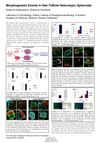
Researchers developed a method to create artificial hair follicles that may help with hair loss treatment and research.
November 2010 in “Faculty Opinions – Post-Publication Peer Review of the Biomedical Literature” Mesenchymal stem cells from bone marrow and umbilical cord can help regenerate hair follicles.
IGF-I and EGF together boost sheep hair follicle growth.
 April 2023 in “The journal of investigative dermatology/Journal of investigative dermatology”
 Removing certain immune cells in mice causes their hair to enter the growth phase earlier than usual.
1 citations
,
October 2025 in “Journal of Visualized Experiments” The method creates skin organoids with hair follicles for research on skin conditions and treatments.
January 2014 in “China Animal Husbandry & Veterinary Medicine” EGF, IGF-I, and IGF-IR genes are crucial for mink skin and hair growth.
 10 citations
,
January 2014 in “BioMed research international”
10 citations
,
January 2014 in “BioMed research international” Rat whisker cells can help turn other cells into nerve cells and might be used to treat brain injuries or diseases.
 10 citations
,
June 2005 in “The journal of investigative dermatology/Journal of investigative dermatology”
10 citations
,
June 2005 in “The journal of investigative dermatology/Journal of investigative dermatology” FP-1 is a key protein in rat hair growth, active only during the growth phase.