4 citations
,
November 2001 in “PubMed” 1 mg/day oral finasteride significantly improves hair growth in men with male pattern baldness.
 3 citations
,
January 2016 in “Biotechnology and Bioprocess Engineering”
3 citations
,
January 2016 in “Biotechnology and Bioprocess Engineering” Laminaria japonica extract with IGF-1 improved mouse hair growth and could be a potential alopecia treatment.
 2 citations
,
January 2022 in “Lasers in Medical Science”
2 citations
,
January 2022 in “Lasers in Medical Science” Using a carbon dioxide laser and platelet-rich plasma together can effectively restore hair and patients are generally satisfied with the results.
2 citations
,
March 2020 in “International journal of dermatology and clinical research” Microneedling helps hair growth, with hair multivitamins showing slightly better results than minoxidil.
2 citations
,
January 2017 Minoxidil and Propecia are the only FDA-approved hair growth drugs, but people are exploring herbal alternatives due to concerns about side effects.
 2 citations
,
March 2013 in “Hair transplant forum international”
2 citations
,
March 2013 in “Hair transplant forum international” Research on "hair cloning" for hair loss shows potential for hair thickening but has not yet achieved new hair growth in humans.
 June 2026 in “Journal of Nanobiotechnology”
 Exosomes from stem cells can help treat hair loss by promoting hair growth and reducing hair follicle aging.
 February 2026 in “Dermatology Reports”
 Rosemary extract may help hair growth with fewer side effects than conventional treatments.
November 2025 in “Caderno Pedagógico” Cedar and castor oils with high frequency can help hair growth in androgenetic alopecia.
 November 2025 in “International Journal of Innovative Research in Technology”
 Hormones significantly affect hair growth and loss, requiring personalized treatment.
 July 2025 in “Lasers in Surgery and Medicine”
 Non-ablative fractional laser treatment safely improves hair growth and scalp appearance.
July 2025 in “Journal of Drug Delivery Science and Technology” Hydrogel microneedles with special nanoparticles and growth factor improve hair growth better than minoxidil for hair loss treatment.
 July 2024 in “Gene & Protein in Disease”
 Exosome therapy shows promise for treating skin conditions and improving wound healing.
May 2024 in “JEADV Clinical Practice” A change in SALT scores of 42 or 43 indicates meaningful improvement in alopecia areata treatment.
 January 2024 in “Pharmacy information”
 New treatments using stem cells and other methods show promise for promoting hair growth in androgenetic alopecia.
 July 2023 in “International journal of advanced research in medical and pharmaceutical sciences”
 The gel combining minoxidil and Aloe vera could be an effective, non-irritating treatment for hair loss.
 April 2021 in “Journal of Investigative Dermatology”
 A trial showed that a new treatment is safe and effective for male pattern baldness, with most participants growing new hair.
January 2021 in “Faculty of 1000 Research Ltd” Combining SVF cells with PRP may boost hair growth in androgenic alopecia.
 January 2018 in “journal of applied pharmaceutical science”
 Nettle juice gel may help treat hair loss by improving blood flow and promoting new hair growth.

Eclipta alba can be used in products to treat hair loss.

Minoxidil is the only approved cream for hair loss, but new treatments are being looked into.
Cross-section trichometry is an accurate method to measure hair loss and growth.
January 2013 in “프로그램북(구 초록집)” Home-use microneedles with 5% minoxidil are safe and effective for hair growth.
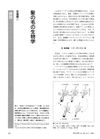 January 1998 in “KAGAKU TO SEIBUTSU”
 The document suggests that male hormones likely affect hair growth and baldness, and future treatments might involve stem cells and androgen-independent cells.
January 2014 in “프로그램북(구 초록집)” Laser and light treatments show promise for hair growth but need more research.
Balding hair follicles have reduced growth factors and increased inhibitory factors, suggesting new treatment paths for hair loss.
June 2022 in “Dermatologic Therapy” Oral minoxidil and growth factors improved hair density and thickness in a girl with hereditary hair loss.
Cellcurin serum significantly increased hair growth in people with androgenetic alopecia.
 November 2021 in “Research Square (Research Square)”
 3D spheroid cultures of human hair follicle cells are better for hair growth research than 2D cultures, and they provide new insights into how hair growth treatments like minoxidil and TCQA work.
The document concludes that measuring hair density, shaft diameter, growth rate, and anagen:telogen ratio is important for assessing hair growth treatments.