 May 2011 in “Value in Health”
 CP-690,550 significantly reduced itching in patients with moderate-to-severe plaque psoriasis.
 4 citations
,
June 2005 in “British Journal of Dermatology”
4 citations
,
June 2005 in “British Journal of Dermatology” People often underestimate hair loss severity, with fewer seeking treatment, and it's more distressing for women.
71 citations
,
May 2019 in “Rheumatology” Tph cells are linked to the severity of systemic lupus erythematosus.
40 citations
,
October 2012 in “Journal of the American Academy of Dermatology” CLASI is a valid tool for assessing skin activity and damage in lupus patients.
21 citations
,
February 2024 in “JAMA Dermatology” Alopecia areata severity is influenced by factors like long disease duration, relapses, treatment response, and mental health, leading to the creation of a new severity measurement tool.
1 citations
,
April 2025 in “Skin Appendage Disorders” Alopecia areata severity is influenced by hair loss, emotional, and financial burdens.
 June 2024 in “Archives of Dermatological Research”
 Higher blood sugar levels may lead to more severe hair loss in women.
 July 2023 in “Dermatology practical & conceptual”
 The machine learning model effectively assesses the severity of hair loss and could help dermatologists with treatment decisions.
Hair loss after COVID-19 is common, starts sooner in severe cases, and often comes with scalp pain.
 January 2016 in “Ankara Üniversitesi Tıp Fakültesi mecmuası”
 Severe hair loss (androgenetic alopecia) is linked to higher risk of heart disease (cardiovascular atherosclerosis).
 1 citations
,
December 2022 in “JAMA Dermatology”
1 citations
,
December 2022 in “JAMA Dermatology” The AI system HairComb accurately scores hair loss severity, matching dermatologist assessments.
 August 2025 in “American Journal of Clinical Dermatology”
 Clinicians should use evidence-based tools and consider mental health when assessing alopecia areata to guide treatment.
 5 citations
,
February 2014 in “PubMed”
5 citations
,
February 2014 in “PubMed” The document concludes that objective methods are important for diagnosing different types of alopecia and monitoring treatment, and standardizing these techniques is necessary.
 December 2022 in “International Journal of Biomedicine”
 Androgens may worsen COVID-19 and hair loss could indicate the disease's severity.
 121 citations
,
November 2020 in “Endocrine”
121 citations
,
November 2020 in “Endocrine” Male hormones like testosterone may make COVID-19 worse, and testing for sensitivity to these hormones could help predict how severe a patient's symptoms might be. Treatments that reduce these hormones are being explored.
5 citations
,
January 2024 in “Journal of Primary Care & Community Health” Long COVID symptoms vary and are influenced by personal and health factors.
 October 2025 in “Dermatology Practical & Conceptual”
 Severe COVID-19 often leads to hair loss in India.
 March 2021 in “Journal of Evolution of Medical and Dental Sciences”
 Chemotherapy causes hair loss, nausea, fatigue, and blood issues, but counseling can help manage these effects.

Men with higher body mass index (BMI) in Taiwan tend to have more severe hair loss.
 June 2005 in “British Journal of Dermatology”
 Women find hair loss more distressing than men and often underestimate it, needing more public awareness and professional support.
Weight loss and low folic acid levels after sleeve gastrectomy can predict hair loss severity.
The modified Sinclair scale effectively measures hair loss severity in men.
 July 2024 in “Medical alphabet”
 The SBN system effectively assesses alopecia areata severity and predicts its course.

Patients and doctors often agree on the severity of eyebrow and eyelash hair loss in severe alopecia areata.
September 2023 in “International Journal of Trichology” More severe alopecia areata is linked to more follicular stelae, but not to treatment response.
May 2021 in “Journal of the Endocrine Society” Female pattern hair loss severity is linked to physical signs of high androgens, not blood hormone levels.
 2 citations
,
February 2022 in “Menopause”
2 citations
,
February 2022 in “Menopause” Over half of postmenopausal women experience hair loss, with severity increasing with age, time since menopause, and higher body mass index.
 March 2026 in “SKIN The Journal of Cutaneous Medicine”
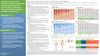
 All parts of the CLASI-A score are important for assessing skin activity in cutaneous lupus erythematosus.
 January 2025 in “International Journal of Trichology”
 Severe hair loss may increase the risk of dying from COVID-19.
December 2024 in “Value in Health” A comprehensive approach is needed to accurately assess alopecia areata severity and guide treatment decisions.