 June 2026 in “Research Square”
 THBS4 helps hair grow by activating hair follicle stem cells.
May 2026 in “Biotechnology and Bioengineering” 3D bioprinting shows promise for hair regeneration but faces challenges in clinical application.
 April 2026 in “Zenodo (CERN European Organization for Nuclear Research)”
 Hair follicles can be used to deliver drugs effectively, especially using nanoparticles, for treating skin conditions.
 April 2026 in “Zenodo (CERN European Organization for Nuclear Research)”
 Hair follicles can be used to deliver drugs effectively, especially with nanoparticles, for treating skin conditions.
 October 2025 in “Journal of Translational Medicine”
 Combining biomaterials and cell pathways can improve hair follicle regeneration.
July 2025 in “Bioactive Materials” New engineering methods show promise for regenerating hair follicles using stem cells and advanced technologies.
Organoids can sustainably produce advanced materials with superior properties, offering solutions to global challenges.
18 citations
,
March 2023 in “Molecular Therapy — Nucleic Acids” Mechanical stimuli and CCL2 can help regenerate hair follicles in adult mice.
 2 citations
,
January 2020 in “Methods in molecular biology”
2 citations
,
January 2020 in “Methods in molecular biology” Scientists created early-stage hair follicles from human skin cells, which could help treat baldness and study hair growth.
34 citations
,
July 2018 in “Veterinary Dermatology” A new method to study dog skin diseases using lab-grown skin cells was developed.
5 citations
,
January 2021 in “Frontiers in cell and developmental biology” Skin cysts might help advance stem cell treatments to repair skin.
 2 citations
,
December 2022 in “Journal of Biochemistry and Molecular Biology”
2 citations
,
December 2022 in “Journal of Biochemistry and Molecular Biology” Organoids created from stem cells are used to model diseases, test drugs, and develop personalized and regenerative medicine.
 1 citations
,
July 2021 in “Organoid (Online)”
1 citations
,
July 2021 in “Organoid (Online)” Organoid technology is advancing and entering commercial use, with applications in disease modeling, drug development, and personalized medicine.
 September 2024 in “International Journal of Molecular Sciences”
 Hydrangea serrata extract may promote hair growth and improve hair health.
January 2022 in “Institutional Repositories DataBase (IRDB)” Pen-type microwells are best for forming hair follicle germ structures.
16 citations
,
November 2020 in “In Vitro Cellular & Developmental Biology - Animal” Microfollicles can effectively model human hair follicles for research and testing.
September 2025 in “OPAL (Open@LaTrobe) (La Trobe University)” 7DHC and BM15766 damage hair follicle structure and reduce key gene expression.
May 2025 in “World Journal of Biology Pharmacy and Health Sciences” Butterfly pea flower is beneficial for hair serum due to its antioxidant and pigmenting properties.
 January 2022 in “Stem cell biology and regenerative medicine”
 New biofabrication technologies could lead to treatments for hair loss.
 149 citations
,
July 2017 in “PLoS Biology”
149 citations
,
July 2017 in “PLoS Biology” Hair follicle patterns form through a mix of self-organization and signaling interactions.
 March 2024 in “Advanced healthcare materials/Advanced Healthcare Materials”
 Scientists developed a new way to create skin-like structures from stem cells using a special 3D gel and a device that improves cell organization and increases hair growth.
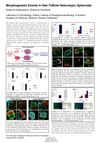
Researchers developed a method to create artificial hair follicles that may help with hair loss treatment and research.

mEphA1 receptor tyrosine kinase is important for skin and hair development and may play a role in certain diseases.
 129 citations
,
May 2015 in “Cell Stem Cell”
129 citations
,
May 2015 in “Cell Stem Cell” Different types of stem cells exist within individual skin layers, and they can adapt to damage, transplantation, or tumor growth. These cells are regulated by their environment and genetic factors. Tumor growth is driven by expanding, genetically altered cells, not long-lived mutant stem cells. There's evidence of cancer stem cells in skin tumors. Other cells, bacteria, and genetic factors help maintain balance and contribute to disease progression. A method for growing mini organs from single cells has been developed.
November 2022 in “Journal of Investigative Dermatology” NCSTN gene mutation causes abnormal skin cell differentiation and more inflammation, contributing to Hidradenitis Suppurativa.
January 2011 in “Hispania Judaica bulletin” Mechanical forces are crucial for hair regeneration in skin organoids.
 October 2023 in “bioRxiv (Cold Spring Harbor Laboratory)”
 Immune cells are essential for early hair and skin development and healing.
 July 2025 in “bioRxiv (Cold Spring Harbor Laboratory)”
 A new Wnt surrogate specifically targets the Frizzled7 receptor, promoting organoid formation and hair growth.
June 1967 in “Journal of Cellular Physiology” The 3D hair follicle model improves understanding of hair growth and drug testing.
1 citations
,
July 2025 in “Stem Cell Research & Therapy” Stem cell technology may improve hair loss treatments by providing more effective and personalized options.