 13 citations
,
January 2007 in “Epilepsia”
13 citations
,
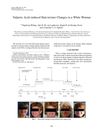
January 2007 in “Epilepsia” Valproic acid can cause reversible hair curling and persistent hair thinning.
September 2021 in “Zenodo (CERN European Organization for Nuclear Research)” Chemotherapy side effects might help treat autoimmune hair loss.
June 2026 in “British Journal of Dermatology” Menopause often causes hair changes, and many women need better support and information.
 August 2018 in “Journal of the American Academy of Dermatology”
 Patients often experience long-lasting changes to their hair after stem cell transplants.
 53 citations
,
April 2018 in “Journal of The American Academy of Dermatology”
53 citations
,
April 2018 in “Journal of The American Academy of Dermatology” Cancer treatments often cause hair disorders, significantly affecting patients' quality of life, and better management methods are needed.
48 citations
,
September 2010 in “PubMed” Chemotherapy often causes hair loss, which is distressing for many, but usually reversible.
32 citations
,
May 2016 in “European journal of dermatology/EJD. European journal of dermatology” Targeted therapies for advanced skin cancer often cause hair and nail problems, which need managing to avoid changing the treatment dose.
6 citations
,
March 1986 in “PubMed” Valproic acid can cause weight gain and hair texture changes.
5 citations
,
January 2016 in “Clinical psychopharmacology and neuroscience/Clinical Psychopharmacology and Neuroscience” Valproate can cause rare hair curling in some patients.
 November 2011 in “Informa Healthcare eBooks”
 Environmental, chemical, mechanical, and personal health factors can all damage hair and contribute to hair loss or changes in hair quality.
 14 citations
,
April 2022 in “Climacteric”
14 citations
,
April 2022 in “Climacteric” Menopause causes dry skin, wrinkles, and hair changes, with hormone therapy helping but not recommended just for these issues.
1 citations
,
January 2009 in “Elsevier eBooks” Laser hair removal can be effective for darker skin but requires careful use to avoid side effects.
 2 citations
,
September 2021 in “International Journal of Ayurvedic Medicine”
2 citations
,
September 2021 in “International Journal of Ayurvedic Medicine” Despite adverse effects, people continue using hair dyes for aesthetic reasons, highlighting the need for safer options.
May 2015 in “Journal of the American Academy of Dermatology” New hair after alopecia areata can be thinner and change color but usually keeps the same shape.
 July 2018 in “Elsevier eBooks”
 Some drugs can cause reversible hair loss, but certain chemotherapy drugs may lead to permanent hair loss; drugs can also change hair color and texture.
 25 citations
,
January 2011 in “Annals of Dermatology”
25 citations
,
January 2011 in “Annals of Dermatology” Erlotinib can cause hair loss as a side effect.
5 citations
,
June 2012 in “PubMed” Valproic acid can cause a skin condition called leukocytoclastic vasculitis, which usually gets better after stopping the drug.
 January 2021 in “Journal of Cancer Therapy”
 Tyrosine Kinase Inhibitors are effective against cancer but can cause skin, digestive, and blood side effects, including hair loss.

New cancer drugs can cause skin side effects like rashes, dry skin, hair changes, and nail problems.
July 2024 in “JAAD Case Reports” Autoimmune diseases can change hair texture, but treatment can restore it.
 78 citations
,
September 2008 in “International Journal of Cosmetic Science”
78 citations
,
September 2008 in “International Journal of Cosmetic Science” The document concludes that various clinical methods are used to assess ageing skin and the effectiveness of anti-ageing products.
11 citations
,
January 2018 in “International journal of trichology” Valproate can cause hair loss and changes in hair appearance, but may help regrow hair when applied topically.
1 citations
,
November 2023 in “Biomedicines” Menopause can cause hair thinning and texture changes due to hormonal and metabolic shifts.
 16 citations
,
October 2012 in “British Journal of Dermatology”
16 citations
,
October 2012 in “British Journal of Dermatology” Chemotherapy can cause significant hair thinning and changes in hair texture, while tamoxifen has a smaller effect.
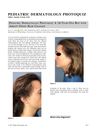 September 2017 in “Pediatric Dermatology”
 A 14-year-old boy was diagnosed with a rare hair condition that may lead to hair thinning and has no known effective treatments.
 43 citations
,
November 2007 in “Dermatologic Clinics”
43 citations
,
November 2007 in “Dermatologic Clinics” Hair and nail changes can indicate health issues, including cancer and side effects from cancer treatments.
7 citations
,
July 2011 in “Archives of Dermatology” Alopecia areata caused a boy's hair to regrow straight instead of curly, but the exact reason is unknown.
May 2010 in “Faculty Opinions – Post-Publication Peer Review of the Biomedical Literature” A mutation in the KRT74 gene causes woolly hair by affecting hair texture.
May 2010 in “Faculty Opinions – Post-Publication Peer Review of the Biomedical Literature” A mutation in the KRT74 gene causes woolly hair by affecting hair texture.
 12 citations
,
February 2006 in “Lipids”
12 citations
,
February 2006 in “Lipids” Hair texture changes with age due to varying levels of lipids.