October 2025 in “Skin Health and Disease” Photothermal conditioning of PRP shows promise for improving hair growth but needs more research for confirmation.
 September 2025 in “Frontiers in Cell and Developmental Biology”
 Retinoic acid may help heal skin without scars by reducing fibrosis and supporting skin regeneration.
 September 2025 in “PubMed”
 Mechanical stimulation and new therapies show promise for hair regrowth.
August 2025 in “Biomolecules” Fibroblast growth factors could be a better, safer treatment for hair loss than current options.
 August 2025 in “Scientific Reports”
 Hair follicle transplantation speeds up wound healing in diabetic mice.
 July 2025 in “ACS Pharmacology & Translational Science”
 Maslinic acid from olive extracts promotes hair growth like minoxidil.
 July 2025 in “World Journal of Stem Cells”
 Stem cell-derived exosomes could be a promising new treatment for hair regrowth.

Germinated perilla seeds can naturally promote hair growth and prevent hair loss.
July 2025 in “Frontiers in Pharmacology” G-1 promotes hair growth in female mice by activating specific signaling pathways.
July 2025 in “Bioactive Materials” New engineering methods show promise for regenerating hair follicles using stem cells and advanced technologies.
 July 2025 in “Bulgarian Portal for Open Science”
 Granulation and epithelialization are crucial for healing large skin wounds.
 July 2025 in “Dermatologica Sinica”
 Glycyrrhizin may help regrow hair by activating a specific pathway.
 July 2025 in “Clinical Dermatology Review”
 PRP significantly boosts hair growth in androgenic alopecia patients.
 June 2025 in “Stem Cell Research & Therapy”
 Understanding hair growth pathways can lead to better hair loss treatments.
 June 2025 in “Theranostics”
 Rapamycin-primed exosomes can significantly boost hair regrowth.
 June 2025 in “Journal of Cluster Science”
 Metal nanoparticles show promise for treating hair loss but need more research to ensure safety.
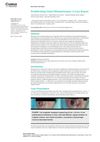
Recognizing and fully removing giant pilomatrixomas is crucial to prevent them from becoming cancerous.

New hair regrowth therapies show promise but need more research.
 May 2025 in “International Journal of Molecular Sciences”
 Exosomes from rat hair follicle stem cells may help heal wounds and regenerate skin.
 April 2025 in “Diagnostics”
 Managing inflammation and using vitamins can improve PRP therapy for better hair growth.
April 2025 in “Cosmetics” The shampoo improves hair thickness, density, and reduces hair loss.
 April 2025 in “Natural Product Communications”
 Angelica sinensis and Ligusticum sinense essential oils promote hair growth safely.
 March 2025 in “World Journal of Stem Cells”
 Stem cell exosomes may help treat hair loss by promoting hair growth.
 February 2025 in “Revista Eletrônica Acervo Saúde”
 Thyroid tuberculosis can cause hypothyroidism and should be considered when diagnosing cervical masses.
 January 2025 in “Hospital Pharmacology - International Multidisciplinary Journal”
 Medications can cause eye problems, so regular eye check-ups are important.
January 2025 in “Arquivo Brasileiro de Medicina Veterinária e Zootecnia” Agoutis in captivity have more resting (telogen) hairs than growing (anagen) hairs, regardless of season or gender.
Current hair regeneration methods show promise but face challenges in maintaining cell effectiveness and creating the right environment for hair growth.
 December 2024 in “PLoS ONE”
 Hair growth serums A and C can affect hair growth genes and pathways, suggesting potential for personalized hair loss treatments.
 September 2024 in “Electronic Journal of General Medicine”
 Diagnosing Sertoli-Leydig cell tumors is challenging due to their unusual symptoms and can occur at any age.
 August 2024 in “Journal of Cutaneous and Aesthetic Surgery”
 Microneedling radiofrequency significantly improves hair growth with minimal side effects.