 81 citations
,
June 2014 in “Cold Spring Harbor perspectives in medicine”
81 citations
,
June 2014 in “Cold Spring Harbor perspectives in medicine” Skin has specialized touch receptors that can tell different sensations apart.
 5 citations
,
January 2017 in “Elsevier eBooks”
5 citations
,
January 2017 in “Elsevier eBooks” The document concludes that cosmetics need biocompatible, eco-friendly ingredients due to aging populations and demand for effective products.
 June 2026 in “Preprints.org”
 Atorvastatin in a keratin hydrogel may help treat skin scars effectively.
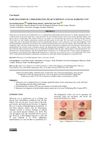 March 2022 in “Folia Medica Indonesiana”
 The lump on a woman's scalp was a rare, potentially cancerous tumor from the hair follicle, not a common cyst.
3 citations
,
January 2016 NuMA-microtubule interactions are crucial for proper skin structure and hair growth.
1 citations
,
December 2020 The skin is the body's largest organ, with layers, cells, and structures that protect and support it.
1 citations
,
June 2015 in “Experimental Dermatology” Fat may help skin health and repair, but more research is needed.
 August 2019 in “Journal of Investigative Dermatology”
 Frog skin cells need the protein desmoplakin for proper development and cell layer formation.
 7 citations
,
March 2014 in “ISRN Biomaterials”
7 citations
,
March 2014 in “ISRN Biomaterials” Keratin hydrogel from human hair helps rats recover better from spinal cord injuries.
 April 2018 in “Journal of Investigative Dermatology”
 STIM1 is essential for sweat secretion.

Advances in RNA research and skin models offer hope for better skin healing without scarring.
May 2026 in “Advanced Materials Interfaces” The new coating protects and strengthens hair while improving its properties.
 August 1994 in “Journal of dermatological science”
 Different substances affect hair and skin cell growth in various ways.
21 citations
,
September 1968 in “Cancer” Citrulline in certain skin tumors suggests they mimic hair growth, helping distinguish them from other cancer types.
105 citations
,
December 1998 in “Archives of Dermatological Research” Dermal papilla cells mainly drive blood vessel growth in hair follicles.
2 citations
,
July 2025 in “Journal of Plastic Reconstructive & Aesthetic Surgery” Hair follicles can improve wound healing and reduce scarring.
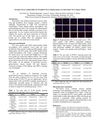
Keratin gel may help repair damaged nerves.
 16 citations
,
October 2014 in “Oral surgery, oral medicine, oral pathology and oral radiology”
16 citations
,
October 2014 in “Oral surgery, oral medicine, oral pathology and oral radiology” Keratoacanthoma comes from hair follicle cells.
84 citations
,
August 2013 in “Journal of Cellular Biochemistry” Human Wharton's jelly stem cells improve wound healing.
 August 1994 in “Journal of dermatological science”
 Different substances affect hair and skin cell growth in various ways, with some promoting and others inhibiting cell proliferation.
19 citations
,
January 2023 in “Frontiers in Bioengineering and Biotechnology” MSC-sEVs may effectively treat chronic non-healing wounds.
14 citations
,
January 2019 in “Advances in experimental medicine and biology” Skin stem cells are promising for healing wounds and skin regeneration due to their accessibility and regenerative abilities.
 April 2017 in “Journal of Investigative Dermatology”
 Blood cells turned into stem cells can become skin cells similar to normal ones, potentially helping in skin therapies.

Human hair follicle cells can be turned into stem cells that may help clone hair for treating hair loss or burns.
 June 2020 in “The journal of investigative dermatology/Journal of investigative dermatology”
 The enzymes Tet1, Tet2, and Tet3 are important for the development of hair follicles and determining hair shape by controlling hair keratin genes.
 55 citations
,
May 2017 in “Current stem cell research & therapy”
55 citations
,
May 2017 in “Current stem cell research & therapy” Using fat-derived stem cells for hair loss treatment is safe and effective, improving hair growth and patient satisfaction.

Treating vitiligo with stem cells and melanocytes from hair, along with UVB light, works better than without the light.
 396 citations
,
May 2011 in “Cell stem cell”
396 citations
,
May 2011 in “Cell stem cell” Nerve signals are crucial for hair follicle stem cells to become skin stem cells and help in wound healing.
 70 citations
,
December 2004 in “Differentiation”
70 citations
,
December 2004 in “Differentiation” The study identified and characterized new keratin genes linked to hair follicles and epithelial tissues.
 58 citations
,
March 2019 in “Experimental Dermatology”
58 citations
,
March 2019 in “Experimental Dermatology” Exosomes from human skin cells can stimulate hair growth and could potentially be used for treating hair loss.