Bee venom acupuncture therapy can promote hair growth and may help treat hair loss.
 January 2011 in “Medicina interna de México”
 The document concludes that treating the underlying causes of telogen effluvium usually results in hair regrowth.
Metabolic processes and key genes like FGF5, FGFR1, and RRAS significantly affect hair follicle growth in Inner Mongolian Cashmere goats.
January 2010 in “China Animal Husbandry & Veterinary Medicine” RORs may influence cashmere growth cycles.
January 2008 in “Chinese bulletin of Life sciences” Epidermal stem cells help renew skin and regenerate hair follicles.
Hair follicles influence blood vessels during hair growth, suggesting potential treatments for hair growth issues.
January 2002 in “Journal of the Korean Medical Association” Recent research has provided important insights into hair growth and hair loss treatments.
December 2001 in “中華皮膚科醫學雜誌” An 18-year-old boy had a harmless skin nodule near his nose with hair and oil glands inside.
 November 1995 in “Journal of Pediatric Health Care”
 Most hair loss in kids and teens is due to common conditions, and hair usually grows back within 6 months.
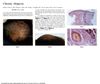 June 1995 in “Archives of Dermatology”
 A woman's hair loss was due to trichotillomania, which is often misdiagnosed and can require different treatments based on age and underlying conditions.
 July 1980 in “Journal of The American Academy of Dermatology”
 The conference concluded that understanding hair and nail disorders is important, iron deficiency may be linked to hair loss, and while some treatments for skin conditions are effective, they may have risks and high costs.
 June 2023 in “Livestock studies”
 The article concludes that understanding the molecular processes in hair follicle development can improve the quality of fibers like Angora and cashmere.
 November 2021 in “Austin therapeutics”
 Current treatments for hair loss from chemotherapy are limited, but new methods are being researched.
 June 2021 in “Journal of Emerging Technologies and Innovative Research”
 Rice water and hibiscus can help improve hair health and growth.
 September 2017 in “Journal of Investigative Dermatology”
 Hair follicle cells change their DNA packaging during growth cycles and when grown in the lab.
Minoxidil and a solvent mixture can prevent hair loss caused by chemotherapy in mice.
June 2026 in “American Journal of Dermatopathology” Regulatory T cells play a key role in different types of hair loss.
Barbers trained in hair loss can better support and refer clients with alopecia.
January 2021 in “Faculty of 1000 Research Ltd” Combining SVF cells with PRP may boost hair growth in androgenic alopecia.
January 2021 in “Hair therapy & transplantation” Telogen effluvium causes temporary hair loss, but new hair still grows.
January 2014 in “Ghent University Academic Bibliography (Ghent University)” FGF18 may influence hair loss in dogs.
January 2009 in “Revista de Ciências Médicas” Male pattern baldness is a genetic condition causing hair loss, with limited but improving treatment options.
 July 2020 in “Bioinformatics and Bioengineering”
 Found key genes affecting hair loss, immune response, and skin development; more research needed for better treatments.
August 2014 in “Journal of drug discovery and therapeutics” Topical minoxidil and oral finasteride can help regrow hair in androgenetic alopecia.
 November 2005 in “NEJM Journal Watch”
 Hair count is important to distinguish between genetic hair thinning (Androgenetic Alopecia) and hair thinning caused by disrupted hair growth (Chronic Telogen Effluvium).
May 2020 in “International journal of molecular biology” Mutations in the AR gene cause hair thinning and loss.
May 2021 in “F1000Research” The treatment led to denser, thicker hair growth and less hair loss.
 September 1997 in “Journal of The European Academy of Dermatology and Venereology”
 New treatment improves male hair loss.
 3 citations
,
October 2023 in “Military Medical Research/Military medical research”
3 citations
,
October 2023 in “Military Medical Research/Military medical research” Regulatory T cells help heal skin and grow hair, and their absence can lead to healing issues and hair loss.
185 citations
,
January 2010 in “Experimental Dermatology” Probiotics may help reduce stress-related skin issues and improve hair growth.