December 2006 in “Cancer Epidemiology and Prevention Biomarkers” Primary care doctors rarely use cancer prevention drugs due to concerns about side effects, costs, and effectiveness.
 1 citations
,
January 2024 in “Archives of Endocrinology and Metabolism”
1 citations
,
January 2024 in “Archives of Endocrinology and Metabolism” Self-assessed hirsutism scores are not reliable for clinical diagnosis but may help in screening.
 August 2025 in “American Journal of Clinical Dermatology”
 Clinicians should use evidence-based tools and consider mental health when assessing alopecia areata to guide treatment.
 July 2022 in “Journal of Investigative Dermatology”
 The conclusion suggests that a new system for measuring hair loss could be created using automated analysis of photographs.
 10 citations
,
November 2015 in “American Journal of Primatology”
10 citations
,
November 2015 in “American Journal of Primatology” Monkeys with more anxious or inhibited temperaments tend to have less hair loss.
June 2026 in “British Journal of Dermatology” Alopecia areata patients face significant mental distress, but psychological support is lacking.
February 2026 in “Australasian Journal of Dermatology” A new tool simplifies alopecia areata severity scoring but needs validation.
3 citations
,
January 2024 in “Revista da Associação Médica Brasileira” Women with PCOS are more likely to have depression and anxiety.
 20 citations
,
February 2022 in “British Journal of Dermatology”
20 citations
,
February 2022 in “British Journal of Dermatology” People with alopecia areata have a higher risk of depression and anxiety, and often face unemployment and work absences.
14 citations
,
February 2022 in “Journal of Pain and Symptom Management” HIV symptoms often occur together and cause similar distress.
2 citations
,
July 2025 in “Consilium Medicum” Using temgikoluril with alopecia treatment reduces anxiety and improves satisfaction.
January 2007 in “UNIFESP Institutional Repository (Universidade Federal de São Paulo)” Addressing anxiety and mood disorders is crucial to reduce medication overuse in chronic migraine patients.
 January 2023 in “Siriraj Medical Journal”
 Listening to music can help reduce anxiety before hair transplant surgery.
1 citations
,
July 2025 in “Journal of the National Medical Association” Alopecia areata patients often face mental health issues like anxiety and depression.
 30 citations
,
September 2020 in “Journal of Patient-Reported Outcomes”
30 citations
,
September 2020 in “Journal of Patient-Reported Outcomes” Alopecia Areata (AA) causes significant emotional distress, including feelings of embarrassment, depression, and anxiety, and impacts social interactions and daily activities.
 March 2024 in “Clinical, cosmetic and investigational dermatology”
 Severe alopecia areata greatly impacts quality of life, mental health, and daily activities.
Female rats showed more panic-related behavior than males, influenced by hormonal cycles and certain drugs.
5 citations
,
February 2023 in “Skin Health and Disease” The Swedish Hairdex-S is a reliable tool for assessing quality of life in Alopecia Areata patients.
 February 2024 in “Psychoneuroendocrinology”
 Higher anxiety during pregnancy is linked to lower cortisol levels in newborns' hair.
 February 2026 in “PubMed”
 Finasteride withdrawal causes anxiety-like behavior in male rats.
 2 citations
,
October 2023 in “Dermatology and therapy”
2 citations
,
October 2023 in “Dermatology and therapy” Alopecia areata severely impacts quality of life, causing anxiety, depression, and work impairment.
Women with PCOS, especially with hirsutism, should be screened for depression and anxiety.
 April 2024 in “JOURNAL OF Mental Health Concerns”
 Self-affirmation therapy significantly reduces student anxiety before presentations.
The modified Sinclair scale effectively measures hair loss severity in men.
 10 citations
,
June 2010 in “Fertility and Sterility”
10 citations
,
June 2010 in “Fertility and Sterility” Patients with PCOS tend to score their hirsutism higher than clinicians, making self-scoring less useful for diagnosis.
 October 2023 in “The Journal of Dermatology”
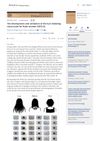
 The HSVS-A is an effective tool for quickly screening hair shedding in Asian women.
5 citations
,
May 2024 in “Australasian Journal of Dermatology” Alopecia areata significantly affects emotional well-being and daily activities, suggesting a need for patient-centered care.
14 citations
,
June 2022 in “British Journal of Dermatology” A SALT score of ≤ 20 indicates meaningful improvement in alopecia areata treatment.
29 citations
,
December 2022 in “Dermatology and Therapy” Emotional symptoms from alopecia areata reduce work productivity and daily activity.
1 citations
,
April 2025 in “Skin Appendage Disorders” Alopecia areata severity is influenced by hair loss, emotional, and financial burdens.