 December 2024 in “African Journal of Biomedical Research”
 Combining lifestyle changes and medication is most effective for managing PCOS symptoms.

Certain plasma proteins are linked to prostate cancer risk and could help in early detection and treatment.
 February 2024 in “Journal of Education, Health and Sport”
 Different treatments for PCOS should be tailored to the individual, including lifestyle changes and various medications.
 January 2024 in “American journal of clinical dermatology”
 Ritlecitinib is safe and well-tolerated for treating alopecia areata in patients aged 12 and older.
 January 2024 in “Wiadomości Lekarskie”
 Urban children in western Belarus had more severe COVID-19 cases in 2021.
 January 2024 in “Wiadomości Lekarskie”
 Advanced care at home is shaping the future of hospital medicine.
 January 2024 in “Wiadomości Lekarskie”
 Interdisciplinary treatment is crucial for effective recovery from facial skull injuries.
 January 2024 in “Wiadomości Lekarskie”
 Early lung cancer screening in Ontario reduces deaths and is cost-effective.
 January 2024 in “Wiadomości Lekarskie”
 Thyroid disorders, especially autoimmune ones, are very common in the studied group.
 January 2024 in “Wiadomości Lekarskie”
 The ABI1 gene contributes to prostate cancer progression and treatment resistance.
 January 2023 in “International journal of medical science and health research”
 Anovulatory PCOS patients are younger with longer cycles and higher blood pressure and hormone levels.
 September 2022 in “Research Square (Research Square)”
 Probiotics and synbiotics may help with PCOS symptoms, but more research is needed.
 March 2022 in “Scientific Journal of Kurdistan University of Medical Sciences”
 Oral contraceptives with desogestrel and drospirenone improve PCOS symptoms.
 February 2022 in “Journal of Armed Forces Medical College”
 The patient with autoimmune hypothyroidism improved after treatment for thyroid and associated conditions.
 January 2022 in “International journal of zoological investigations”
 Polycystic Ovarian Syndrome is common in overweight urban college girls and may increase the risk of heart and metabolic problems.
 July 2020 in “International Journal of Research”
 High testosterone increases heart disease risk in women with PCOS.
 January 2020 in “Sumatera Medical Journal”
 Family history and stress are linked to early hair graying, with family history being the main factor.
 January 2020 in “Research Square (Research Square)”
 Skin tags in severely obese people may indicate higher blood pressure and diabetes risk.
 January 2020 in “Indian Journal of Pharmaceutical Sciences”
 Kuntai capsules combined with nilestriol tablets effectively reduce perimenopausal symptoms and improve hormone levels.
 October 2018 in “Journal of Clinical Research in Pediatric Endocrinology”
 Children with classic congenital adrenal hyperplasia have thicker heart fat and more heart and blood vessel risk factors, especially if their condition is not well-controlled.
 September 2018 in “Fertility and Sterility”
 High levels of testosterone and anti-Müllerian hormone before pregnancy are linked to a higher risk of newborns needing intensive care.
 April 2017 in “Journal of Investigative Dermatology”
 Researchers created a skin graft that senses blood glucose and could treat diabetes using CRISPR-edited stem cells.
 January 2015 in “Side effects of drugs annual”
 The document concludes that sex hormones and related compounds have various effects on health, with both potential benefits and risks.

Higher cholesterol levels increase aggressive prostate cancer risk.
 September 2012 in “African Journal of Urology”
 Testosterone replacement therapy improves libido, mood, muscle strength, and bone density in men with Testosterone Deficiency Syndrome.
 September 2011 in “Clinical Biochemistry”
 Glycoconjugates help heal hair follicles during skin repair.

Tacrolimus causes fewer acute rejections than cyclosporin A in kidney transplants but doesn't necessarily improve kidney function after one year; cardiovascular risks and side effects vary between the two drugs.
 January 1986 in “Journal of Steroid Biochemistry”
 Women with severe acne, hirsutism, and androgenic alopecia often have higher levels of certain androgens, but the specific pattern can't be predicted just by looking at symptoms.

Men with androgenetic alopecia may have a higher risk of metabolic syndrome.
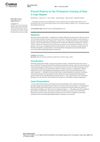
A 32-year-old man with early graying hair shows a unique pattern, suggesting more research is needed on why hair grays early.