 1 citations
,
November 2020 in “Biochemical Society transactions”
1 citations
,
November 2020 in “Biochemical Society transactions” Different types of skin stem cells can change and adapt, which is important for developing new treatments.
 March 2026 in “Frontiers in Cell and Developmental Biology”
 Photobiomodulation may help reduce pain and inflammation in knee osteoarthritis, but its long-term benefits are unclear.
 February 2026 in “American Journal of Clinical Dermatology”
 Radiotherapy can cause skin fibrosis, which is often overlooked and needs better treatment and evaluation.

The treatment showed limited success in repigmenting hair for vitiligo-associated leukotrichia.
 January 2026 in “Frontiers in Bioscience-Landmark”
 Araliadiol protects skin cells from damage by boosting antioxidant defenses.
 January 2026 in “Asian Journal of Pharmaceutical and Clinical Research”
 Umbilical cord and cord blood stem cells are promising for treating chronic diseases due to their versatility and ethical acceptability.
 December 2025 in “Journal of Pakistan Association of Dermatologists”
 Stopping afatinib improved a rare scalp condition in a patient.
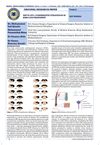 November 2025 in “PARIPEX-INDIAN JOURNAL OF RESEARCH”
 GFC is more effective than PRP for treating hair loss.
 September 2025 in “Universal library of medical and health sciences.”
 Permanent makeup can effectively restore lip shape and color after tissue loss, improving appearance and well-being.
 September 2025 in “Cureus”
 There is no standard treatment for CCCA, and practices vary widely.
 September 2025 in “Drug Design Development and Therapy”
 Combining platelet-rich products, biomaterials, and bioactive substances may improve skin treatment, but more research is needed.
 March 2025 in “Dental Journal (Majalah Kedokteran Gigi)”
 The sponge effectively controls bleeding and prevents infection after tooth extraction.
 January 2025 in “Medical Research Archives”
 Low-level laser therapy can help with inflammation but isn't widely accepted yet.
 January 2025 in “International Journal of Dermatology Venereology and Leprosy Sciences”
 Obesity worsens skin health and losing weight can improve skin conditions.
 April 2024 in “Cell death and differentiation”
 Cell death shapes skin stem cell environments, affecting inflammation, repair, and cancer.
 January 2024 in “Frontiers in immunology”
 Histone modification is key in treating chronic inflammatory skin diseases.
 December 2023 in “Journal of materials chemistry. B”
 A new nanoemulsion increases oxygen for hair cells, leading to better hair growth.
 November 2023 in “Frontiers in pharmacology”
 Drug repositioning offers hope for new, affordable treatments for a genetic skin disorder called ARCI.
 November 2023 in “International Journal of Medical Case Reports and Reviews”
 PRP shows promise in tissue repair but its effectiveness in otolaryngology is still debated.
 September 2023 in “Frontiers in medicine”
 The mTOR signaling pathway is crucial for hair health and targeting it may lead to new hair loss treatments.
 May 2023 in “Current Applied Science and Technology”
 Higher power CO2 laser causes more severe skin burns and damage.
 January 2022 in “European Proceedings of Life Sciences”
 Understanding genetic traits can help doctors create personalized detox and nutrition plans to boost antioxidant protection.

Human hair keratins can be turned into useful 3D biomedical scaffolds through a freeze-thaw process.
 January 2020 in “Majalah Kedokteran Gigi Indonesia”
 Freeze-drying collagen-activated PRP increases TGF-β1 levels, enhancing tissue regeneration potential.
 January 2014 in “Durham e-Theses (Durham University)”
 Notch1 helps skin heal by attracting cells that aid repair.

Hair follicles can be used to quickly assess drug effects in cancer treatment.
 October 2007 in “Journal of Investigative Dermatology”
 The meeting highlighted the genetic basis of female pattern hair loss and various skin health insights.
 April 2026 in “Biomedical Research and Therapy”
 CYB5R1 and IL1A genes may be linked to different types of acne scars.
PRP may help reduce brain inflammation and protect brain cells.
 January 2022 in “Dermatology Review”
 Higher IL-31 levels are linked to worse itching in chronic kidney disease patients.