 September 2025 in “ACS Applied Materials & Interfaces”
 The new wound dressings speed up diabetic wound healing and improve tissue quality.
 December 2021 in “Jurnal ilmiah Manuntung”
 The best hair growth results were achieved with a hair tonic containing 5% gotu kola extract and 0.04% garlic extract.
 October 2020 in “Journal of bio innovation”
 DanEraTM hair tonic effectively treats dandruff and hair fall using natural ingredients.
January 2020 in “International Research Journal of Ayurveda & Yoga” January 2013 in “Victoria University Research Repository (Victoria University)” An elemental database for Chinese herbal remedies was created to explore the role of inorganic species in medicine.
11 citations
,
May 2021 in “Asian Journal of Pharmaceutical and Clinical Research” Eclipta alba (Bhringraj) helps protect the liver and promotes hair growth.
 1 citations
,
September 2022 in “Molecules”
1 citations
,
September 2022 in “Molecules” Fructus Malvae may help with diabetes, tumors, and hair loss due to its various active compounds.
 1 citations
,
March 2023 in “Applied sciences”
1 citations
,
March 2023 in “Applied sciences” Lavender, lemongrass, rosemary, and chamomile essential oils may help protect cells important for hair growth from damage and could promote hair growth.
 June 2025 in “Current Trends in Biotechnology and Pharmacy”
 The polyherbal hair tonic promotes hair growth and has antibacterial properties.
 October 2024 in “International Journal of Ayurveda Research”
 Emblica officinalis and Eclipta alba may help treat hair loss naturally.
 January 2022 in “Journal Of Biotechnology And Crop Science”
 Liquorice has medicinal benefits, including antioxidant, anti-inflammatory, antimicrobial, antiulcer, and antiviral effects.
 January 2017 in “Bulletin of Pharmaceutical Research”
 Chemical fingerprints can distinguish Eclipta prostrata from Wedelia calendulacea to prevent confusion and adulteration.
7 citations
,
August 2007 in “Journal of Biotechnology” 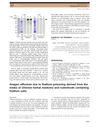 5 citations
,
June 2015 in “Journal of dermatology”
5 citations
,
June 2015 in “Journal of dermatology” A woman and her daughter had thallium poisoning from a herbal drink and rodenticide, causing hair loss and other symptoms.
 3 citations
,
February 2023 in “ACS omega”
3 citations
,
February 2023 in “ACS omega” Grape seed oil improved hair quality the most, followed by rosehip and safflower seed oils, and reduced damage from shampoo.
 1 citations
,
July 2022 in “Bandung Conference Series. Pharmacy”
1 citations
,
July 2022 in “Bandung Conference Series. Pharmacy” Hair tonic with candlenut oil promotes hair growth and meets quality standards.
 June 2026 in “Zenodo (CERN European Organization for Nuclear Research)”
 Rice and guava leaf extracts can improve hair health and reduce hair fall.
 May 2026 in “Zenodo (CERN European Organization for Nuclear Research)”
 Ziziphus mauritiana and Black Seed Oil are effective and safe natural alternatives for hair care.
 May 2026 in “Zenodo (CERN European Organization for Nuclear Research)”
 Ziziphus mauritiana and Black Seed Oil are effective and safe natural alternatives for hair care.
March 2026 in “Plant Science Today” Adenostemma lavenia leaves have potential as a standardized medicinal herb for hair loss treatment.
January 2026 in “International Journal of Pharmacy and Pharmaceutical Science” Flaxseed-olive oil formulations improve hair health and protect the scalp with strong antioxidant and antimicrobial properties.
 November 2025 in “Zenodo (CERN European Organization for Nuclear Research)”
 Croton tiglium Linn. may promote hair growth but needs careful use due to toxicity.
 November 2025 in “Zenodo (CERN European Organization for Nuclear Research)”
 Croton tiglium Linn. may promote hair growth but needs careful detoxification due to its toxicity.
 October 2025 in “Zenodo (CERN European Organization for Nuclear Research)”
 Onion oil may help hair regrowth and scalp health, but more research is needed.
 October 2025 in “Zenodo (CERN European Organization for Nuclear Research)”
 Onion oil may help with hair regrowth and scalp health, but more research is needed.
 October 2025 in “World Journal of Advanced Research and Reviews”
 Onion oil may improve hair health and regrowth.
July 2025 in “Journal of Research in Siddha Medicine” Eclipta alba extract is generally safe with mild liver and kidney changes at high doses.

Ajuga reptans L. extracts have strong antioxidant, anti-inflammatory, liver-protective, antimicrobial, and wound-healing properties.

Hair RiseTM microemulsion effectively promotes hair growth and treats hair loss better than standard treatments.
 June 2017 in “Journal of The American Academy of Dermatology”
 7.5% DEET lotion is more effective and safe at repelling mosquitoes than rosemary, citronella, and lemongrass lotions.