January 2020 in “Hair transplant forum international” Oral minoxidil helps female hair loss, topical finasteride treats AGA, and sulfotransferase activity predicts minoxidil effectiveness.
 45 citations
,
January 1981 in “Annals of Internal Medicine”
45 citations
,
January 1981 in “Annals of Internal Medicine” Minoxidil controls blood pressure effectively, but may cause side effects like hypertrichosis.
 12 citations
,
August 2017 in “Archives of Pharmacal Research”
12 citations
,
August 2017 in “Archives of Pharmacal Research” Lecithin-based microparticles can deliver minoxidil for hair growth effectively with less skin irritation.
 March 1988 in “Archives of Dermatology”
 Minoxidil therapy can help with hair regrowth, but results vary and some people are just happy to stop further hair loss.
 September 2024 in “Journal of the American Academy of Dermatology”
 Minoxidil helps hair regrowth and has anti-aging effects on hair follicles.
March 2023 in “Медицинский совет” Minoxidil works better for hair regrowth if you have higher SULT1A1 enzyme activity and ATP concentration.
 May 2015 in “Journal of The American Academy of Dermatology”
 5% minoxidil foam helps women with thinning hair.
2 citations
,
February 2021 in “International Journal of Research in Dermatology” Minoxidil with PRP is the best treatment for hair loss.
4 citations
,
January 1983 in “PubMed” Minoxidil can regrow hair, but cyproterone acetate doesn't help when used together.
July 2026 in “Journal of Cosmetic Dermatology” Combining oxygen-enriched PRP with minoxidil is more effective for hair growth than using minoxidil alone.
253 citations
,
June 2004 in “Journal of Controlled Release” Smaller nanoparticles improve minoxidil delivery through hair follicles.
 July 2023 in “Journal of Drug Delivery Science and Technology”
 Finasteride niosomes were developed and found to be effective in treating hair loss, with better results than commercial minoxidil, and could be a promising topical treatment for hair loss.
 4 citations
,
December 1999 in “PubMed”
4 citations
,
December 1999 in “PubMed” Minoxidil and finasteride are promising drugs that can prevent hair loss and promote new growth in people with common hair loss condition.
Minoxidil can treat female hair loss but may cause side effects.
 14 citations
,
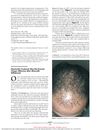
September 2003 in “Archives of Dermatology”
14 citations
,
September 2003 in “Archives of Dermatology” Finasteride may not stop severe hair loss after stopping minoxidil.
June 2026 in “EP Europace” Minoxidil and finasteride for hair loss may cause different types of heart rhythm issues.
 June 2026 in “Revista Ibero-Americana de Humanidades, Ciências e Educação”
 5% topical Minoxidil is the best treatment for female hair loss, improving hair density and thickness.
November 2025 in “Skin Appendage Disorders” Combining triamcinolone microinjections with minoxidil improves hair growth in women more than minoxidil alone.
 August 2019 in “Reactions Weekly”
 Oral minoxidil for hair loss caused mild side effects in some men, but most continued treatment.
 397 citations
,
February 2004 in “British Journal of Dermatology”
397 citations
,
February 2004 in “British Journal of Dermatology” Minoxidil boosts hair growth by opening potassium channels and increasing cell activity.
1 citations
,
March 2021 in “CRC Press eBooks” Oral minoxidil may be a better treatment for hair loss than topical minoxidil.
 August 2019 in “Journal of The American Academy of Dermatology”
 Platelet-rich plasma helps hair regrowth and improves quality of life in women with hair loss, but minoxidil may be more effective.
 45 citations
,
August 2011 in “Journal of Microencapsulation”
45 citations
,
August 2011 in “Journal of Microencapsulation” Chitosan microparticles improve minoxidil sulphate delivery, potentially reducing daily applications.
Combining minoxidil with microneedling may be more effective for hair growth than using minoxidil alone.
 1 citations
,
July 2018 in “Elsevier eBooks”
1 citations
,
July 2018 in “Elsevier eBooks” Many treatments for hair loss show potential, but more testing is needed to confirm their effectiveness. Only minoxidil for women and minoxidil and finasteride for men are FDA approved.
9 citations
,
January 2017 in “Farmacia” Finasteride can still be used for hair loss with careful consideration of side effects and patient information.
 September 2024 in “Health of Man”
 Low-dose dutasteride effectively and safely promotes hair growth in men with androgenetic alopecia.
 41 citations
,
January 2007 in “Journal of Korean Medical Science”
41 citations
,
January 2007 in “Journal of Korean Medical Science” Minoxidil and ATRA together boost hair growth more effectively than minoxidil alone.

Oral minoxidil can be more comfortable and effective than topical, but treatment should be personalized.