January 2013 in “China Animal Husbandry & Veterinary Medicine” The best method to isolate and culture hair follicle stem cells in fine-wool sheep is a combination of two-step enzymatic digestion and mechanical separation.
 11 citations
,
June 2012 in “Journal of Dermatological Science”
11 citations
,
June 2012 in “Journal of Dermatological Science” Scientists identified a group of human skin cells with high growth and regeneration potential.
January 2025 in “Online Publication Service of Würzburg University (Würzburg University)” A protocol was developed to create 3D skin models from adult diseased cells to study Small Fiber Neuropathy.
3 citations
,
November 2015 in “Indian Journal of Surgery”  12 citations
,
January 2009 in “Stembook”
12 citations
,
January 2009 in “Stembook” Improved understanding of stem cell mechanisms can enhance skin tissue engineering.
22 citations
,
December 1991 in “PubMed” 9 citations
,
June 2023 in “Oxidative Medicine and Cellular Longevity” Physioxia improves keratinocyte protection against oxidative stress and better mimics real skin conditions.
December 2024 in “Macromolecular Bioscience” The new collagen template speeds up production and supports skin healing without harmful reactions.

Quickly fix tissue in formalin after excision to preserve it.
September 2025 in “Immunological Reviews” The skin can independently form immune responses through special structures, offering new ways to treat skin diseases.
7 citations
,
January 2019 in “Methods in molecular biology” Engineered skin with hair follicles can improve burn treatments.
 58 citations
,
August 2015 in “The Indonesian Biomedical Journal”
58 citations
,
August 2015 in “The Indonesian Biomedical Journal” Different types of stem cells help maintain and heal skin.
August 2023 in “Journal of Investigative Dermatology” Skin organoids can regenerate hair by forming specific cell units with certain signals.
January 2005 in “Journal of Shandong Univenity” Epidermal stem cells are in hair follicle bulge regions, and isolation and culture methods are effective.
41 citations
,
January 2006 in “Dermatology” Noncultured epidermal cell transplantation is effective for repigmenting stable vitiligo.
22 citations
,
June 1994 in “Journal of Investigative Dermatology” April 2018 in “Dermatologic Surgery” 
Growing hair follicles from cultured cells could potentially treat baldness, but more research is needed.
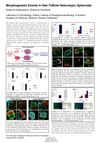
Researchers developed a method to create artificial hair follicles that may help with hair loss treatment and research.
 January 2019 in “Springer eBooks”
 Transplanting skin cells is a safe, effective, and affordable treatment for vitiligo.
A new hydrogel made from human hair keratin can help regenerate skin and fight bacteria.
 June 2024 in “Synthetic and systems biotechnology”
 A fragment of human type XVII collagen shows great potential for skin health and wound healing.
 April 2019 in “Journal of Investigative Dermatology”
 The created skin model with melanoblasts improves the study of skin color and offers an alternative to animal testing.
57 citations
,
October 1996 in “Dermatologic clinics” HA-MNs with MXD effectively treat hair loss better than topical MXD with fewer side effects.
August 2022 in “Tissue Engineering Part A” Advancements in skin treatment and wound healing include promising gene therapy, 3D skin models, and potential new therapies.
 28 citations
,
February 2014 in “PLoS ONE”
28 citations
,
February 2014 in “PLoS ONE” Epidermal stem cells on a special membrane helped mice regrow full skin with hair and functions.
 3 citations
,
October 2022 in “PloS one”
3 citations
,
October 2022 in “PloS one” Scientists have developed a method to keep chicken feather follicles alive and structurally intact in a lab for up to a week.
Hair follicle stem cells can be cultured, but better methods are needed for longer growth.
12 citations
,
September 2024 in “JID Innovations” Skin-on-a-chip devices better mimic human skin for research.
11 citations
,
April 1993 in “PubMed” Human hair cells can change based on their environment, especially interactions with certain skin cells.