155 citations
,
October 2002 in “The FASEB Journal” Heart-specific steroid metabolism is crucial in cardiac hypertrophy.
 May 2026 in “Research Square”
 Clinical hirsutism can help predict high androgen levels in women.
46 citations
,
August 2006 in “PubMed” A genetic defect causes males in some Mediterranean populations to be born with ambiguous genitalia and develop male traits at puberty.
7 citations
,
April 2023 in “Biomedicines” Dihydrotestosterone boosts inflammation in fat cells more than testosterone.
1 citations
,
July 2024 in “Journal of Medical and Life Science” Hormones, genes, and oxidative stress interact to cause hirsutism and PCOS.
 October 2024 in “Journal of the Endocrine Society”
 Ovarian stromal hyperplasia can cause high testosterone in postmenopausal women and is treated by removing the ovaries.
53 citations
,
June 1983 in “Journal of Investigative Dermatology” The enzyme is crucial for skin cell development and can be activated without proteolytic activation.
March 2016 in “Journal of the Turkish-German Gynecological Association” The woman likely has a hormonal imbalance causing excessive hair growth.
126 citations
,
October 1998 in “Experimental Dermatology” The hr gene is crucial for skin and hair health, with mutations causing hair disorders.
11 citations
,
June 1979 in “British Journal of Dermatology” The enzyme system in hair follicles is similar to the liver's and is affected by certain inhibitors.
November 1993 in “PubMed” Hirsutism, excessive male-pattern hair in women, can be caused by high androgens or skin sensitivity, diagnosed by testosterone levels, and treated with hair removal and hormone therapy.
 January 2019 in “Springer Reference Medizin”
 Follicle Stimulating Hormone is important for fertility.
15 citations
,
September 1973 in “PubMed” High androgen levels often cause female hirsutism and infertility.
98 citations
,
July 1983 in “Journal of Steroid Biochemistry” Individuals with this condition often develop male traits and identities at puberty despite being raised as females.
 September 2022 in “Curēus”
 The removed ovarian tumor was a rare type of blood vessel tumor that improved the patient's symptoms and hormone levels after surgery.
 30 citations
,
July 2019 in “Endocrinology”
30 citations
,
July 2019 in “Endocrinology” Certain HSD3B1 gene types are linked to worse prostate cancer outcomes and affect treatment response and other health conditions.
1 citations
,
February 1991 in “Journal of Biological Chemistry” 6 citations
,
November 2024 in “Molecular Medicine” Hormones can improve wound healing by regulating the healing process.
December 2010 in “TSpace” Activating androgen receptors in muscle can increase muscle mass and reduce fat.
 1 citations
,
January 2017 in “Tohoku journal of experimental medicine”
1 citations
,
January 2017 in “Tohoku journal of experimental medicine” A woman's mature cystic teratoma caused her virilization by producing testosterone.
1 citations
,
February 2023 in “Applied sciences” The new topical growth hormone formula has high skin penetration and bioavailability.
119 citations
,
August 2010 in “Journal of Investigative Dermatology” Increased 11β-HSD1 activity in skin may contribute to aging and could be targeted to reduce aging effects.
3 citations
,
September 2024 in “Journal of Microbiology and Biotechnology” Human placenta extract reduces inflammation and symptoms in atopic dermatitis.
13 citations
,
September 2017 in “Journal of Dermatological Science” Hydrogen peroxide in hair dye can cause hair loss.
1 citations
,
September 2002 in “European Journal of Endocrinology” Triple H syndrome exists and can vary in symptoms.
December 1990 in “PubMed” Hirsutism and androgenetic alopecia in women are often due to increased androgen effects, and antiandrogen treatment is recommended to prevent further issues.
 August 2009 in “International Journal of Dermatology”
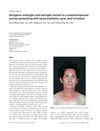
 A postmenopausal woman's facial redness, acne, and excess hair were caused by too much hormone therapy for insomnia, but improved after stopping the treatment.
 17 citations
,
May 2011 in “Gene Therapy”
17 citations
,
May 2011 in “Gene Therapy” Using polyethylenimine-DNA to deliver the hTERT gene can stimulate hair growth and may be useful in treating hair loss, but there could be potential cancer risks.
1 citations
,
May 2007 in “PubMed” Early diagnosis and treatment of haemochromatosis are crucial for reversing organ damage and improving fertility.
 April 2018 in “Journal of Investigative Dermatology”
 Stabilizing HIF1A in hair follicles increases glycolysis, which may help reduce oxidative stress and support hair growth.