 4 citations
,
January 2021 in “Skin appendage disorders”
4 citations
,
January 2021 in “Skin appendage disorders” Trichodynia is a painful scalp condition not directly linked to the amount or type of hair loss and may involve psychological factors, with treatments showing mixed results.
 2 citations
,
January 2019 in “Medizinische Genetik”
2 citations
,
January 2019 in “Medizinische Genetik” The document reports findings on genetic research, including ethical concerns about genome editing, improved diagnosis of mitochondrial mutations, solving inherited eye diseases, confirming gene roles in epilepsy, linking a gene to aneurysms, and identifying genes associated with age-related macular degeneration.
 2 citations
,
July 2017 in “IEEE Photonics Journal”
2 citations
,
July 2017 in “IEEE Photonics Journal” The study found that combining SHG and OCT effectively monitors skin wound healing in mice.
 2 citations
,
February 2017 in “International Journal of Molecular Sciences”
2 citations
,
February 2017 in “International Journal of Molecular Sciences” Erdr1 could be a new marker for diagnosing hair loss.
 2 citations
,
January 2014 in “International Journal of Endocrinology”
2 citations
,
January 2014 in “International Journal of Endocrinology” Women with a certain type of tumor had higher levels of pregnancy hormone and male hormones, which decreased after treatment.
 2 citations
,
January 2004 in “Elsevier eBooks”
2 citations
,
January 2004 in “Elsevier eBooks” Lupus affects the skin in various ways, and proper skin examination is crucial for diagnosis and treatment.
 2 citations
,
February 2019 in “Anais brasileiros de dermatologia/Anais Brasileiros de Dermatologia”
2 citations
,
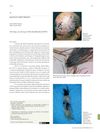
February 2019 in “Anais brasileiros de dermatologia/Anais Brasileiros de Dermatologia” Tufted folliculitis is common in patients with folliculitis decalvans.
 1 citations
,
March 2020 in “QJM: An International Journal of Medicine”
1 citations
,
March 2020 in “QJM: An International Journal of Medicine” Lactoferrin levels are lower in people with chronic hair shedding, suggesting supplements could help treat it.
 1 citations
,
January 2014 in “Health Renaissance”
1 citations
,
January 2014 in “Health Renaissance” Pseudopelade of Brocq is hard to diagnose and treat, with limited effective options.
 May 2026 in “AAPS PharmSciTech”
 PEGylated flavonoid Aspasomes improve brain protection and memory in stress-related disorders.
 March 2026 in “Inflammopharmacology”
 Ursolic acid from Ochrosia elliptica leaves may help manage PCOS symptoms.
 January 2026 in “International Journal of Dermatology Venereology and Leprosy Sciences”
 Topical 5% minoxidil is effective and safe for treating androgenetic alopecia, especially in younger patients with early-stage hair loss.
 January 2025 in “Dialnet (Universidad de la Rioja)”
 ADSC-enriched fat grafting is the best and safest aesthetic treatment, combining effectiveness and ethical confidence.
 January 2025 in “Journal of Rawalpindi Medical College”
 Alopecia Areata affects both genders almost equally, mostly on the scalp, with common signs like yellow dots and exclamation mark hairs, especially in young people.
 December 2024 in “Clinical Cosmetic and Investigational Dermatology”
 Elderly patients with eruptive skin bumps may have clear cell syringoma linked to glucose issues.
 January 2024 in “Editora In Vivo eBooks”
 Early diagnosis and management are crucial for feline inflammatory bowel disease.
 April 2022 in “Journal of applied science and environmental management”
 Alligator pepper seed extract improved wound healing in rats.
 September 2016 in “British Journal of Dermatology”
 Doctors need more training in skin cancer screening, a new treatment is effective for a skin condition, better diagnosis methods for skin cancer are available, hair loss in women may be linked to hormones and cholesterol, certain skin care products might cause hair loss, babies' skin gets weaker after birth, and a gene mutation might be linked to eczema.
 July 2016 in “American Journal of Dermatopathology”
 The meeting showcased rare skin disease cases, highlighting the need for accurate diagnosis and treatment.
 March 2015 in “Zagazig University Medical Journal”
 Damage to hair follicle stem cells may cause permanent hair loss and scarring in PCA.
 January 2015 in “Indian Dermatology Online Journal”
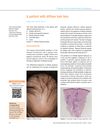
 The patient's hair loss is most likely due to diffuse alopecia areata.
 June 2008 in “British Journal of Dermatology”
 UK medical students lack dermatology education, liver biopsy patients with risk factors show more fibrosis, and certain fungi resist drugs due to melanin; genetics may influence female hair loss.
 January 1989 in “Clinical and Experimental Dermatology”
 The symposium concluded that hair growth involves complex processes, including the hair follicle life cycle, the role of the dermal papilla, hair strength, pigmentation, and the impact of diseases and treatments like minoxidil on hair and skin.
 September 2022 in “TURKDERM”
 A rare benign skin nodule was found on the buttock, a unique location for this condition.
 April 2018 in “Journal of Investigative Dermatology”
 Topical tofacitinib is effective in promoting hair growth for non-scarring alopecia.
 41 citations
,
September 2014 in “Journal of Pharmacy and Pharmacology”
41 citations
,
September 2014 in “Journal of Pharmacy and Pharmacology” Melatonin may help treat PCOS symptoms in rats.
 28 citations
,
August 2018 in “Dermatologic Clinics”
28 citations
,
August 2018 in “Dermatologic Clinics” Trichoscopy is a useful tool for diagnosing hair and scalp issues, but doctors must be careful to avoid mistakes.
 9 citations
,
July 2018 in “International Journal of Dermatology”
9 citations
,
July 2018 in “International Journal of Dermatology” White and yellow dots indicate severe female hair loss in dark skin.
 209 citations
,
March 1989 in “Journal of The American Academy of Dermatology”
209 citations
,
March 1989 in “Journal of The American Academy of Dermatology” Interferon alfa-2a is effective for treating cutaneous T cell lymphoma but has significant side effects.
 78 citations
,
April 1994 in “Archives of dermatology”
78 citations
,
April 1994 in “Archives of dermatology” The study found that Keratosis Pilaris Atrophicans is a genetic skin condition that starts in childhood, involves inflammation and scarring, and current treatments are only somewhat effective.