100 citations
,
April 1990 in “The Journal of Clinical Endocrinology & Metabolism” The ovary mainly causes high testosterone in PCO, while the adrenal gland is the main source in IH.
November 2025 in “Gynecological Endocrinology” Effective PCOS management needs clear roles between primary and specialist care, digital tools, and patient education.
 5 citations
,
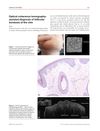
February 2015 in “JEADV. Journal of the European Academy of Dermatology and Venereology/Journal of the European Academy of Dermatology and Venereology”
5 citations
,
February 2015 in “JEADV. Journal of the European Academy of Dermatology and Venereology/Journal of the European Academy of Dermatology and Venereology” OCT can non-invasively diagnose follicular keratosis and other hair follicle disorders.
 3 citations
,
January 2018 in “International Journal of Advances in Medicine”
3 citations
,
January 2018 in “International Journal of Advances in Medicine” The most common skin problems in polycystic ovarian disease are hirsutism and acne, and managing these symptoms is key for treatment.
 257 citations
,
July 2018 in “Obstetrics & Gynecology”
257 citations
,
July 2018 in “Obstetrics & Gynecology” PCOS is a complex disorder in women that can lead to various health risks and requires personalized treatment.
29 citations
,
January 1998 in “Dermatology” Many acne patients have high androgen levels, which may lead to PCOD, but treatments like oral contraceptives and antiandrogens can help.
 2 citations
,
October 2015 in “Obstetrics and gynaecology cases - reviews”
2 citations
,
October 2015 in “Obstetrics and gynaecology cases - reviews” Removing both ovaries may better treat increased male hormone levels and related symptoms in postmenopausal women when hormone therapy doesn't work.
42 citations
,
July 1982 in “PubMed” Loestrin effectively normalizes testosterone levels and improves PCOS symptoms with minimal side effects.
 48 citations
,
May 2012 in “Journal of Midwifery & Women's Health”
48 citations
,
May 2012 in “Journal of Midwifery & Women's Health” Polycystic Ovary Syndrome is common but often undiagnosed, and early treatment is important to prevent health problems.
 October 2016 in “Journal of the Dermatology Nurses’ Association”
 Polycystic Ovary Syndrome (PCOS) affects 6%-15% of women of reproductive age, causing symptoms like acne and hair loss, and increasing the risk of type 2 diabetes and heart disease; it's managed through diet, exercise, and medications like Metformin and hormonal contraceptives.
 50 citations
,
December 2010 in “Bjog: An International Journal Of Obstetrics And Gynaecology”
50 citations
,
December 2010 in “Bjog: An International Journal Of Obstetrics And Gynaecology” South Asian women with PCOS experience more psychological distress and have a poorer quality of life, especially in social relationships, with hirsutism affecting them more than obesity.
 27 citations
,
January 2016 in “Quality of Life Research”
27 citations
,
January 2016 in “Quality of Life Research” The PCOSQ-50 is a valid and reliable questionnaire for measuring quality of life in Iranian women with PCOS.
 49 citations
,
April 1997 in “Human reproduction”
49 citations
,
April 1997 in “Human reproduction” Hormone therapy for excessive hair growth is as good with GnRHa as with high-dose CPA, but GnRHa has longer-lasting results.
10 citations
,
January 2011 in “Journal of biomedical optics” OCT is a reliable, noninvasive way to measure hair thickness.
 June 2026 in “Frontiers in Cell and Developmental Biology”
 LHX2 is crucial for development, tissue repair, and preventing diseases.
 10 citations
,
May 1995 in “Journal of General Internal Medicine”
10 citations
,
May 1995 in “Journal of General Internal Medicine” Most women with excessive hair growth have PCOS; treatment varies and focuses on preventing new hair, with electrolysis as the only permanent removal method.
September 2010 in “대한화장품학회지(J. Soc. Cosmet. Scientists Korea)” The study developed a reliable method to measure active ingredients in hair nourisher products using HPLC.
 9 citations
,
June 2020 in “Tissue Engineering and Regenerative Medicine”
9 citations
,
June 2020 in “Tissue Engineering and Regenerative Medicine” HHORSC exosomes and PL improve hair growth treatment outcomes.
 January 2000 in “Time to knit”
 SFE is a better extraction method, and the HPTLC method is effective for analyzing wedelolactone in E. alba.
 2 citations
,
January 1970 in “Asian journal of pharmaceutical research and development”
2 citations
,
January 1970 in “Asian journal of pharmaceutical research and development” PCOS is a hormonal disorder affecting many women, leading to symptoms like acne and irregular periods, and increasing the risk of diabetes and heart disease.
19 citations
,
January 2015 in “Development” Hoxc8 gene helps start mammary gland development by controlling specific signals.
 January 2023 in “Pharma innovation”
 Polycystic ovary syndrome affects health and can be hard to diagnose, with treatments ranging from drugs to herbal remedies.
 14 citations
,
August 2009 in “Cancer epidemiology”
14 citations
,
August 2009 in “Cancer epidemiology” AHCC reduces hair loss and liver injury caused by chemotherapy in rodents.
 202 citations
,
June 2005 in “Aaps Pharmscitech”
202 citations
,
June 2005 in “Aaps Pharmscitech” Lecithin organogels could be good for applying drugs to the skin because they are stable, safe, and can improve drug absorption.
 12 citations
,
May 2005 in “Current obstetrics and gynaecology/Current obstetrics & gynaecology”
12 citations
,
May 2005 in “Current obstetrics and gynaecology/Current obstetrics & gynaecology” Hirsutism is too much hair growth in women like the pattern in men, often caused by high male hormones, and can be treated with hormone control and hair removal methods.
September 2021 in “Journal of pharmaceutical research international” The conclusion is that hirsutism is strongly linked to PCOS and higher levels of certain hormones, but not to DHEAS, prolactin, cortisol, or TSH.
April 2025 in “La Prensa Medica” Oral contraceptives help treat acne and hair issues by balancing hormones but need careful use due to possible side effects.
 16 citations
,
November 2018 in “Singapore Medical Journal”
16 citations
,
November 2018 in “Singapore Medical Journal” Primary care for PCOS focuses on lifestyle changes, medication based on symptoms, and mental health, with diabetes screening and specialist referral for severe cases.
 January 2023 in “Endocrine Journal”
 Treating classic 21-hydroxylase deficiency requires precise glucocorticoid dosing and attention to individual patient needs, with new treatments showing promise.
May 2025 in “Dermatology Reports” A genetic mutation in the LIPH gene causes a rare hair disorder with sparse, curly hair.