 13 citations
,
July 2012 in “Pigment Cell & Melanoma Research”
13 citations
,
July 2012 in “Pigment Cell & Melanoma Research” A mutation in the Adam10 gene causes freckle-like spots on Hairless mice.
 15 citations
,
December 2016 in “Obstetrics & Gynecology”
15 citations
,
December 2016 in “Obstetrics & Gynecology” Most skin changes during pregnancy are harmless and moles don't significantly change, but many women experience pigmentation changes due to hormones and sun exposure.
April 1986 in “CRC Press eBooks” Hair color is determined by melanins produced in hair cells.
January 2022 in “Indian dermatology online journal” Pigmented papules on the ear can be a rare skin condition called cutaneous amyloidosis, treatable with topical tretinoin.
 20 citations
,
October 2018 in “American Journal of Clinical Dermatology”
20 citations
,
October 2018 in “American Journal of Clinical Dermatology” Some drugs can cause skin and hair color changes, often reversible when the drug is stopped.
9 citations
,
June 2017 in “The American journal of dermatopathology/American journal of dermatopathology” The study found increased skin pigmentation and variable melanocyte density in a patient with Addison's disease.
138 citations
,
June 2023 in “Molecules” Skin pigmentation varies due to genetics, UV exposure, and drugs, with treatments available but requiring medical advice.
 5 citations
,
March 2019 in “Scientific Reports”
5 citations
,
March 2019 in “Scientific Reports” The technique can isolate cells to help treat skin pigmentation issues.
 21 citations
,
April 2019 in “Clinical, cosmetic and investigational dermatology”
21 citations
,
April 2019 in “Clinical, cosmetic and investigational dermatology” The document concludes that stopping shaving or removing affected hair can alleviate Pseudofolliculitis barbae (PFB).
September 2012 in “British Small Animal Veterinary Association eBooks” The document concludes that pigmentation disorders in animals involve complex interactions between melanocytes and keratinocytes.
 60 citations
,
January 2004 in “The journal of investigative dermatology/Journal of investigative dermatology”
60 citations
,
January 2004 in “The journal of investigative dermatology/Journal of investigative dermatology” Applying a specific inhibitor lightens skin and hair color.
5 citations
,
July 2009 in “Clinical and experimental dermatology” 8 citations
,
January 2019 in “Journal of cosmetic dermatology” Modified phenol peels effectively reduced stubborn skin pigmentation in patients with Lichen Planus Pigmentosus.
2 citations
,
October 2016 in “Nutrition in clinical practice” Vitamin B12 deficiency can cause facial dark spots that go away with treatment.
 March 2026 in “Preprints.org”
 Plerixafor may help treat pigmentation disorders by promoting skin repigmentation.
6 citations
,
July 1976 in “JAMA” Black patients have unique skin conditions that require specific knowledge for proper treatment.
 1 citations
,
March 2024 in “Ophthalmic Plastic and Reconstructive Surgery”
1 citations
,
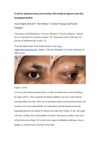
March 2024 in “Ophthalmic Plastic and Reconstructive Surgery” A pilomatrixoma in the eyebrow can cause hair loss and skin lightening.
January 1981 in “Purdue e-Pubs (Purdue University)” Pig skin is similar to human skin, with no major changes as they age.
April 2015 in “Dentistry 3000” Premature hair graying in the face may be influenced by genetics and environment.
 June 2021 in “Asian Journal of Medical Sciences”
 Vitamin B12 deficiency can cause reversible skin darkening.
 24 citations
,
September 2008 in “Clinical and experimental dermatology”
24 citations
,
September 2008 in “Clinical and experimental dermatology” Repigmentation in vitiligo may come from melanocyte stem cells in the skin.
January 2022 in “Skin appendage disorders” Trichoscopy effectively visualizes scalp micropigmentation without invasive methods.
September 2019 in “Journal of Investigative Dermatology” PCE-DP brightens skin and promotes hair growth by enhancing cell growth and reducing melanin uptake.
May 2006 in “The American journal of medicine” The man had persistent itchy bumps on his cheeks and neck despite trying different shaving products.
44 citations
,
January 1999 in “Dermatology” Nevus comedonicus is a rare skin condition with grouped open pores, sometimes linked to other body issues.
 October 2023 in “Indian dermatology online journal”
 The young woman has a benign, hereditary skin condition with no signs of a more serious syndrome.
November 2025 in “Journal of Investigative Dermatology” Tanning ability is linked to specific DNA changes in skin genes.
17 citations
,
February 2011 in “International Journal of Cosmetic Science” Grey hair is wilder, drier, and less manageable than pigmented hair.
December 2018 in “European Journal of Pediatric Dermatology/PD. European journal of pediatric dermatology” Segmental vitiligo affects hair follicle melanocytes, causing small, uniform depigmented spots.
 May 2023 in “Elsevier eBooks”
 Scalp micropigmentation is a safe way to hide hair loss and scalp scars by tattooing tiny dots that look like hair follicles.