 November 2025 in “International Journal of Pharmaceutical Sciences and Drug Research”
 Thyroid disorders significantly affect the well-being of married, urban, non-working individuals in South India.
 November 2025 in “Frontiers in Medicine”
 The SAALIQ is a reliable tool for measuring the impact of alopecia areata on Spanish-speaking patients' quality of life.
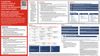 November 2025 in “SKIN The Journal of Cutaneous Medicine”
 Alopecia areata negatively affects self-esteem, relationships, and academics in young people.
 August 2025 in “American Journal of Clinical Dermatology”
 Clinicians should use evidence-based tools and consider mental health when assessing alopecia areata to guide treatment.
 June 2025 in “Clinical Cosmetic and Investigational Dermatology”
 There's an urgent need for better treatments for hair loss caused by radiation therapy.
 April 2025 in “Tạp chí Y Dược học Cần Thơ”
 Hair loss and mental health issues like anxiety and insomnia affect each other, impacting quality of life.
 April 2025 in “Dermatology and Therapy”
 Significant, lasting hair regrowth is needed to improve how patients with Alopecia Areata feel about their condition.
 January 2025 in “ARC Journal of Dermatology”
 Black patients are underrepresented in alopecia research, highlighting the need for more inclusive studies.
 January 2025 in “Universidad de Córdoba Insitutional Repository (Universidad de Córdoba)”
 An imbalanced scalp microbiome may worsen alopecia areata severity and inflammation, but treatment can partially restore balance.
 December 2024 in “Quality in Sport”
 Hormonal balance is vital for women's health and performance, but therapies like contraceptives and steroids have both benefits and risks.
 September 2024 in “African Journal of Biomedical Research”
 Alopecia areata patients have lower vitamin D and slightly lower copper levels, so these should be checked.
 June 2024 in “Research Square (Research Square)”
 Early-onset AGA shows different hair and metabolic characteristics compared to normal-onset AGA.
 April 2024 in “Frontiers in medicine”
 Alopecia Areata significantly lowers quality of life and current treatments are inadequate, highlighting a need for better therapies and standardized treatment protocols.
 April 2024 in “Dermatology and therapy”
 There are significant gaps and inconsistencies in diagnosing and treating alopecia areata in Greece and Italy.
 March 2024 in “Journal of Rawalpindi Medical College/Journal Rawalpindi Medical College”
 Skin issues are common and important for diagnosing PCOS.
 March 2024 in “Journal of pharmacopuncture”
 Hominis Placenta Pharmacopunture helped regrow hair in a patient with stress-induced hair loss.
 March 2024 in “Clinical, cosmetic and investigational dermatology”
 Severe alopecia areata greatly impacts quality of life, mental health, and daily activities.
 February 2024 in “International neuropsychiatric disease journal”
 Alopecia areata severely impacts quality of life, mental health, and work productivity.
 February 2024 in “International journal of health, medicine and nursing practice”
 Raising awareness about PCOS can improve women's quality of life.
 January 2024 in “Annals of Dermatology”
 Current treatments for Alopecia Areata don't fully meet patients' needs, indicating a need for better therapies.
 October 2023 in “Frontiers in medicine”
 Comprehensive screening for infections is crucial before starting JAK inhibitors in alopecia areata patients.
 September 2023 in “Dermatology and therapy”
 Ritlecitinib effectively improves hair growth in alopecia areata patients, regardless of hair loss pattern.
 June 2023 in “Buletin de psihiatrie integrativă”
 Alopecia causes significant emotional distress and psychological issues, requiring combined skin and mental health treatment.
 April 2023 in “Tikrit journal of pharmaceutical sciences”
 Ginger extract helps hair growth and reduces the need for prednisolone in alopecia areata patients.
Transgender patients face more barriers to oral healthcare, leading to poorer oral health and quality of life.
 March 2023 in “International Journal of Science and Research (IJSR)”
 Iron supplements improve life quality for people with anemia.
 January 2023 in “Pakistan Armed Forces Medical Journal”
  January 2023 in “European endocrinology”
 People with alopecia have a higher risk of thyroid cancer.
 January 2023 in “International journal of homoeopathic sciences”
 Homeopathic remedies can help manage PCOS symptoms in girls aged 17-21.
Lower LDL-c levels predict higher COVID-19 mortality.