 January 2014 in “Journal of Investigative Dermatology”
 Proteins like aPKC and PDGF-AA, substances like adenosine and ATP, and adipose-derived stem cells all play important roles in hair growth and health, and could potentially be used to treat hair loss and skin conditions.
 17 citations
,
January 2011 in “The Korean Journal of Hepatology”
17 citations
,
January 2011 in “The Korean Journal of Hepatology” Vogt-Koyanagi-Harada disease can develop during interferon therapy for chronic hepatitis C.
August 2024 in “Journal of the National Medical Association” ChatGPT is more accurate at diagnosing hair disorders in lighter skin tones than darker ones.
 10 citations
,
January 2011 in “Case reports in dermatological medicine”
10 citations
,
January 2011 in “Case reports in dermatological medicine” Hair transplant surgery effectively treated a specific type of hair loss and is recommended as a primary treatment option.
17 citations
,
March 2012 in “Journal of biological chemistry/The Journal of biological chemistry” Hairless protein affects hair follicle structure by regulating the Dlx3 gene.
57 citations
,
July 2000 in “Toxicology Letters” K6/ODC transgenic mice are effective for quickly identifying cancer-causing chemicals.
 June 2024 in “Journal of Clinical Oncology”
 The combination of TACE and Donafenib is effective and tolerable for treating unresectable liver cancer.
 January 2017 in “Jikken doubutsu ihou/Jikken doubutsu/Experimental animals/Jikken Dobutsu”
 Mice with a changed Hr gene lose and regrow hair due to changes in the gene's activity.
38 citations
,
January 2014 in “Journal of Dermatological Science” Krtap11-1 is important for hair strength and structure.
9 citations
,
October 2025 in “MedComm” PROTACs offer new ways to treat hard-to-target diseases, with promising drugs for cancer in advanced trials.

HEM-13HDC, a mix of 8 herbal extracts, helps hair grow and affects hair growth at a molecular level.
4 citations
,
May 2023 in “Cells” Baricitinib and its combination with lonafarnib improve fat cell formation in certain genetic disorders.
 1 citations
,
September 2024 in “Indian Journal of Postgraduate Dermatology”
1 citations
,
September 2024 in “Indian Journal of Postgraduate Dermatology” Trichoscopy effectively diagnoses temporal triangular alopecia in children.
4 citations
,
August 2024 in “Journal of Cosmetic Dermatology” The non-cross-linked hyaluronic acid compound effectively and safely improves keratosis pilaris.
84 citations
,
May 2008 in “Biological Chemistry” Human tissue kallikreins help regulate skin barrier functions and affect skin health.
 June 2025 in “International Journal of Computational Intelligence Systems”
 The TPAP method effectively categorizes androgenetic alopecia patients with high accuracy, but needs real-world validation.
13 citations
,
August 2015 in “Oncology Reports” Stem cells slowed lung tumor growth but increased colon tumor growth in mice.
September 2025 in “Journal of the American Academy of Dermatology” Ritlecitinib may help treat alopecia areata by protecting hair follicles.
40 citations
,
July 2023 in “Clinical Pharmacology & Therapeutics” Targeted protein degraders show promise in treating cancer but need to target more diverse proteins.
505 citations
,
October 2011 in “Journal of clinical oncology” MK-2206 was safe and effectively blocked AKT signaling in cancer patients, warranting more trials.
 2 citations
,
April 2017 in “PubMed”
2 citations
,
April 2017 in “PubMed” Fat cells near hair follicles may affect hair growth and could help treat baldness.
 April 2023 in “JMIR Research Protocols”
 The study aims to create a model to predict health attributes using diverse health data from Japanese adults.
1 citations
,
May 2022 in “International journal of molecular sciences” Faulty LEF1 activation causes faster skin cell differentiation in premature aging syndrome.
 27 citations
,
June 2005 in “The journal of investigative dermatology/Journal of investigative dermatology”
27 citations
,
June 2005 in “The journal of investigative dermatology/Journal of investigative dermatology” The study found that variations in hair protein genes are likely due to evolutionary deletions or duplications.
46 citations
,
September 2007 in “Journal of Investigative Dermatology” 
Upadacitinib effectively treated a patient with multiple inflammatory conditions.
 6 citations
,
September 1993 in “The Journal of Dermatologic Surgery and Oncology”
6 citations
,
September 1993 in “The Journal of Dermatologic Surgery and Oncology” Using tissue adhesive in hair transplants improves results and patient satisfaction, with fewer complications.
2 citations
,
August 2024 in “JID Innovations” AD-derived keratinocytes effectively mimic inflammation in atopic dermatitis.
 13 citations
,
January 2011 in “International Journal of Trichology”
13 citations
,
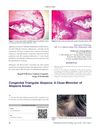
January 2011 in “International Journal of Trichology” CTA is often mistaken for AA but doesn't respond to steroids and may require hair transplantation.
January 2016 in “Frontiers in Bioengineering and Biotechnology” Keratin-based hydrogels can be improved for medical use by adding PEG, making them more soluble and adjustable.