 83 citations
,
December 2001 in “Journal of Investigative Dermatology”
83 citations
,
December 2001 in “Journal of Investigative Dermatology” Minoxidil boosts hair growth by targeting adenosine and possibly sulfonylurea receptor 2B.
 14 citations
,
July 2019 in “Experimental and Molecular Medicine”
14 citations
,
July 2019 in “Experimental and Molecular Medicine” Nanog gene boosts stem cells, helps hair growth, and may treat hair loss.
 13 citations
,
August 2020 in “Frontiers in Cell and Developmental Biology”
13 citations
,
August 2020 in “Frontiers in Cell and Developmental Biology” Twist1 helps maintain important features of cells crucial for hair growth by working with Tcf4 and β-catenin.
 13 citations
,
April 2020 in “Experimental Cell Research”
13 citations
,
April 2020 in “Experimental Cell Research” PCAT1 helps hair growth by controlling miR-329/Wnt10b.
 11 citations
,
April 2020 in “Life sciences”
11 citations
,
April 2020 in “Life sciences” Pantothenic acid helps mink hair follicles grow by affecting certain cell signals.
 11 citations
,
April 2013 in “Journal of Proteomics”
11 citations
,
April 2013 in “Journal of Proteomics” Found different proteins in balding and non-balding cells, giving insight into hair loss causes.
 10 citations
,
May 2018 in “Cell death discovery”
10 citations
,
May 2018 in “Cell death discovery” HSP90 and lamin A/C are crucial for hair growth and could be targets for treating hair loss.
 7 citations
,
August 2020 in “Animal biotechnology”
7 citations
,
August 2020 in “Animal biotechnology” A specific RNA in cashmere goats helps improve hair growth by interacting with certain molecules.
 4 citations
,
April 2024 in “Cellular and Molecular Biology”
4 citations
,
April 2024 in “Cellular and Molecular Biology” Injectable platelet-rich fibrin is better than platelet-rich plasma for promoting hair growth.
 1 citations
,
December 2019 in “Journal of medicine and life science”
1 citations
,
December 2019 in “Journal of medicine and life science” Docosahexaenoic acid (DHA) may help hair growth by promoting dermal papilla cell proliferation.
 July 2025 in “Scientific Reports”
 Dermal papilla cell-conditioned medium can help reduce skin aging caused by oxidative stress.
 80 citations
,
June 2008 in “Biomaterials”
80 citations
,
June 2008 in “Biomaterials” EVAL membranes help create cell structures that can regrow hair follicles.
 22 citations
,
October 2012 in “Cell Transplantation”
22 citations
,
October 2012 in “Cell Transplantation” Cells treated with Wnt-10b can grow hair after being transplanted into mice.
 19 citations
,
April 2015 in “European Journal of Pharmacology”
19 citations
,
April 2015 in “European Journal of Pharmacology” Dihydrotestosterone (DHT) doesn't affect rat skin cell growth, but it does change cell cycle, protein levels, and other cell functions, potentially shortening hair growth cycle.
 9 citations
,
October 2011 in “Journal of proteomics”
9 citations
,
October 2011 in “Journal of proteomics” Taxol damages hair growth cells, causing hair loss.
 23 citations
,
February 2015 in “International Journal of Molecular Sciences”
23 citations
,
February 2015 in “International Journal of Molecular Sciences” Colchicine can inhibit hair growth by affecting cell activity and protein expression in hair follicles.
 18 citations
,
April 2019 in “Archives of Dermatological Research”
18 citations
,
April 2019 in “Archives of Dermatological Research” Lactoferrin helps mice grow hair by increasing cell growth and hair follicle development.
 184 citations
,
November 2014 in “Developmental Cell”
184 citations
,
November 2014 in “Developmental Cell” Hair follicle dermal stem cells are key for regenerating parts of the hair follicle and determining hair type.
 68 citations
,
December 2011 in “Journal of Investigative Dermatology”
68 citations
,
December 2011 in “Journal of Investigative Dermatology” Sox2-positive dermal papilla cells have unique characteristics and contribute more to skin and hair follicle formation than Sox2-negative cells.
 44 citations
,
June 2009 in “Biomaterials”
44 citations
,
June 2009 in “Biomaterials” Skin cell clumping for hair growth is improved by a protein called fibronectin, which helps cells stick and move better.
 42 citations
,
September 2015 in “Gene”
42 citations
,
September 2015 in “Gene” FGF5s can block the effects of FGF5, which may help control hair growth in cashmere goats.
 26 citations
,
July 2016 in “PLOS ONE”
26 citations
,
July 2016 in “PLOS ONE” Activating β-catenin in certain skin cells speeds up hair growth in mice.
 13 citations
,
June 2020 in “BMC genomics”
13 citations
,
June 2020 in “BMC genomics” A specific microRNA, chi-miR-30b-5p, slows down the growth of hair-related cells by affecting the CaMKIIδ gene in cashmere goats.
 8 citations
,
January 2016 in “Journal of Veterinary Medical Science”
8 citations
,
January 2016 in “Journal of Veterinary Medical Science” Lab-made tissues from dog fat stem cells can help grow hair by releasing a growth factor.
 4 citations
,
May 2018 in “Electronic Journal of Biotechnology”
4 citations
,
May 2018 in “Electronic Journal of Biotechnology” All-trans retinoic acid at high doses harms goat hair growth cells and could be bad for hair growth.
 3 citations
,
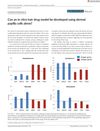
February 2021 in “Experimental dermatology”
3 citations
,
February 2021 in “Experimental dermatology” Dermal papilla microtissues could be useful for initial hair growth drug testing.
 2 citations
,
July 2020 in “Electromagnetic Biology and Medicine”
2 citations
,
July 2020 in “Electromagnetic Biology and Medicine” Low-frequency electromagnetic fields help regenerate hair follicles using a mix of skin cells.
 1 citations
,
October 2001 in “Journal of Wood Science”
1 citations
,
October 2001 in “Journal of Wood Science” Some extracts from woods and fungi can promote hair growth better than a known hair growth substance.
 September 2017 in “Journal of Investigative Dermatology”
 Hair follicle cells change their DNA packaging during growth cycles and when grown in the lab.
 June 2011 in “Journal of medicine and life science”
 Hizkia fusiforme seaweed extract can help promote hair growth.