 80 citations
,
November 1975 in “Acta dermato-venereologica”
80 citations
,
November 1975 in “Acta dermato-venereologica” Large doses of glucocorticoids are not suitable for general use in treating severe alopecia areata due to inconsistent results and risks.
1 citations
,
October 2020 in “Journal of the American Society of Nephrology” Proguanil can cause anemia and hair loss in kidney disease patients.
4 citations
,
September 2020 in “Journal of Mind and Medical Sciences” The new sunscreen cream is effective, safe, and has good skin qualities.
 June 2020 in “Annals of the Rheumatic Diseases”
 Patients need better information about the risks of long-term steroid use.
January 2008 in “Zhonghua linchuang mianyi he biantai fanying zazhi” The treatment with Shunyou and prednisone is effective and safe for lupus nephritis.
 August 1994 in “Drugs & Therapy Perspectives”
 Psoriasis treatments range from topical creams to systemic medications with serious side effects, and while treatments can manage symptoms, there is no cure.
 6 citations
,
February 2020 in “Journal of Natural Products”
6 citations
,
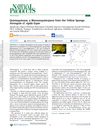
February 2020 in “Journal of Natural Products” A new compound from a sponge strongly inhibits an enzyme linked to male-pattern hair loss without being toxic at low levels.
 April 2016 in “Journal of Investigative Dermatology”
 Mefloquine, an antimalarial drug, is effective in killing melanoma cells resistant to other treatments by causing lethal stress in the cells.
17 citations
,
November 2009 in “Dermato-endocrinology” Medium-dose prednisolone pulse therapy is effective and safe for multifocal alopecia areata but not for more severe forms.
137 citations
,
December 2006 in “Arthritis Research & Therapy” Mycophenolate mofetil is safer and more effective than cyclophosphamide for treating lupus nephritis.
 May 2017 in “Journal of The American Academy of Dermatology”
 A woman with a skin disorder was found to have hepatitis C, which may be linked, and was safely treated with methotrexate.
16 citations
,
August 2017 in “Lupus” Chronic cutaneous lupus erythematosus should be considered when acne treatments don't work.
 2 citations
,
January 2012 in “Hair therapy & transplantation”
2 citations
,
January 2012 in “Hair therapy & transplantation” DDAIP-HCl significantly increases minoxidil absorption into the skin.
1 citations
,
January 2024 in “Dermatologic Therapy” Methotrexate and azathioprine are equally effective and well-tolerated for treating lichen planopilaris.
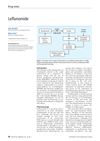 January 2018 in “Practical diabetes”
 Leflunomide is effective for rheumatoid arthritis but has significant side effects.
2 citations
,
January 2010 in “Case Reports in Medicine” Relapsing polychondritis might be linked to alopecia areata due to immune system factors.
 July 2026 in “Archives of Dermatological Research”
 Topical finasteride spray improves hair growth with mild side effects.
 May 2026 in “International Journal of Molecular Sciences”
 The new human placental extract may help prevent hair graying and reduce nerve pain from chemotherapy.
May 2024 in “Journal of the Egyptian Womenʼs Dermatologic Society” Diphenylcyclopropenone is effective and safe for treating severe alopecia areata in children, with maintenance therapy reducing relapse risk.
 June 2023 in “Journal of cosmetic dermatology”
 Both DPCP alone and with PRP are effective and safe for treating severe alopecia areata.
 4 citations
,
June 2025 in “Cochrane Database of Systematic Reviews”
4 citations
,
June 2025 in “Cochrane Database of Systematic Reviews” No treatment is clearly better for central serous chorioretinopathy, and more research is needed.
36 citations
,
May 2005 in “BMC dermatology” DPCP is effective for treating severe alopecia areata, but relapse is common.
 April 2012 in “Journal of the American Academy of Dermatology”
 Clofazimine may be effective for treating ashy dermatosis.
December 2024 in “Naunyn-Schmiedeberg s Archives of Pharmacology” 
Anifrolumab improves quality of life and reduces steroid use in lupus patients.
2 citations
,
February 2022 in “Journal of Pharmacy and Pharmacology” Methotrexate-loaded formulations showed promise for psoriasis treatment but need careful evaluation.
141 citations
,
February 2005 in “Journal of the American Academy of Dermatology” Oral prednisolone helps hair regrowth in alopecia areata.
 31 citations
,
September 2014 in “International Journal of Dermatology”
31 citations
,
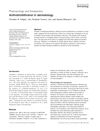
September 2014 in “International Journal of Dermatology” Anthralin is effective for psoriasis and alopecia with minimal systemic side effects but can irritate the skin.
21 citations
,
September 2013 in “Current medicinal chemistry” HAC and BAC improve skin targeting and reduce diffusion without causing irritation.
13 citations
,
February 2019 in “Türk oftalmoloji dergisi” New treatments for chronic central serous chorioretinopathy show promise in preventing permanent vision loss.