 November 2023 in “The journal of investigative dermatology/Journal of investigative dermatology”
 Cancer treatment drugs can cause permanent hair loss by damaging hair follicle stem cells, but a specific inhibitor might reverse this effect.
 295 citations
,
September 2006 in “Cell Cycle”
295 citations
,
September 2006 in “Cell Cycle” The conclusion is that using drugs to block the TOR pathway might slow aging and prevent age-related diseases.
 January 2026 in “Revista Eletrônica Acervo Saúde”
 Long COVID can cause anemia and iron issues, leading to fatigue and slow recovery, especially in men and severe cases.
 June 2025 in “Journal of Cosmetic Dermatology”
 AI improves aesthetic medicine but faces challenges like biases and privacy issues that need addressing for successful integration.
 July 2023 in “International journal of dermatology, venereology and leprosy sciences”
 Micro needling is a skin treatment that helps with various skin conditions including stretch marks, by boosting collagen production, but it may cause redness and irritation.
41 citations
,
June 2022 in “Biomedicines” PCOS should be reclassified into two types based on hormone levels and symptoms.
 24 citations
,
June 2012 in “BMC Research Notes”
24 citations
,
June 2012 in “BMC Research Notes” The HGCA tool helps identify genes that work together by analyzing their co-expression patterns.
3 citations
,
August 2024 in “British Journal of Dermatology” Dupilumab may help treat hair loss and skin color loss in some patients with atopic dermatitis.
1 citations
,
January 2007 in “Side effects of drugs annual” Dermatological treatments can have significant side effects, including allergic reactions, sexual dysfunction, and increased cancer risk.
February 2026 in “World Academy of Sciences Journal” Lymphoma should be considered in unusual scalp hair loss cases, as treatment can work but may lead to severe complications.
January 2025 in “Indian Dermatology Online Journal” Early diagnosis and aggressive treatment are essential for managing Vogt-Koyanagi-Harada syndrome effectively.
 April 2023 in “The journal of investigative dermatology/Journal of investigative dermatology”
 Blocking EGFR can lead to hair loss due to inflammation and stem cell damage.
 April 2023 in “Journal of Investigative Dermatology”
 Aging changes skin cells, leading to different DNA methylation and gene activity, affecting cell metabolism and aging signs.
Light tickling can be unpleasant and may feel worse for individuals with autism.
June 2020 in “Zenodo (CERN European Organization for Nuclear Research)” Children with frequent severe infections and low antibodies should be checked for immune deficiencies.
 April 2019 in “Journal of emerging technologies and innovative research”
 Early treatment of Female Pattern Hair Loss is important to stop it from getting worse, and various treatments can help, especially in mild to moderate cases.
 1 citations
,
January 1989 in “Journal of The American Academy of Dermatology”
1 citations
,
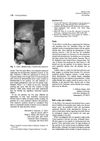
January 1989 in “Journal of The American Academy of Dermatology” The conclusion is that proper communication about the realistic effects of hair loss and skin aging treatments can improve dermatologists' credibility.
 January 1989 in “Journal of The American Academy of Dermatology”
 Dr. Jorizzo questions the long-term benefits of minoxidil and tretinoin, while Dr. Olsen defends their effectiveness and stresses the need for public education on these treatments.

New cancer drugs can cause skin side effects like rashes, dry skin, hair changes, and nail problems.
94 citations
,
October 1994 in “The Journal of Cell Biology” Too much keratin 16 in mice skin causes abnormal skin thickening and structure.
17 citations
,
July 1984 in “British journal of dermatology/British journal of dermatology, Supplement” The four patients have a unique type of ichthyosis affecting hair follicles.
59 citations
,
August 1981 in “PubMed” Trichilemmal keratinization is a unique process in hair follicles where the outer root sheath turns into keratin without a specific layer.
25 citations
,
September 1995 in “Biochemistry and Cell Biology” High levels of human keratin 16 in mice cause skin lesions and abnormal skin development.
11 citations
,
January 1977 in “Archives of dermatological research” Mouse tail skin has different keratinization near hair follicles and scales.
135 citations
,
November 1987 in “Differentiation” Outer root sheath cells consistently express certain keratins influenced by their environment.
9 citations
,
February 2016 in “Anatomical Science International” Hair proteins change location and structure as hair cells mature.
January 2017 in “대한미용학회지” The cuticle layer in hair follicles thickens during keratinization due to incomplete cytosol loss.
22 citations
,
January 1990  32 citations
,
April 2014 in “The journal of investigative dermatology/Journal of investigative dermatology”
32 citations
,
April 2014 in “The journal of investigative dermatology/Journal of investigative dermatology” Loss of keratin K2 causes skin problems and inflammation.
4 citations
,
April 1983 in “The Journal of Dermatology” A 15-year-old girl with hypothyroidism had excess hair and skin issues due to blocked hair follicles.