 2 citations
,
June 2009 in “The Nurse practitioner”
2 citations
,
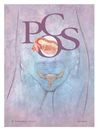
June 2009 in “The Nurse practitioner” Doctors should recognize and treat PCOS early in primary care to manage symptoms and lower risk of other health issues.
 June 2026 in “Reproduction and Fertility”
 PCOS involves microbiome and immune system issues, not just hormones.

Parquetina nigrescens may help manage PCOS by improving ovarian function and insulin sensitivity.
May 2026 in “International Journal of Dermatology” Higher levels of 3α-diol G are linked to more severe female pattern hair loss.
 November 2025 in “Asian Journal of Medical Sciences”
 Early menarche may indicate higher risk of severe hirsutism in PCOS patients.
January 2025 in “International Journal of Forest Animal and Fisheries Research” DHEA may play a complex role in PCOS, affecting hormones, metabolism, and symptoms.
 May 2024 in “International Seven Multidisciplinary Journal”
 PCOS causes skin issues like excess hair, acne, and hair loss, needing a team approach for treatment.
 June 2022 in “COJ Biomedical Science & Research”
 PCOS management includes lifestyle changes and medications to improve fertility.
January 2022 in “International Research Journal of Ayurveda & Yoga” Ayurveda treats PCOS by balancing body elements and using lifestyle changes and herbs.
 September 2021 in “Conference Proceedings”
 Older men with high total testosterone might not show symptoms, while younger men with hyperandrogenism may experience hair loss or acne.
August 2019 in “Repozitorij Farmaceutsko-biokemijskog fakulteta (Sveučilišta u Zagrebu)” PCOS treatment combines lifestyle changes and medication to manage symptoms and improve quality of life.
August 2019 in “Repozitorij Farmaceutsko-biokemijskog fakulteta (Sveučilišta u Zagrebu)” PCOS treatment combines lifestyle changes and medication to manage symptoms and reduce health risks.
 January 2015 in “Springer eBooks”
 The document concludes that managing PCOS involves lifestyle changes, medication, and monitoring for associated health risks.
 September 2008 in “Fertility and Sterility”
 Free fatty acids may increase androgen production, potentially contributing to polycystic ovary syndrome.
 July 2002 in “JOGC/Journal of obstetrics and gynaecology Canada”
 Birth control pills help treat acne, especially when caused by excess male hormones, and are safe to use with antibiotics.
September 1997 in “JEADV. Journal of the European Academy of Dermatology and Venereology/Journal of the European Academy of Dermatology and Venereology” Common hair loss can be diagnosed with a physical exam and sometimes a hair test or skin biopsy, and treated with medication or surgery, with ongoing treatment needed to keep results.
 4809 citations
,
January 2004 in “Fertility and Sterility”
4809 citations
,
January 2004 in “Fertility and Sterility” The 2003 consensus updated PCOS diagnosis criteria and highlighted increased risks of diabetes and heart disease for those affected.
 4025 citations
,
December 2003 in “Human Reproduction”
4025 citations
,
December 2003 in “Human Reproduction” The 2003 consensus updated PCOS diagnosis criteria and linked PCOS to higher risks of diabetes and heart problems, recommending lifestyle changes to lower these risks.
 1540 citations
,
October 2008 in “Fertility and Sterility”
1540 citations
,
October 2008 in “Fertility and Sterility” The report concludes that PCOS is mainly a condition of excess male hormones and its definition may change as new information is discovered.
 373 citations
,
September 2009 in “Obstetrics & Gynecology”
373 citations
,
September 2009 in “Obstetrics & Gynecology” The bulletin provides guidelines for diagnosing and managing PCOS, suggesting weight loss, hormonal contraceptives, and diabetes screening, with clomiphene for infertility and various treatments for excess hair.
 343 citations
,
October 2015 in “Endocrine Practice”
343 citations
,
October 2015 in “Endocrine Practice” The guide recommends specific methods for diagnosing PCOS and various treatments for its symptoms, while considering the health impacts on adolescents.
 131 citations
,
August 2004 in “Best Practice & Research in Clinical Obstetrics & Gynaecology”
131 citations
,
August 2004 in “Best Practice & Research in Clinical Obstetrics & Gynaecology” The conclusion is that PCOS is caused by ovarian sensitivity to hormones and disrupted hormone control, possibly due to ovarian factors, and more research is needed.
 40 citations
,
January 2010 in “Annales D Endocrinologie”
40 citations
,
January 2010 in “Annales D Endocrinologie” The French Endocrine Society suggests diagnosing PCOS with two of three signs, recommends lifestyle changes and clomiphene for treatment, and calls for more research on certain treatments and tests.
 30 citations
,
June 2019 in “Frontiers in Endocrinology”
30 citations
,
June 2019 in “Frontiers in Endocrinology” The document concludes that managing non-classical congenital adrenal hyperplasia in females requires personalized treatment, genetic counseling, and a team of specialists.
 14 citations
,
July 1987 in “Dermatologic Clinics”
14 citations
,
July 1987 in “Dermatologic Clinics” The document concludes that treating female hair loss should target reducing excess androgen and blocking its effects on hair follicles, with the best treatments being hormonal therapy, adrenal suppression, and topical minoxidil.
 10 citations
,
March 2016 in “The Journal of Obstetrics and Gynecology of India”
10 citations
,
March 2016 in “The Journal of Obstetrics and Gynecology of India” The article suggests renaming Polycystic Ovarian Syndrome (PCOS) to "Hyperandrogenic Persistent Ovulatory Dysfunction Syndrome" (HA-PODS) for accuracy and consistency, but no final decision was made.
 2 citations
,
April 2013 in “Expert Review of Endocrinology & Metabolism”
2 citations
,
April 2013 in “Expert Review of Endocrinology & Metabolism” Identifying nonclassic congenital adrenal hyperplasia and carriers of CYP21 mutations is challenging, and genetic counseling is recommended due to their prevalence.
July 1998 in “Annals of saudi medicine/Annals of Saudi medicine” A misdiagnosed case of HAIR-AN syndrome led to unnecessary surgeries and highlighted the importance of correct diagnosis and treatment.
 20 citations
,
April 2006 in “Dermatologic Clinics”
20 citations
,
April 2006 in “Dermatologic Clinics” Antiandrogen therapies are beneficial for treating skin and hair conditions related to androgen levels.
14 citations
,
January 2025 in “Reproductive Medicine and Biology” PCOS diagnosis and treatment should consider race and ethnicity for accuracy.