 January 2019 in “Paëmi Sino”
 Women with keloid scars often have acne and hair loss, especially those with "true" keloids, indicating a possible hormonal imbalance.
 December 2015 in “Dermatologic Surgery”
 Double trichophytic closure effectively repairs thin scalp scars, reducing financial burden.
Guidelines help safely perform cosmetic procedures on vitiligo patients to avoid new skin lesions.
1 citations
,
February 2023 in “Tropical Journal of Pharmaceutical Research” Polysulfonic acid mucopolysaccharide can reduce skin scarring.
2 citations
,
May 2000 in “International Society of Hair Restoration Surgery” Scarring alopecias are a complex type of hair loss that are hard to treat and often can't be fixed with hair transplants.
 October 2025 in “Dermatology Practical & Conceptual”
 Early detection and treatment of acne can prevent scarring and improve quality of life.
 January 2024 in “International Journal of Homoeopathic Sciences”
 Homeopathy may help improve acne scars and emotional well-being.
 1 citations
,
January 2015 in “Journal of Pigmentary Disorders”
1 citations
,
January 2015 in “Journal of Pigmentary Disorders” Treating melasma in men is difficult, especially for the deeper skin layers, and may need more than just topical treatments.
 3 citations
,
May 2010 in “Archives of dermatology”
3 citations
,
May 2010 in “Archives of dermatology” Herpes zoster infection can cause permanent hair color change in the affected area.
 113 citations
,
June 2019 in “F1000Research”
113 citations
,
June 2019 in “F1000Research” Scarless healing is complex and influenced by genetics and environment, while better understanding could improve scar treatment.
 14 citations
,
December 2013 in “Anais Brasileiros De Dermatologia”
14 citations
,
December 2013 in “Anais Brasileiros De Dermatologia” A woman with long-term scalp psoriasis developed rare scarring hair loss that didn't fully respond to treatments.
January 2005 in “中华医学杂志:英文版” Scar tissue may regenerate sweat glands from remaining glands or stem cells.
 January 1990 in “Springer eBooks”
 Some chemicals can permanently or temporarily remove color from skin and hair, which can be distressing and is not well-regulated in cosmetics.
 4 citations
,
July 2019 in “Clinics in Dermatology”
4 citations
,
July 2019 in “Clinics in Dermatology” The document concludes that while white skin, nail, and mucosa diseases increase skin cancer risk, they are generally harmless, especially compared to darker pigmentation conditions.
177 citations
,
November 2002 in “British journal of dermatology/British journal of dermatology, Supplement” Transplantation is effective for stable leucoderma but not for progressive, widespread vitiligo vulgaris.
 10 citations
,
July 2022 in “Dermatology and Therapy”
10 citations
,
July 2022 in “Dermatology and Therapy” Melasma's causes include genetics, sun exposure, hormones, and oxidative stress, and understanding these can help create better treatments.
10 citations
,
January 2015 in “European journal of pharmacology” Ginsenoside Rb1 may help remodel hypertrophic scars effectively at a dose of 0.56 mg.
August 2022 in “Journal of Cosmetic Dermatology” Understanding key techniques is crucial for natural-looking scalp micropigmentation.
January 2026 in “International Journal of Health Science” Human insulin via microinfusion may effectively improve atrophic acne scars.
May 2009 in “Faculty Opinions – Post-Publication Peer Review of the Biomedical Literature” PPARgamma is crucial for healthy hair follicles, and its loss causes scarring alopecia.
Cryotherapy is the best depigmentation method for vitiligo but needs an expert to perform it.
40 citations
,
January 2013 in “Clinical Cosmetic and Investigational Dermatology” Desonide is more effective than niacinamide for reducing underarm darkening.
July 2022 in “European Journal of Dermatology” Brodalumab is more effective than ustekinumab in treating psoriasis.
 1 citations
,
March 2024 in “Ophthalmic Plastic and Reconstructive Surgery”
1 citations
,
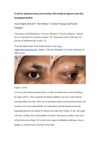
March 2024 in “Ophthalmic Plastic and Reconstructive Surgery” A pilomatrixoma in the eyebrow can cause hair loss and skin lightening.
 May 2024 in “Pigment International”
 Several treatments are effective for pigmentary disorders like vitiligo and melasma.
3 citations
,
July 2025 in “Journal of Cosmetic Dermatology” Combining Endo-RF with PRP may improve acne scars better than Endo-RF alone.
 February 2024 in “International Journal For Multidisciplinary Research”
 Nanostructured lipid carriers are effective for treating hyperpigmentation in women aged 30-40.
 May 2023 in “Elsevier eBooks”
 Scarring alopecia causes permanent hair loss, and treatment aims to reduce inflammation and stop it from getting worse.
January 2025 in “Tanzania journal of health research/Tanzania Journal of Health Research” Autologous mini-punch grafting can effectively repigment stable vitiligo, but has some risks and limitations.
 23 citations
,
April 2018 in “Journal der Deutschen Dermatologischen Gesellschaft”
23 citations
,
April 2018 in “Journal der Deutschen Dermatologischen Gesellschaft” Permanent hair loss from cicatricial alopecia is treated by reducing inflammation and managing symptoms, but regrowth in scarred areas is unlikely.