September 2018 in “Obsgyne Review Journal of Obstetric and Gynecology of Siddharth Health Research and Social Welfare Society” Pregnant women often experience a variety of skin problems, including pigmentation changes and stretch marks.
5 citations
,
February 2012 in “Australasian Journal of Dermatology” Two red-haired men with alopecia areata regrew black hair instead of red.
 8 citations
,
February 2005 in “British Journal of Haematology”
8 citations
,
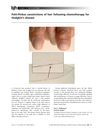
February 2005 in “British Journal of Haematology” Chemotherapy caused the patient's hair to have alternating thick and thin segments.
8 citations
,
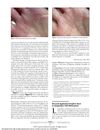
August 2018 in “BMJ Case Reports” Pazopanib treatment caused rapid hair color loss, possibly indicating its effectiveness.
 9 citations
,
May 2013 in “JAMA Dermatology”
9 citations
,
May 2013 in “JAMA Dermatology” Sunlight exposure improved a patient's skin condition, and there may be a link between a certain disease and skin growths; a leukemia treatment caused changes in hair color and growth.
13 citations
,
March 2008 in “Journal of the European Academy of Dermatology and Venereology” Triamcinolone acetonide therapy for hair loss may cause a skin condition called linear lichen planus.
 15 citations
,
May 2014 in “Journal of dermatology”
15 citations
,
May 2014 in “Journal of dermatology” Zouboulis syndrome is a rare condition that helps diagnose monosomy 18p early.
3 citations
,
July 2024 in “Dermatology and Therapy” Hair shaft abnormalities can help distinguish mycosis fungoides from other skin conditions.
Skin diseases look different on pigmented and nonpigmented skin.
 2 citations
,
April 2018 in “International Journal of Research in Dermatology”
2 citations
,
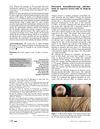
April 2018 in “International Journal of Research in Dermatology” Linear skin conditions are rare, more common in females, and often misdiagnosed without tissue analysis.
 8 citations
,
January 2018 in “European journal of dermatology/EJD. European journal of dermatology”
8 citations
,
January 2018 in “European journal of dermatology/EJD. European journal of dermatology” The girl's regrown brown hair had less of certain pigments than her original black hair.
13 citations
,
January 1985 in “International Journal of Dermatology” The document found differences in lesion distribution and microscopic features among trichostasis spinulosa and similar skin conditions.
 10 citations
,
August 2016 in “Anais brasileiros de dermatologia/Anais Brasileiros de Dermatologia”
10 citations
,
August 2016 in “Anais brasileiros de dermatologia/Anais Brasileiros de Dermatologia” Vitiligo patients often have nail problems, so checking their nails is important.
 236 citations
,
January 1951 in “Physiological zoology”
236 citations
,
January 1951 in “Physiological zoology” Hair growth and pigmentation in mice involve specific stages crucial for research.
 August 2025 in “International Journal of Contemporary Pediatrics”
 HLD10 can include increased body hair and Mongolian spots.
 February 2023 in “Indian journal of private psychiatry/Indian Journal of Private Psychiatry”
 Valproic acid can rarely cause reversible nail discoloration.
21 citations
,
January 2010 in “International journal of trichology” Trichoscopy can diagnose monilethrix, a genetic hair defect causing hair thinning and loss.
25 citations
,
October 1985 in “Archives of Ophthalmology” The pigment in black eyeliner can spread in the skin and may cause permanent eyelash loss.
 10 citations
,
July 2022 in “Dermatology and Therapy”
10 citations
,
July 2022 in “Dermatology and Therapy” Melasma's causes include genetics, sun exposure, hormones, and oxidative stress, and understanding these can help create better treatments.
 1 citations
,
January 2014 in “Health Renaissance”
1 citations
,
January 2014 in “Health Renaissance” Pseudopelade of Brocq is hard to diagnose and treat, with limited effective options.
 April 2024 in “Journal of cosmetic dermatology”
 Children with alopecia areata have more exclamation mark hairs and fewer yellow dots than adults.
55 citations
,
January 1988 in “Dermatology” Diphencyprone treatment for alopecia areata can cause vitiligo in some patients.
May 2026 in “Journal of International Medical Research” Atrichia with papular lesions causes irreversible hair loss from infancy and is often misdiagnosed.

An elderly woman developed severe skin discoloration after homeopathic knee injections, but the exact cause is unclear.
April 2016 in “Journal of the American Academy of Dermatology” Treatment improved some symptoms but not all.

Vogt–Koyanagi–Harada disease can cause rare hair growth on normally hairless thumb skin.
 9 citations
,
June 1959 in “Archives of dermatology”
9 citations
,
June 1959 in “Archives of dermatology” Hair can darken after inflammation and then return to its original color.
 21 citations
,
November 1981 in “Archives of Dermatology”
21 citations
,
November 1981 in “Archives of Dermatology” Ashy dermatosis may be linked to atopy and thyroid disease and can be treated with topical steroids.
55 citations
,
April 2008 in “Clinical Genetics” A new mutation in the ST14 gene was found in a patient with ARIH syndrome, showing milder symptoms and no tooth issues.
 17 citations
,
June 2016 in “Croatian Medical Journal”
17 citations
,
June 2016 in “Croatian Medical Journal” Patients with chronic graft-versus-host disease often have skin problems like vitiligo and alopecia areata.