Hair disorders can be genetic or acquired, affecting hair growth and loss differently.
 2 citations
,
February 2019 in “Anais brasileiros de dermatologia/Anais Brasileiros de Dermatologia”
2 citations
,
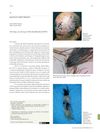
February 2019 in “Anais brasileiros de dermatologia/Anais Brasileiros de Dermatologia” Tufted folliculitis is common in patients with folliculitis decalvans.
 24 citations
,
September 2014 in “Journal of the European Academy of Dermatology and Venereology”
24 citations
,
September 2014 in “Journal of the European Academy of Dermatology and Venereology” Trichoscopy is reliable for diagnosing Temporal Triangular Alopecia and can prevent unnecessary biopsies and wrong treatments.
47 citations
,
April 2000 in “Experimental Dermatology” A new gene mutation causes a rare type of hair loss.
33 citations
,
December 1982 in “Developmental Medicine & Child Neurology” Hair-shaft abnormalities can indicate neurological disorders, some of which are treatable.
16 citations
,
July 2021 in “American Journal of Medical Genetics Part A” Mutations in the LSS gene cause hair loss and may affect brain development, with varying severity.
23 citations
,
July 2016 in “JAMA Ophthalmology” CDH3-related disease causes worsening eye and hair issues.
 8 citations
,
July 2014 in “Anais Brasileiros de Dermatologia”
8 citations
,
July 2014 in “Anais Brasileiros de Dermatologia” A man's scalp condition was misidentified as hair loss dots but was actually a common follicular disorder.
2 citations
,
March 2010 in “European journal of dermatology/EJD. European journal of dermatology” A young Caucasian girl had both woolly hair and alopecia areata, which is rare.
January 2025 in “International Journal of Trichology” Loose anagen hair syndrome in children often resolves on its own.

Diagnosing and managing monilethrix is harder when it occurs with other hair loss conditions.

Diagnosing and managing monilethrix is harder when it occurs with other hair loss conditions.
1 citations
,
January 2018 in “Jornal Brasileiro de Patologia e Medicina Laboratorial” Monilethrix causes brittle hair and hair loss, and it runs in families.
January 2022 in “Clinical Cases in Dermatology” A 12-year-old boy has a rare, harmless hair loss on his chin with no need for treatment.
 December 2024 in “Australian Journal of General Practice”
 The woman's hair loss pattern doesn't match typical conditions like alopecia areata or female pattern hair loss.
3 citations
,
December 2020 in “Skin Appendage Disorders” Genetic testing confirmed a rare disorder causing hair loss and vision problems in a Saudi family, stressing its importance for diagnosis and counseling.
11 citations
,
December 2015 in “Indian journal of dermatology, venereology, and leprology” Dermoscopy quickly and accurately diagnosed a rare hair disorder in a 12-year-old girl.
3 citations
,
January 2002 in “Actas Dermo-Sifiliográficas” Excessive minoxidil use can damage hair structure.
32 citations
,
July 2001 in “Journal of the American Academy of Dermatology” SLHA can be hard to diagnose and needs teamwork between specialists.
February 2025 in “International Journal of Clinical & Experimental Dermatology” Trichotillomania in children is a sign of emotional distress needing tailored treatment and family support.
13 citations
,
September 1997 in “Archives of Dermatology” The boy likely has a fungal infection causing hair loss.
 74 citations
,
July 2008 in “Journal of Dermatological Case Reports”
74 citations
,
July 2008 in “Journal of Dermatological Case Reports” Trichoscopy is a quick and easy way to diagnose most genetic hair problems without invasive methods.
2 citations
,
January 1989 in “PubMed” Hypothyroidism and hyperprolactinemia may cause hair loss in women.
March 2025 in “International Journal of Trichology” Trichodaganomania involves biting one's hair and needs combined psychological and medical treatment.
March 2026 in “Skin Appendage Disorders” Diagnosing and treating monilethrix is challenging when it occurs with other hair disorders.
1 citations
,
April 1990 in “PubMed” Alopecia areata causes unpredictable hair loss and is hard to treat.
 January 2011 in “International Journal of Trichology”
 The document concludes that doctors should recognize congenital triangular alopecia to avoid unnecessary treatments, as it does not respond to steroids like alopecia areata does.
15 citations
,
April 1970 in “PubMed” Netherton's syndrome may have a familial link and doesn't always include atopy.
 43 citations
,
March 2006 in “Seminars in Cutaneous Medicine and Surgery”
43 citations
,
March 2006 in “Seminars in Cutaneous Medicine and Surgery” Different types of hair loss have unique features under a microscope, but a doctor's exam is important for accurate diagnosis.
July 2012 in “International Journal of Trichology” Hair disorders are complex and varied, with diverse treatments available.