March 1983 in “International Journal of Dermatology” Minoxidil can cause excessive hair growth.
 7 citations
,
January 2011 in “Veterinary Pathology”
7 citations
,
January 2011 in “Veterinary Pathology” A horse with severe hair loss was diagnosed with alopecia areata and a yeast infection.
July 2025 in “Dermatology Practical & Conceptual” Hair changes and a high occipital hairline may help diagnose Trichorhinophalangeal Syndrome.
 3 citations
,
November 2020 in “Cleveland Clinic Journal of Medicine”
3 citations
,
November 2020 in “Cleveland Clinic Journal of Medicine” Eyelash loss can be a sign of thyroid problems.
May 2023 in “Pharmaceuticals” Three specific mutations in the LIPH gene can cause hair loss by damaging the protein's structure and function.
73 citations
,
November 1979 in “British Journal of Dermatology” Minoxidil can cause excessive hair growth.
2 citations
,
September 1998 in “Der Hautarzt” A gene mutation causes a rare hereditary hair loss, offering potential for new treatments.
2 citations
,
August 1993 in “Archives of Dermatology” A 39-year-old woman developed uncombable hair syndrome after taking oral contraceptives.
 January 2024 in “Frontiers in endocrinology”
 The study suggests that hypothyroidism may cause alopecia areata.
1 citations
,
March 2022 in “Anais brasileiros de dermatologia/Anais Brasileiros de Dermatologia” Trichoscopy helps tell apart hair loss due to alopecia areata from trichotillomania in eyebrows.
41 citations
,
December 2008 in “Pediatric Dermatology” Trichoscopy can diagnose Netherton syndrome without pulling hairs.
29 citations
,
February 2019 in “Pediatric dermatology” Trichotillomania shows specific signs like black dots and uneven hair lengths but lacks certain features of alopecia areata.
13 citations
,
February 2012 in “International Journal of Dermatology” A new genetic mutation in the CDH3 gene causes hair loss and eye problems in young people.
 October 2025 in “Indian Dermatology Online Journal”
 Cultural practices can influence trichotillomania, requiring culturally sensitive treatment.
 July 2024 in “Journal Archives of Health”
 Woolly hair is a rare genetic condition with no effective treatments.
 8 citations
,
June 2012 in “Australasian Journal of Dermatology”
8 citations
,
June 2012 in “Australasian Journal of Dermatology” A rare form of alopecia causes hair thinning without bald spots and may be more common than thought, responding well to steroid treatment.
 64 citations
,
July 1997 in “Journal of The American Academy of Dermatology”
64 citations
,
July 1997 in “Journal of The American Academy of Dermatology” Finding eosinophils near hair bulbs helps diagnose alopecia areata.
 41 citations
,
November 2011 in “The Journal of Dermatology”
41 citations
,
November 2011 in “The Journal of Dermatology” Some hair loss disorders are caused by genetic mutations affecting hair growth.
April 2016 in “Journal of the American Academy of Dermatology” A 4-year-old girl had a rare hair disorder affecting only part of her scalp.
September 2024 in “Actas Dermo-Sifiliográficas” Trichodynia is a painful scalp condition linked to hair loss and mental health issues, with limited treatment options.
May 2005 in “Hair transplant forum international” Trichotemnomania causes hair loss due to compulsive hair cutting or shaving.
52 citations
,
October 1997 in “American Journal of Psychiatry” Trichotillomania is a complex condition involving compulsive hair pulling that causes distress and hair loss.
June 2023 in “The Journal of Family Practice” The hair loss is likely due to a fade haircut.
1 citations
,
January 2017 in “International Journal of Trichology” A new mutation caused a rare hair disorder in a Polish girl, not inherited from her family.
 7 citations
,
January 2018 in “International Journal of Dermatology”
7 citations
,
January 2018 in “International Journal of Dermatology” Syphilis can cause hair loss without other symptoms and should be considered when diagnosing unexplained hair loss.
 April 2012 in “Informa Healthcare eBooks”
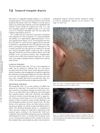
 Temporal triangular alopecia is a lifelong condition with hairless patches on the side of the head that may be present from birth.
March 2022 in “Journal of cosmetic dermatology” Botanical extracts can help treat hair loss in people with certain genetic conditions.
 96 citations
,
January 2013 in “International Journal of Trichology”
96 citations
,
January 2013 in “International Journal of Trichology” Trichoscopy is a useful, non-invasive way to diagnose different types of hair loss.
8 citations
,
January 2011 in “International journal of trichology” Accurate diagnosis of APL is crucial to avoid unnecessary treatments.
35 citations
,
May 2006 in “Journal of Investigative Dermatology” Monilethrix involves multiple genes affecting hair structure, including DSG4 mutations.