98 citations
,
December 2015 in “The Journal of Cell Biology” Keratin is crucial for skin barrier formation and affects mitochondrial function.
5 citations
,
July 2024 in “Journal of Microbiology and Biotechnology” ICP5249 helps hair grow by activating a specific cell pathway.
June 2010 in “Chinese Journal of Dermatology” A new gene mutation is linked to monilethrix in the studied family.

CaBP1 and 2 are necessary for maintaining calcium currents and hearing in inner ear cells.
 4 citations
,
April 2015 in “Experimental Dermatology”
4 citations
,
April 2015 in “Experimental Dermatology” Certain genes controlled by OVOL1 are crucial for creating new hair follicles.
26 citations
,
October 1998 in “Experimental Dermatology” A keratin hHb6 mutation causes a hair disorder with varying severity, influenced by other factors.
17 citations
,
July 1984 in “British journal of dermatology/British journal of dermatology, Supplement” The four patients have a unique type of ichthyosis affecting hair follicles.
 10 citations
,
September 2015 in “PLoS ONE”
10 citations
,
September 2015 in “PLoS ONE” New mutations in the VDR gene cause vitamin D-resistant rickets without hair loss.
The research developed new fortilin protein constructs for potential heart disease treatments.
3 citations
,
April 2020 in “American Journal of Case Reports” A new mutation in the HJV gene was found in a young woman with juvenile hemochromatosis, causing unusual symptoms like secondary hypothyroidism.
 7 citations
,
January 2019 in “Australasian Journal of Dermatology”
7 citations
,
January 2019 in “Australasian Journal of Dermatology” A genetic marker linked to a type of hair loss was found in most patients studied.
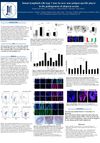
Innate lymphoid cells type 1 may contribute to alopecia areata by damaging hair follicles.
FGF5 spliceosomes inhibit rabbit hair growth by affecting gene expression.
 November 2022 in “The journal of investigative dermatology/Journal of investigative dermatology”
 The STRIPAK complex is crucial for skin cell organization and creating a functional skin barrier.
 July 2022 in “Journal of Investigative Dermatology”
 Lef1 is essential for normal skin, hair growth, and healing wounds in mice.
 28 citations
,
February 2020 in “Clinical Ophthalmology”
28 citations
,
February 2020 in “Clinical Ophthalmology” Certain medications and patient factors increase the risk of Intraoperative Floppy Iris Syndrome during cataract surgery, but with careful planning and technique adjustments, complications can be minimized.
 30 citations
,
January 2021 in “Journal of Clinical Immunology”
30 citations
,
January 2021 in “Journal of Clinical Immunology” FOXN1 mutations can cause varying immune and physical issues, with severity influenced by gene activity and possibly other factors.
37 citations
,
January 2010 in “Human Molecular Genetics” FTase and GGTase-I are essential for skin keratinocyte health.

Blocking the Mitochondrial Pyruvate Carrier causes stress in hair follicles, which can be reduced by an ISR inhibitor.
24 citations
,
January 2018 in “Development” Frizzled 3 and Frizzled 6 together control the orientation of mouse hair follicles.
 47 citations
,
August 2000 in “Endocrine Reviews”
47 citations
,
August 2000 in “Endocrine Reviews” The document concludes that more research is needed to understand excessive hair growth in women with normal hormone levels and regular ovulation.
 September 2025 in “Digital Commons - RU (Rockefeller University)”
 FOXC1 is essential for keeping hair follicle stem cells inactive and maintaining their environment for healthy hair growth.
 January 2026 in “Figshare”
 ASLNC168501 may help treat hair loss by boosting hair follicle stem cell activity.
 June 2018 in “Global Journal of Reproductive Medicine”
 Idiopathic hirsutism may be linked to increased skin enzyme activity, and new treatments like laser and eflornithine cream show promise.
12 citations
,
February 2023 in “Stem Cell Research & Therapy” HGF-modified hair follicle stem cells help brain recovery after injury in rats.
August 2025 in “Biomedicines” Half-siblings with a rare skin condition improved with treatment for a fungal infection, but hair loss remained.
 November 2020 in “International journal of contemporary pediatrics”
 Two siblings had a rare immune disorder caused by a FOXN1 gene mutation.
January 2015 in “DukeSpace (Duke University)” Transferrin receptor 1 is essential for normal function in the intestines, pancreas, and skin.
2 citations
,
October 2023 in “Philosophical Transactions of the Royal Society B Biological Sciences” Different PADI isoforms help cells develop diverse functions.
19 citations
,
July 1997 in “British Journal of Dermatology” LHTric-1 is a specific antibody useful for studying hair and nail formation.