11 citations
,
July 2022 in “Frontiers in Immunology” Four specific genes are linked to keloid formation and could be potential treatment targets.
January 2025 in “Journal of Investigative Dermatology” June 2026 in “Strathprints: The University of Strathclyde institutional repository (University of Strathclyde)” Topical IKKα inhibitors may help prevent CCS tumours.
 April 2023 in “The journal of investigative dermatology/Journal of investigative dermatology”
 Removing UBE2N from skin cells causes inflammation and immune response, which can be lessened with specific inhibitors.
 13 citations
,
June 2018 in “Journal of histochemistry and cytochemistry/The journal of histochemistry and cytochemistry”
13 citations
,
June 2018 in “Journal of histochemistry and cytochemistry/The journal of histochemistry and cytochemistry” Laminin-511 may contribute to psoriasis by affecting skin cell growth and survival.
 4 citations
,
January 2011 in “Journal of Cosmetics, Dermatological Sciences and Applications”
4 citations
,
January 2011 in “Journal of Cosmetics, Dermatological Sciences and Applications” Vitamin B12 may promote hair growth by affecting certain cell processes.
 7 citations
,
September 2020 in “Frontiers in Cell and Developmental Biology”
7 citations
,
September 2020 in “Frontiers in Cell and Developmental Biology” IL-36α helps grow new hair follicles and speeds up wound healing.
50 citations
,
December 2005 in “European Journal of Immunology” RXRα is crucial for proper immune response and links diet to immune function.
July 2025 in “Journal of Investigative Dermatology” Enhancing Tregs can protect against alopecia areata.
May 2024 in “International journal of medicine and psychology.” Monoclonal antibodies LT-1, LT-2, and LT-7 help diagnose certain blood cancers.
1 citations
,
October 2023 in “PROTOPLASMA”  April 2023 in “The journal of investigative dermatology/Journal of investigative dermatology”
 People with alopecia areata have fewer IL-10 producing immune cells, which might contribute to the condition.
 April 2023 in “Journal of Investigative Dermatology”
 Type 1/17 inflammation in psoriasis increases skin cell growth due to a molecule that could be a new treatment target.
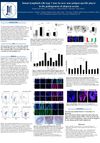
Innate lymphoid cells type 1 may contribute to alopecia areata by damaging hair follicles.
December 2024 in “International Journal of Molecular Sciences” Targeting CXCL12 may help treat hair loss caused by androgens.
April 2018 in “The journal of investigative dermatology/Journal of investigative dermatology” Certain immune cells, when activated by specific signals, can encourage hair growth.
101 citations
,
July 1998 in “Journal of Investigative Dermatology” UVB exposure in human skin causes macrophages to produce more IL-10 and less IL-12, leading to immunosuppression.
July 2022 in “The Egyptian Journal of Hospital Medicine” Targeting IL-15 may help treat Alopecia Areata.
 140 citations
,
March 2013 in “The journal of immunology/The Journal of immunology”
140 citations
,
March 2013 in “The journal of immunology/The Journal of immunology” Memory regulatory T cells need IL-7, not IL-2, to stay in peripheral tissues.
11 citations
,
July 2010 in “European Journal of Dermatology” The condition is linked to chromosome 12, but no mutations were found in the known genes.

Dual TCR Treg cells are common in various mouse tissues and show diverse characteristics.
20 citations
,
July 2017 in “Journal of Investigative Dermatology” IL-1 receptor absence in mice leads to skin cysts and changes in immune response after UVB exposure.
54 citations
,
January 1995 in “Human Molecular Genetics” Monilethrix is linked to a gene cluster on chromosome 12.
17 citations
,
September 2018 in “Matrix Biology” Laminin-511 is essential for proper melanocyte movement and development in mice.
 February 2025 in “PubMed”
 CS12192 effectively treats alopecia areata with better safety than current options.
IL-1 signaling is crucial for hair follicle stem cell growth and wound healing.
September 2025 in “Development” Nelfb is crucial for forming skin fat tissue by regulating genes needed for fat cell development.
May 2005 in “Molecular Carcinogenesis” mrp/plf-mRNA can indicate tumor-promoting effects in skin.
1 citations
,
February 2025 in “Journal of Dairy Science” The SLICK1 allele in Holstein heifers affects hair and immune traits without altering prolactin signaling.
 January 2022 in “bioRxiv (Cold Spring Harbor Laboratory)”
 The gp130 receptor helps in tissue regeneration and disease progression, and manipulating it could improve healing and prevent disease.