Search
for
Sort by
Research
120-150 / 1000+ resultsresearch Th1/Th2 PB balance and CD200 expression of patients with active severe alopecia areata
Patients with severe active alopecia areata have lower CD200 expression and an imbalance in their immune system.

research 197 A novel splice site mutation in LIPH identified in a Japanese patient with autosomal recessive woolly hair
Researchers found a new genetic mutation linked to a hair condition in a Japanese boy.
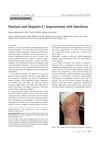
research Psoriasis and Hepatitis C: Improvement with Interferon
A woman's psoriasis improved after hepatitis C treatment with interferon, despite interferon's risk of worsening skin conditions.
research Elevated serum heat shock protein-70 and interleukin-15: prognostic biomarkers correlating with clinical severity and diagnostic efficacy in active alopecia areata
High levels of HSP70 and IL-15 are linked to more severe alopecia areata.
research 0085 Th1/Th2 balance, IFN-γ–MHC-I axis, and regulatory T cells define therapeutic response endotypes in alopecia areata

research TLR3 signaling modulates immunomodulatory property of human periodontal ligament stem cells.
TLR3 signaling enhances the immunosuppressive properties of human periodontal ligament stem cells.
research Clinical Snippets
Vitamin D helps protect skin, PSORS1 gene's risk interval for psoriasis is expanded, hair follicles can be generated from mouse cells, and interferon-γ may cause pigmented skin lesions.
research Netherton syndrome subtypes share IL-17/IL-36 signature with distinct IFN-α and allergic responses
Netherton syndrome has two subtypes with shared immune traits but different allergic and immune responses, suggesting targeted treatments.

research CS12192 Reverses Alopecia Areata by Selectively Targeting JAK3/JAK1/TBK1.
CS12192 effectively treats alopecia areata with better safety than current options.
research Multiplex matrix network analysis of protein complexes in the human TCR signalosome
Alopecia areata patients show unique protein activity patterns, suggesting imbalanced signaling pathways.
research Linkage of Monilethrix to the Trichocyte and Epithelial Keratin Gene Cluster on 12q11-q13

research High-confidence cancer patient stratification through multiomics investigation of DNA repair disorders
CEP135 may predict cancer outcomes, and targeting PLK1 could help treat certain sarcomas.
research Low-Dose IL-2 for Treating Moderate to Severe Alopecia Areata: A 52-Week Multicenter Prospective Placebo-Controlled Study Assessing its Impact on T Regulatory Cell and NK Cell Populations
The study's results on the effectiveness of low-dose IL-2 for alopecia areata and its impact on immune cells were not provided.
research IL-3 contributes to development of lupus nephritis in MRL/Ipr mice
IL-3 worsens lupus nephritis and blocking it improves kidney health.
research 178 Neutrophil elastase is critical in linear IgA bullous dermatosis in mice
CD8+ T cells attack hair follicle stem cells, causing scarring and hair loss.
research 549 Temporary cell cycle arrest in human scalp hair follicles and their epithelial stem cells by ALRN-6924: A novel strategy to selectively protect p53-wildtype cells against paclitaxel-induced alopecia
ALRN-6924 may prevent hair loss caused by chemotherapy.

research Olink proteomics analysis of scalp psoriasis reveals a cytokine storm inflammatory mainly related to bacterial-derived antigens
Scalp psoriasis inflammation is mainly caused by bacteria-related triggers.
research A novel mutation in ST14 at a functionally significant amino acid residue expands the spectrum of ichthyosis-hypotrichosis syndrome
A new mutation in the ST14 gene broadens the understanding of ichthyosis-hypotrichosis syndrome.

research MCPIP1 controls effects of myeloid cells on skin carcinogenesis and hair growth
MCPIP1 in myeloid cells is important for skin cancer development and healthy hair growth.

research SPT6 maintains epidermal homeostasis by inhibiting an NF-κB-positive feedback loop to prevent excessive inflammation
SPT6 prevents excessive skin inflammation by blocking a feedback loop.
research Merkel cell polyomavirus infection and persistence modelled in skin organoids
Merkel cell polyomavirus can infect and persist in skin cells, evading the immune system, but certain treatments can control it.
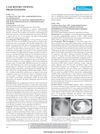
research ANTI-CD19 MONOCLONAL ANTIBODY FOR SYSTEMIC LUPUS ERYTHEMATOSUS AND NEUROMYELITIS OPTICA SPECTRUM DISORDER
Anti-CD19 therapy may help treat SLE and NMOSD.
research 1373 Expression of programmed cell death 1 inversely correlated with the density of CD8+ T cells infiltrating hair follicles in alopecia areata
Higher PD-1 levels are linked to fewer immune cells in hair follicles in alopecia areata.
research CD200-Mediated Regulation of Skin Immunity
research Gene Expression of CD70 and CD27 Is Increased in Alopecia Areata Lesions and Associated with Disease Severity and Activity
Higher CD70 and CD27 gene expression in alopecia areata lesions predicts disease severity and activity.
research Hair Follicle Mesenchyme-Associated PD-L1 Regulates T-Cell Activation Induced Apoptosis: A Potential Mechanism of Immune Privilege
Hair follicle cells help protect against immune attacks by regulating T-cell activity.
research 006 Exogenous IL-27 promotes immunosuppressive T cells and prevents the development of alopecia areata in C3H/HeJ mice
IL-27 may help prevent hair loss in alopecia areata by promoting immunosuppressive T cells.
research Author response: IL18 signaling promotes homing of mature Tregs into the thymus
IL-18 signaling helps mature Tregs move into the thymus.
research The Phenotype of Circulating Follicular-Helper T Cells in Patients with Rheumatoid Arthritis Defines CD200 as a Potential Therapeutic Target
Targeting CD200 could be a new treatment for rheumatoid arthritis.