4 citations
,
December 2016 in “Blood” A new gene mutation may cause cyclic thrombocytopenia by affecting platelet production.
July 2022 in “Journal of Investigative Dermatology” Inhibiting TYK2 can restore hair growth in alopecia areata.
13 citations
,
August 2017 in “Journal of Cellular Physiology” PD‐L1 and PD‐L2 may not effectively control immune activation in alopecia areata.
Controlling Tslp can improve health in AEC syndrome patients.
1 citations
,
April 2024 in “JDDG Journal der Deutschen Dermatologischen Gesellschaft” Tislelizumab can cause cutaneous lupus erythematosus.
135 citations
,
October 1999 in “Journal of Cell Science” Overexpressing PKCα in mice skin increases inflammation but doesn't affect tumor growth.
6 citations
,
June 2016 in “Journal of cellular biochemistry” The Hr protein binds to DNA, interacts with p53, and affects cell cycle genes.
 January 2025 in “Cellular and Molecular Biology”
 The PIP5K1A gene helps cashmere growth in goats by promoting cell proliferation, and melatonin boosts its expression.
3 citations
,
February 2018 in “Experimental and Molecular Medicine/Experimental and molecular medicine” A protein called PCBP2 controls the production of a hair growth protein by interacting with its genetic message and is linked to hair loss when this control is disrupted.
November 2024 in “Journal of Investigative Dermatology” Targeting PTEN can improve healing in venous leg ulcers.
 6 citations
,
January 2020 in “International journal of biological sciences”
6 citations
,
January 2020 in “International journal of biological sciences” Removing the ROBO4 gene in mice reduces skin inflammation and hair loss by affecting certain inflammation pathways and gene expression.
 March 2023 in “Clinical, cosmetic and investigational dermatology”
 IL-33 is linked to hair follicle damage in psoriasis and could be a treatment target for hair loss in this condition.
April 2023 in “Journal of Investigative Dermatology” IL-17 plays a key role in severe hair loss in chronic alopecia areata.
IL-18 signaling helps mature Tregs move into the thymus.
1 citations
,
October 2023 in “European Journal of Dermatology” Combining hair transplantation with PRP is more effective for treating hair loss than hair transplantation alone.
2 citations
,
August 2016 in “Journal of Investigative Dermatology”  25 citations
,
July 1994 in “Archives of Dermatology”
25 citations
,
July 1994 in “Archives of Dermatology” A man's skin condition, pemphigus vulgaris, came back after he was treated with interleukin 2 for cancer.
 August 2023 in “The journal of investigative dermatology/Journal of investigative dermatology”
 Ixekizumab may be an effective first treatment for a rare skin condition causing hair loss.
 January 2012 in “Journal of Investigative Dermatology”
 Small molecule DMF improves psoriasis and multiple sclerosis, adult skin cells can be made to grow new hair, certain skin cells initiate hair growth, IL-17C controls gut health and can cause skin inflammation, and skin cells produce IL-17 that can lead to psoriasis.
10 citations
,
November 2023 in “Science Immunology” Super-enhancers control CD25 expression in specific cell types, affecting immune function.
2 citations
,
July 2022 in “The Kaohsiung Journal of Medical Sciences” FTY720 helps transplanted fat survive better by reducing immune rejection and improving blood vessel growth.
9 citations
,
August 2023 in “Journal of Investigative Dermatology” IL-15 helps hair grow longer and stronger by extending the growth phase and reducing cell death.
 April 2016 in “The journal of investigative dermatology/Journal of investigative dermatology”
 RPGRIP1L helps skin cells stick together by blocking PKCβII, which can prevent skin blistering like in pemphigus.
High CCL11 levels may indicate poor response to baricitinib in severe alopecia areata.
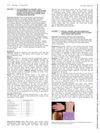
A TNFAIP3 gene mutation can cause unusual and varied symptoms of lupus and Sjogren's syndrome.
3 citations
,
December 2023 in “Aging” hsa_circ_0002980 can help stop liver cancer cells from growing and spreading.
9 citations
,
June 2023 in “Cells” Certain natural and synthetic compounds may help treat inflammatory skin diseases by targeting a specific signaling pathway.
52 citations
,
June 1991 in “Journal of Virology” The hamster polyomavirus middle T antigen is linked to tumors in hamsters and associates with a specific tyrosine kinase.
3 citations
,
January 2023 in “JEADV Clinical Practice” IL-17 is more important than IFN-γ in causing severe hair loss in chronic alopecia areata.
5 citations
,
May 2022 in “Diagnostics” Certain genetic markers can indicate higher or lower risk for systemic lupus erythematosus.