2 citations
,
April 2025 in “Journal of Investigative Dermatology” T cells affect skin cell genes in inflammatory diseases, and therapy can normalize these changes.
2 citations
,
August 2023 in “Molecules” SH-340 may improve skin barrier and help treat atopic dermatitis.
1 citations
,
October 2025 in “Journal of Dermatological Treatment” Dupilumab improves eczema in Netherton Syndrome but not ichthyosis linearis circumflexa.
 May 2025 in “International Journal of Molecular Sciences”
 Exosomes from rat hair follicle stem cells may help heal wounds and regenerate skin.
 January 2025 in “International Journal of Molecular Sciences”
 Psoriasis involves immune and genetic factors, and understanding these can improve treatments.
 January 2008 in “US endocrinology”
 Mutations in the glucocorticoid receptor gene cause reduced sensitivity to glucocorticoids and may lead to poor response to treatment.

Certain immune markers and vitamin levels could help diagnose alopecia areata.
70 citations
,
June 2023 in “International Journal of Molecular Sciences” Air pollution harms skin health and can worsen skin diseases.
10 citations
,
January 2019 in “International Immunology” Immune cells help keep skin healthy and repair it, but imbalance can cause disease.
8 citations
,
November 2024 in “EMBO Molecular Medicine” Targeting JAK-STAT1 can reduce inflammation and promote hair growth in conditions linked to EGFR deficiency.
4 citations
,
September 2024 in “Cell Reports” Granulocyte colony stimulating factor helps heal wounds without scars.
March 2026 in “Immunological Medicine” Janus kinase inhibitors help some people with severe alopecia areata regrow hair, but not everyone responds, and relapses can happen.
 22 citations
,
June 2018 in “Journal of Neuroinflammation”
22 citations
,
June 2018 in “Journal of Neuroinflammation” Procyanidins from grape seeds reduce nerve pain by blocking specific proteins and inflammation.
 January 2026 in “Food Science and Human Wellness”
 Flammulina velutipes polysaccharide helps the immune system fight tumors by activating certain pathways.
 July 2019 in “Journal of the Formosan Medical Association”
 Melatonin may help with nerve pain, a hepatitis C drug is effective but has side effects, a treatment for mouth sores works but can cause blood issues, ear reconstruction with an implant is safe, HIV transmission from mother to child in Taiwan is now 0% with treatment, certain blood problems are more common in people with a tongue condition, a gene and being overweight are linked to hair loss in some women, a new technique could reduce radiation for lung nodule patients, a hepatitis treatment may lower cancer recurrence after a procedure, and adding extra screening improves tuberculosis detection in patients with lung infections.
13 citations
,
January 2016 in “Annals of Dermatology” Stress can slow hair growth by affecting certain cells and pathways.
6 citations
,
November 2023 in “Chinese Medicine” Xinyang Tablet improves heart function in sepsis by reducing inflammation.
3 citations
,
August 2024 in “Frontiers in Immunology” Targeting specific biomarkers and immune signals is more effective and safer for treating inflammatory skin diseases.
21 citations
,
April 2025 in “MedComm” Alopecia areata causes unpredictable hair loss, and more research is needed to fully understand and treat it effectively.
60 citations
,
November 2023 in “Biology” Aging skin causes inflammation that affects the whole body.
 9 citations
,
January 2020 in “Critical Reviews in Immunology”
9 citations
,
January 2020 in “Critical Reviews in Immunology” MAIT cells may help fight COVID-19 but also contribute to severe inflammation.
 January 2018 in “Springer eBooks”
 PDE inhibitors, especially PDE4 inhibitors like apremilast, are effective for certain inflammatory skin conditions but have side effects and can be costly.
 8 citations
,
May 2018 in “The Journal of Allergy and Clinical Immunology”
8 citations
,
May 2018 in “The Journal of Allergy and Clinical Immunology” Activating the Nrf2 pathway reduces inflammation and cell activation in human hair follicles, suggesting a potential treatment for certain hair loss conditions.
 March 2018 in “Suez Canal University Medical Journal”
 New drugs targeting the JAK-STAT pathway show promise for treating inflammatory skin diseases.
 January 2023 in “Discovery immunology”
 T cells and bacteria in the gut and skin help maintain health and protect against disease.
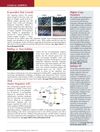 July 2016 in “Experimental Dermatology”
 New treatments for hair growth and psoriasis may be possible, and gene differences could affect baldness and the severity of skin conditions.
 March 2026 in “Frontiers in Medicine”
 New therapies for rare skin diseases show promise but need more research.
Diet and supplements can significantly affect acne, with some foods and nutrients reducing and others worsening it.
 September 2018 in “Fertility and Sterility”
 High levels of testosterone and anti-Müllerian hormone before pregnancy are linked to a higher risk of newborns needing intensive care.
 43 citations
,
February 2019 in “International immunology”
43 citations
,
February 2019 in “International immunology” Special immune cells called Regulatory T cells help control skin inflammation and repair in various skin diseases.