February 2026 in “Frontiers in Immunology” Skin diseases like acne and psoriasis are linked to stress, gut health, and inflammation, with new treatments focusing on gut and mind-body approaches.
 February 2026 in “MDPI (MDPI AG)”
 Exosome-based treatments may improve skin and hair issues, but more research is needed for safety and effectiveness.
February 2026 in “Advanced Sensor Research” Advanced technologies can improve understanding and monitoring of skin-brain interactions.
January 2026 in “JPRAS Open” PDLLA scalp injections improved hair regrowth in most patients with non-scarring alopecia.
January 2026 in “Acta Dermato Venereologica” Dupilumab effectively treats severe skin issues in a rare genetic disorder.
December 2025 in “Biomolecules” Targeting protein S-palmitoylation could lead to new skin disease treatments.
October 2025 in “Bioengineering” Coating surgical meshes with PRP may improve hernia repair outcomes.
October 2025 in “Frontiers in Pharmacology” Arctium lappa L. might help treat immune-related skin diseases, but more research is needed.
 August 2025 in “Frontiers in Microbiology”
 Microneedling, especially with halometasone, improves hair regrowth and gut health in alopecia areata.
August 2025 in “American Journal of Dermatopathology” Accurate diagnosis and personalized treatment are crucial in dermatopathology.
July 2025 in “Nano Research” Nanotechnology can improve tissue healing by controlling immune responses.
July 2025 in “International Journal of Trichology” Biological factors are crucial for developing new hair restoration treatments.
1′S-1′-Acetoxychavicol acetate may help treat hair loss by reducing oxidative stress.
April 2025 in “Annals of Medicine” Compound glycyrrhizin with conventional treatments is effective and safe for hair regrowth in alopecia areata.
 January 2025 in “Frontiers in Pediatrics”
 Baricitinib significantly improved hair regrowth and skin condition in a 14-year-old with alopecia areata and atopic dermatitis.
 March 2024 in “Indian Journal of Dermatology/Indian journal of dermatology”
 Exosomes could be key in treating skin conditions and healing wounds.
February 2024 in “Veterinary sciences” Canine pemphigus foliaceus involves significant immune activity and shares similarities with human pemphigus.
 January 2024 in “Journal der Deutschen Dermatologischen Gesellschaft”
 Non-biologic immunosuppressive drugs are crucial for treating autoimmune and chronic inflammatory skin diseases.
 May 2023 in “Journal of managed care & specialty pharmacy”
 Alopecia areata causes hair loss and life quality issues; current treatments are often unsatisfactory, but new drugs like JAK inhibitors show promise.
June 2020 in “Journal of Investigative Dermatology” The symposium highlighted the importance of genetics in understanding and treating complex skin diseases.
46 citations
,
November 2022 in “The Journal of Dermatology” Bullous pemphigoid is influenced by genetic factors, immune cell dysfunction, aging, and triggers, with treatment often improving symptoms.
14 citations
,
February 2023 in “Frontiers in Bioengineering and Biotechnology” Hydrogel composites are promising for treating chronic diabetic ulcers due to their versatility and effectiveness.
3 citations
,
July 2024 in “Skin Research and Technology” Asthma may increase the risk of alopecia areata.
February 2026 in “International Journal of Clinical Dermatology” Certain probiotics can help improve skin conditions like atopic dermatitis, but more research is needed.
August 2025 in “MedComm – Biomaterials and Applications” Liposomal delivery systems improve drug absorption through the skin, offering potential for better treatments.
July 2025 in “Pharmaceutics” Recombinant Human Annexin A5 may help treat localized scleroderma by reducing skin thickening and inflammation.
July 2025 in “Journal of the Dermatology Nurses’ Association” Stress affects skin health, and mental health support is crucial for patients with skin conditions.
 68 citations
,
November 2015 in “The Journal of Allergy and Clinical Immunology”
68 citations
,
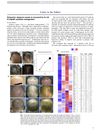
November 2015 in “The Journal of Allergy and Clinical Immunology” Blocking IL-12/IL-23p40 helped reverse severe hair loss in patients.
4 citations
,
October 2020 in “The journal of investigative dermatology. Symposium proceedings/The Journal of investigative dermatology symposium proceedings” IL-4 and IL-13 might play a role in a type of hair loss similar to alopecia areata.
July 2024 in “Journal of Investigative Dermatology” IL-13 protein is much higher in the skin of atopic dermatitis patients than in healthy skin.