Search
for
Sort by
Research
720-750 / 1000+ results
research Dyad of infantile cutaneous and thymic Langerhans cell histiocytosis: Is it rare?
Thymic LCH may be underdiagnosed, so thymic ultrasound should be considered in infants with cutaneous LCH.

research Plakophilin 1 suppresses keratinocyte innate immune responses through DExD/H helicases
Plakophilin 1 helps control skin cell immune responses to prevent excessive inflammation.
research Table 1_Integrated single-cell chromatin and transcriptomic analyses of peripheral immune cells in patients with alopecia areata.docx
Alopecia areata involves immune system changes, especially in severe cases, with potential new treatment targets identified.
research sPLA2-IIA Overexpression in Mice Epidermis Depletes Hair Follicle Stem Cells and Induces Differentiation Mediated Through Enhanced JNK/c-Jun Activation
Overexpression of sPLA2-IIA in mouse skin reduces hair stem cells and increases cell differentiation through JNK/c-Jun pathway activation.

research The possible implication of the S250C variant of the autoimmune regulator protein in a patient with autoimmunity and immunodeficiency: in silico analysis suggests a molecular pathogenic mechanism for the variant
The S250C variant in a gene may cause autoimmunity and immunodeficiency by impairing protein function.
research CRISPR/Cas9-Mediated Generation of COL7A1-Deficient Keratinocyte Model of Recessive Dystrophic Epidermolysis Bullosa.
Scientists created a cell model to study and find treatments for a skin disease called RDEB.

research Microneedle‐mediated Delivery of Immunomodulators Restores Immune Privilege in Hair Follicles and Reverses Immune‐Mediated Alopecia
A microneedle patch can help regrow hair by restoring immune balance in hair follicles.

research USE OF UPADACITINIB IN 2 CASES OF REFRACTORY SYSTEMIC LUPUS ERYTHEMATOSUS
Upadacitinib may help treat difficult cases of systemic lupus erythematosus.
research FOXE1, A New Transcriptional Target of GLI2 Is Expressed in Human Epidermis and Basal Cell Carcinoma
research ZNF750 safeguards upper hair follicle homeostasis to prevent inflammatory skin disease
ZNF750 helps keep hair follicles healthy and prevents skin inflammation.

research FC053 Pro-inflammatory cytokine cascade in human plucked hair
Anti-IL-1 treatments might help with certain types of hair loss in people with high inflammation.
research Anti-CD44-mediated blockade of leukocyte migration in skin-associated immune diseases
Blocking CD44 can reduce leukocyte migration in autoimmune skin diseases.
research 688 Precise and efficient editing of the COL7A1 gene in RDEB derived iPSCs with CRISPR/Cas9 and prime editing
CRISPR/Cas9 and prime editing can potentially fix skin disorder genes safely and effectively.
research A novel missense mutation in the mouse hairless gene causes irreversible hair loss: Genetic and molecular analyses of Hrm1Enu
A new genetic mutation in mice causes permanent hair loss and skin wrinkling.

research 5175 A Rare Case of Type B Insulin Resistance Syndrome
Type B Insulin Resistance Syndrome is rare, linked to lupus, and hard to treat due to severe insulin resistance.
research A human vitamin D receptor mutation causes rickets and impaired Th1/Th17 responses
A vitamin D receptor mutation causes rickets and affects immune responses.
research A frameshift mutation in HTRA1 expands CARASIL syndrome and peripheral small arterial disease to the Chinese population
A new genetic mutation linked to CARASIL syndrome and small artery disease was found in a Chinese family.
research Human Peptidylarginine Deiminase Type III: Molecular Cloning and Nucleotide Sequence of the cDNA, Properties of the Recombinant Enzyme, and Immunohistochemical Localization in Human Skin
PAD3 plays a key role in hair and skin protein structure and may be linked to skin diseases.
research Wnt Signaling Influences the Development of Murine Epidermal Langerhans Cells
Wnt signaling affects the development and growth of Langerhans cells in mice.

research Suspected upadacitinib-associated drug hypersensitivity mimicking disease exacerbation in ulcerative colitis
Upadacitinib can cause hypersensitivity that worsens ulcerative colitis symptoms.
research Pitfalls of PCR-Based Strategy for Genotyping Cre-Loxp Mice
PCR genotyping in cre-loxP mice can be inaccurate due to unintended gene deletions in non-target tissues.

research 301 The Spectrum of PLEC Sequence Variants and Related Plectinopathies Including Novel Association with Epidermolysis Bullosa Pruriginosa
Neutrophils quickly respond to skin injury.

research Function and interactions of the Ysc84/SH3yl1 family of actin- and lipid-binding proteins
The Ysc84/SH3yl1 protein family is important for cell movement and the process of taking in materials by interacting with actin and cell membranes.
research Syndromic epidermolysis bullosa simplex subtype due to mutations in the KLHL24 gene: series of case reports in Russian families
Mutations in the KLHL24 gene cause a skin disorder in some Russian families.

research 1397 LSD1 is critical for epidermal development and skin barrier formation
LSD1 is essential for healthy skin development and creating the skin's protective barrier.

research 1367 The protective role of miR-486 for alopecia areata
miR-486 may help prevent hair loss in alopecia areata.
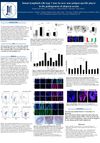
research Innate lymphoid cells type 1 may be new, non-antigen-specific player in the pathogenesis of alopecia areata
Innate lymphoid cells type 1 may contribute to alopecia areata by damaging hair follicles.
research 068 Pathogenic Th17 cells, CD8+CD69+CD49a- tissue-resident memory T cells and common γ chain receptor + natural killer cells express more IL-17, compared to IFN-γ, under the foxp3+ memory regulatory T cells-depleted microenvironment in patients with chronic alopecia areata
IL-17 plays a key role in severe hair loss in chronic alopecia areata.