 123 citations
,
September 1987 in “JAMA”
123 citations
,
September 1987 in “JAMA” IL-2 treatment causes skin eruptions and other reversible side effects, and may play a role in psoriasis.
 April 2025 in “Journal of the Association for Research in Otolaryngology”
 NM2 and RLC phosphorylation are essential for normal inner ear hair cell function.
ILC1-like cells can independently cause alopecia areata by affecting hair follicles.
September 2019 in “Journal of Investigative Dermatology” Innate lymphoid cells type 1 may contribute to alopecia areata.
14 citations
,
July 2019 in “Journal of Investigative Dermatology” Integrin-linked kinase is crucial for melanoblasts to properly colonize the skin.
 April 2018 in “Journal of Investigative Dermatology”
 CENPV, a new partner of CYLD, helps regulate ciliary acetylated tubulin and is overexpressed in certain skin tumors.
June 2026 in “Strathprints: The University of Strathclyde institutional repository (University of Strathclyde)” Topical IKKα inhibitors may help prevent CCS tumours.
 April 2024 in “BMB Reports”
 Lack of Cisd2 disrupts calcium balance in cells, leading to poorly functioning neutrophils.
 March 2026 in “SKIN The Journal of Cutaneous Medicine”
 All parts of the CLASI-A score are important for assessing skin activity in cutaneous lupus erythematosus.
181 citations
,
January 2019 in “Cell” Innate lymphoid cells help control skin bacteria by regulating sebaceous glands.
November 2022 in “Journal of Investigative Dermatology” ILC1-like cells can cause alopecia areata by themselves.
28 citations
,
January 2015 in “Journal of Cell Science” PINCH-1 is crucial for skin cell adhesion and movement, working with EPLIN and ILK.
1 citations
,
January 2023 in “Pediatric Dermatology” Early diagnosis and teamwork are crucial for managing ILVASC effectively.
171 citations
,
June 2004 in “Journal of Investigative Dermatology” GLI2 activates GLI1, promoting skin tumor growth and hair development.
40 citations
,
July 2015 in “Kidney International” IL-3 worsens lupus nephritis and blocking it improves kidney health.
 April 2018 in “Journal of Investigative Dermatology”
 IL-17C is important in inflammatory skin diseases and could be a target for treatment.
20 citations
,
July 2017 in “Journal of Investigative Dermatology” IL-1 receptor absence in mice leads to skin cysts and changes in immune response after UVB exposure.
ILC1-like cells may contribute to hair loss in alopecia areata and could be new treatment targets.
ILC1-like cells may contribute to hair loss in alopecia areata.
 140 citations
,
March 2013 in “The journal of immunology/The Journal of immunology”
140 citations
,
March 2013 in “The journal of immunology/The Journal of immunology” Memory regulatory T cells need IL-7, not IL-2, to stay in peripheral tissues.
 1 citations
,
October 2023 in “Skin research and technology”
1 citations
,
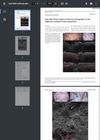
October 2023 in “Skin research and technology” LC-OCT is an effective new method for diagnosing classic lichen planopilaris.
22 citations
,
May 2011 in “Molecular Biology of the Cell” Integrin-linked kinase is crucial for normal skin healing.
 January 2026 in “Frontiers in Immunology”
 Icariin can regulate macrophages and may help treat inflammation, cancer, bone disorders, and fibrotic diseases.
 May 2024 in “British journal of dermatology/British journal of dermatology, Supplement”
 CYLD deficiency in skin tumors disrupts hair follicle cell processes and protein secretion.
1 citations
,
August 2021 in “Journal of Investigative Dermatology” ASLAN004 was safe and well-tolerated, supporting further development for treating certain diseases.
22 citations
,
September 2020 in “The journal of investigative dermatology/Journal of investigative dermatology” The study's results on the effectiveness of low-dose IL-2 for alopecia areata and its impact on immune cells were not provided.
 July 2023 in “British journal of dermatology/British journal of dermatology, Supplement”
 Skin tumors with CYLD cutaneous syndrome show more NF-κB activity and less organized collagen.
Lhx2 is essential for effective Sonic Hedgehog signaling in early retinal development.
6 citations
,
January 2010 in “Journal of Biochemical and Molecular Toxicology” The ID2 gene can help distinguish between sensitizers and irritants in skin cells.
22 citations
,
September 2014 in “JAMA dermatology” Ichthyosis with confetti is a genetic skin disorder with consistent ectodermal malformations and various KRT10 gene mutations.