181 citations
,
January 2019 in “Cell” Innate lymphoid cells help control skin bacteria by regulating sebaceous glands.
 86 citations
,
April 2016 in “Nature Communications”
86 citations
,
April 2016 in “Nature Communications” Notch1 helps skin heal by attracting specific immune cells.
24 citations
,
August 2022 in “Immunity” Type 2 immunity helps control mite growth in hair follicles, preventing damage.
 9 citations
,
April 2021 in “Frontiers in Immunology”
9 citations
,
April 2021 in “Frontiers in Immunology” Unconventional lymphocytes are important for quick immune responses and healing of skin and mucosal barriers.
 March 2021 in “bioRxiv (Cold Spring Harbor Laboratory)”
 A specific immune response helps control mite populations on the skin, maintaining healthy hair follicles.
February 2024 in “International journal of molecular sciences” Type 3 Innate Lymphoid Cells help maintain skin health and balance, and are involved in skin diseases and healing.
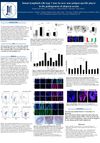
Innate lymphoid cells type 1 may contribute to alopecia areata by damaging hair follicles.
36 citations
,
January 2010 in “International Journal of Trichology” Intralesional steroids can help regrow hair in some alopecia areata patients but have side effects.
 19 citations
,
May 2019 in “Journal of Cosmetic Dermatology”
19 citations
,
May 2019 in “Journal of Cosmetic Dermatology” Platelet-rich plasma is a safe and effective treatment for hair loss, with fewer relapses than steroid treatment.
18 citations
,
June 2020 in “Dermatologic Therapy” FCO2 laser is a better treatment for alopecia areata than intralesional steroids.
 12 citations
,
September 2020 in “Journal of cosmetic dermatology”
12 citations
,
September 2020 in “Journal of cosmetic dermatology” Trichoscopy is useful for diagnosing and monitoring alopecia areata treatment.
 1 citations
,
January 2022 in “bioRxiv (Cold Spring Harbor Laboratory)”
1 citations
,
January 2022 in “bioRxiv (Cold Spring Harbor Laboratory)” Blocking IL-17 signaling can delay skin aging and improve skin and hair health.
August 2025 in “International Journal of Scientific Research” PRP is a promising alternative for alopecia areata due to its safety and patient satisfaction.
 March 2025 in “Dermatologic Surgery”
 Fractional radiofrequency microneedling is as effective and safe as intralesional steroids for treating patchy alopecia areata, with fewer side effects.
 October 2024 in “International Journal of Medical Arts”
 Corticosteroids regrow hair better and faster than pentoxifylline for alopecia areata.
Combining pentoxifylline with corticosteroids improves alopecia areata treatment.
 April 2023 in “The journal of investigative dermatology/Journal of investigative dermatology”
 Removing certain immune cells in mice causes their hair to enter the growth phase earlier than usual.
Fractional CO2 laser is more effective and safer than steroid injections for treating alopecia areata.
 January 2014 in “Durham e-Theses (Durham University)”
 Notch1 helps skin heal by attracting cells that aid repair.
 January 2024 in “Asthma Allergy Immunology”
 Innate lymphoid cells help us understand and manage allergic diseases better.
 3 citations
,
April 2019 in “The journal of investigative dermatology/Journal of investigative dermatology”
3 citations
,
April 2019 in “The journal of investigative dermatology/Journal of investigative dermatology” ILC1 cells contribute to hair loss in alopecia areata.
September 2019 in “Journal of Investigative Dermatology” Innate lymphoid cells type 1 may contribute to alopecia areata.
 3 citations
,
April 2018 in “Cosmetics”
3 citations
,
April 2018 in “Cosmetics” As people get older, they have less active hair growth, but women have thicker hair than men and respond better to hair loss treatments.
 January 2023 in “Discovery immunology”
 T cells and bacteria in the gut and skin help maintain health and protect against disease.
 50 citations
,
March 2021 in “Journal of investigational allergology & clinical immunology”
50 citations
,
March 2021 in “Journal of investigational allergology & clinical immunology” Dupilumab is being tested for many new skin, respiratory, and gastrointestinal conditions.
 59 citations
,
June 2023 in “Nature Aging”
59 citations
,
June 2023 in “Nature Aging” Blocking IL-17 signaling may reduce skin inflammation and delay aging.
 3 citations
,
September 2024 in “Dermatology and Therapy”
3 citations
,
September 2024 in “Dermatology and Therapy” Previous alopecia areata treatments do not affect the long-term effectiveness of ritlecitinib.
 610 citations
,
April 2014 in “Nature Reviews Immunology”
610 citations
,
April 2014 in “Nature Reviews Immunology” The document concludes that understanding how the skin's immune system and inflammation work is complex and requires more research to improve treatments for skin diseases.
 144 citations
,
November 2020 in “Frontiers in immunology”
144 citations
,
November 2020 in “Frontiers in immunology” Targeting the IL-23/IL-17 pathway effectively treats several inflammatory skin diseases.
 125 citations
,
August 2020 in “Frontiers in Immunology”
125 citations
,
August 2020 in “Frontiers in Immunology” Men generally have more severe COVID-19 cases and higher death rates than women due to biological differences.